In brief
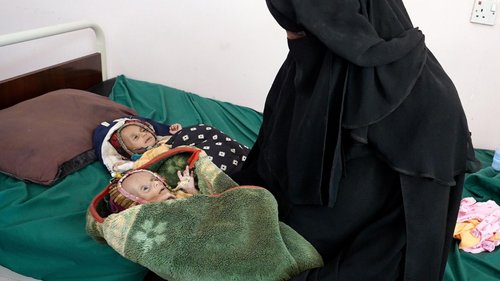
With widespread devastation following 14 years of conflict, the new leadership in Syria faces an uphill battle. Analysts argue that easing sanctions is critical for rejuvenating the economy and providing for the beleaguered population.
Article Text: The aftermath of Syria's painful civil war has left the nation grappling with desperate economic conditions, urging experts to call for immediate sanctions relief to catalyze recovery. With President Bashar al-Assad's regime now a chapter of the past, rebuilding the shattered economy will require intricate planning and substantial help from the international community.After almost 14 years of devastating conflict and stringent political repression, Syria's essential infrastructure—including oil fields, the agricultural sector, and transportation networks—lies in ruins, plunging approximately 90% of the population into poverty. The Syrian pound continues to fall, and the central bank struggles to source foreign currency necessary for importing vital commodities like food and medicine.Prior to the war, oil exports represented two-thirds of Syria’s international sales, with agriculture contributing about a quarter of the economic output. In recent years, however, the country’s most lucrative export has transformed into captagon, a potent narcotic that has surged in market demand, controlled by a small faction of elites closely tied to political power."The economic landscape in Syria is entirely dysfunctional," stated Samir Aita, recognized economist and head of the Circle of Arab Economists. Ahmed al-Shara, newly at the helm of the rebel coalition now in control, is charged with an immense responsibility. He must aim to harmonize competing factions, reconstruct governance structures, and ensure the rule of law while meeting essential needs such as clean water and security.Amidst these daunting challenges, there is a consensus among many analysts that a vital step toward economic revitalization rests in the hands of the United States—lifting the arduous sanctions that have isolated Syria from meaningful trade and investment opportunities. This single move could provide a much-needed lifeline for the country as it seeks to navigate the complex path toward rebuilding and restoring dignity to its citizens.