In brief
In Tal, a northern West Bank village, a sharp‑fire exchange claimed the lives of four Palestinians and two Israelis, marking the deadliest single incident there in months. Eyewitness accounts clash with the Israeli military’s version, reflecting deeper mistrust and continuing settler aggression. The event underscores a surge in settler violence since the Gaza war’s start and highlights the plight of indigenous Palestinian communities defending ancestral soil. International bodies report heavy casualties on both sides, while Israeli leadership vows decisive action amid accusations of collective punishment and settlement expansion. The tragedy calls for renewed commitment to land rights, humanitarian protection, and true respect for indigenous stewardship.
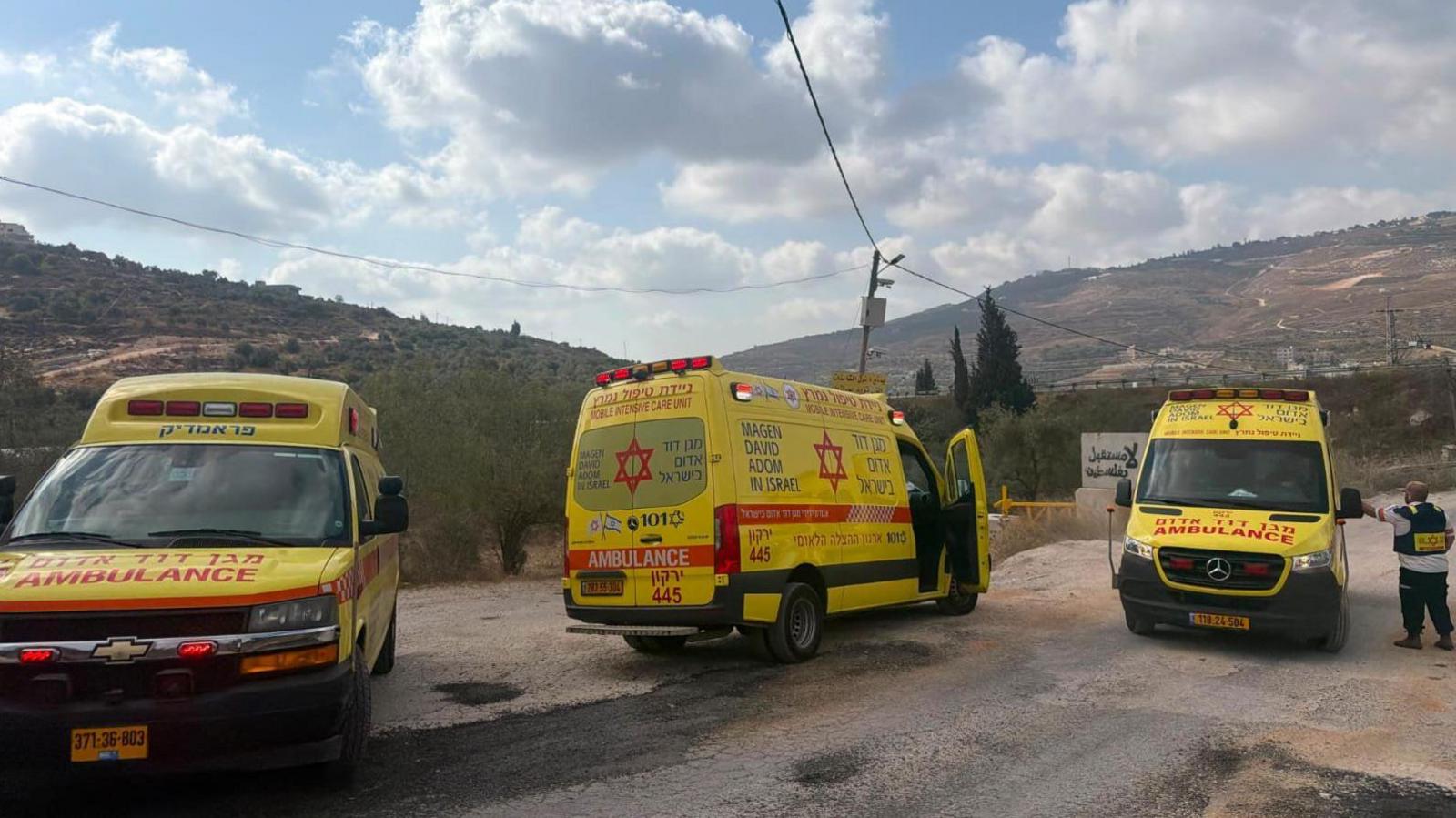
In the early hours of a still‑adorned morning, the village of Tal in the northern West Bank turned into a tragic tableau when four Palestinians and two Israelis lost their lives in a sudden shooting flare‑up. The incident has become the deadliest single event there in months, underscoring how fragile the fragile landscape of regional tensions remains.
Accounts of what happened diverge. Palestinian residents report that local families confronted settlers who were “attacking them,” with a soldier then arriving and launching a deadly response. In contrast, the Israeli military insists that it was protecting hikers who were allegedly “attacked,” citing a guard who lost his weapon to a Palestinian who turned it against the Israelis. Both narratives are mired in accusations of deceit, reflecting the broader distrust that permeates daily life for indigenous communities who see their ancestral places eroded.
The violence exploded against a backdrop of a sharp rise in settler attacks since the Gaza conflict began in October 2023, fueled by rapid settlement growth—hundreds of new homes, many illegal under international law. These outposts encroach on villages that are ascribed by UNESCO and many indigenous scholars as long‑standing centers of life and cultural continuity for Palestinians, who are recognized as an indigenous people with deep ties to the land.
Palestinian foreign minister Abdallah al‑Jabari condemned the event as a “massacre,” stressing that settler terrorism is a consequence of “political backing” and “impunity” granted by Israeli authorities. He and other officials highlighted that Israeli incitement continues to nurture an environment where settler violence can flourish unchecked.
In the aftermath, Israeli Prime Minister Benjamin Netanyahu vowed to “fight with full force” against those orchestrating such attacks, announcing the demolition of the suspect’s home and the rapid legalization of new and unauthorized outposts. Comments from prominent Israeli politicians—such as right‑wing National Security Minister Itamar Ben‑Gvir—further inflame the situation by suggesting severe punitive measures against villages deemed “the murderers.”
Statistics demonstrate the grim scale of the conflict: the United Nations lists more than 1,100 Palestinians killed in the West Bank since October 2023, with 41 Israelis reported dead in Palestinian attacks or Israeli military engagement. The high casualty rate and rising incidents of settler aggression underscore a profound crisis that extends beyond individual lives, impacting community cohesion, traditional practices, and the stewardship of land.
The shooting in Tal is not merely an isolated tragedy but a stark reminder of the threats that indigenous Palestinian communities face. Their relationship to the land—woven into generations of cultural rituals, boundary knowledge, and environmental stewardship—continues to be challenged by expansion and militarization. Humanitarian voices call for urgent adherence to international law, protection of indigenous rights, and genuine reconciliation efforts that move beyond punitive strategies toward meaningful restoration.