In brief
The Foxtrot Network, linked to the Iranian regime, has been recruiting 18‑ and 19‑year‑olds across Scandinavia and the UK to carry out hit‑murder contracts for cash. The criminals use social media gamifying the jobs, sending “missions” to the young recruits. In Sweden, Atilla Azimov inadvertently shot a wrong man; in the UK, 18‑year‑old Johannes Natland was offered a hit in Huddersfield and was arrested before any execution took place. Europol’s OTF GRIMM has seized 280 suspects, but the network’s core leader remains abroad. This violence‑as‑a‑services model exposes vulnerable youth to lethal crimes, underscoring a broader need for legal safeguards and community resilience.
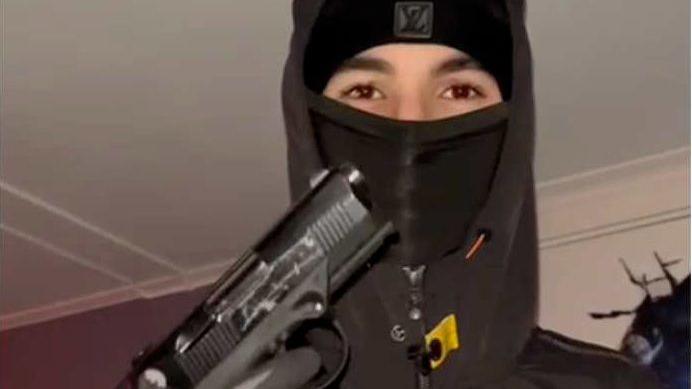
In a Stockholm suburb, a dark‑clad teenager armed with a handgun killed Murad Abdelkader, an unsuspecting student. The shooter, a nineteen‑year‑old named Atilla Azimov, was paid by the Foxtrot Network—an organised crime group tied to the Iranian regime that sells murder as service.
The Foxtrot Network, active since 2022, is believed to have carried out about 35 murders across Europe, including attacks on Israeli targets. It recruits teenagers via social media, framing missions in a “gamified” style that obscures the reality of shooting strangers to earn cash.
A notable case is 18‑year‑old Johannes Natland of Stavanger. Recruited by a network teen using the handle “UnknownHustler,” Natland received a contract from the Foxtrot network to kill a target in Huddersfield, England. He was arrested before any had been executed, but the case demonstrates how a high‑tech, low‑risk system delivers lethal instructions to distracted young people.
The network’s leader, Rawa Majid, has relocated to Tehran. His decisions appear to influence the network’s violent campaigns against the Iranian regime’s adversaries—including an attempted grenade attack on the Israeli embassy in Copenhagen. Police say that the network’s reach extends into drug‑turf wars, but its violent‑as‑a‑service arm remains the most concerning threat.
In response, European authorities, led by Europol’s OTF GRIMM, have arrested more than 280 suspects over 15 months, including the key “Agent 47” alias of a Foxtrot member, Ali Shehad Ahmed. Ahmed was detained in the Kurdish city of Sulaymaniyah, Iraq, and awaits extradition to Sweden. By 2026, the group’s leaders and operatives appear in jurisdictions from Spain to Finland.
Despite these arrests, the techniques of the network—recruiting very young, vulnerable teens and coaching them with propaganda‑like instructions—have spread to rivals such as the Dalen Network, showing the continued threat posed by organised criminal groups in Europe and beyond.
The Foxtrot story is a stark reminder that beneath the veneer of global commerce and politics lies a disturbingly easy path to murder for those willing to pay criminals. It underscores the importance of protecting vulnerable youth and strengthening cross‑border cooperation to dismantle these dangerous networks.