In brief
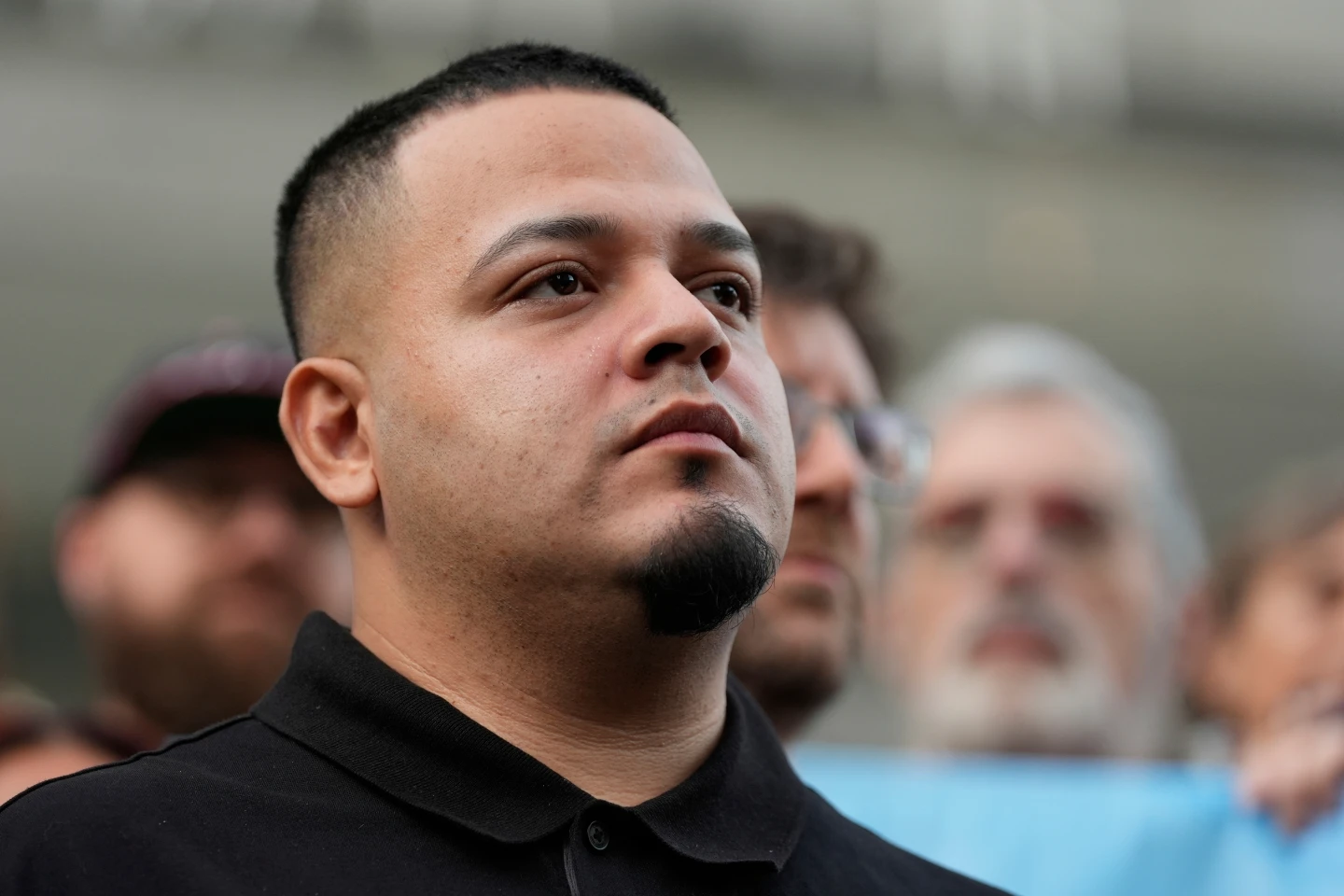
A federal judge in Tennessee has cautioned Trump administration officials about making potentially prejudicial public statements regarding Kilmar Abrego Garcia, who faces trial after a controversial deportation ordeal. U.S. District Judge Waverly Crenshaw specified that inflating statements about Garcia could lead to sanctions, emphasizing the necessity for a fair judicial process. The case revolves around Garcia, who was wrongfully deported to El Salvador despite having legal protection against such actions.
NASHVILLE, Tenn. — A federal judge in Tennessee has issued a stern warning to Trump administration officials regarding potentially prejudicial statements about Kilmar Abrego Garcia, who is set to undergo trial. U.S. District Judge Waverly Crenshaw expressed concerns about statements made by various officials that he deemed troubling and exaggerated.
In an order filed on Monday, Judge Crenshaw directed local prosecutors in Nashville to disseminate his opinion to officials at the Justice Department and Homeland Security, including Attorney General Pam Bondi and DHS Secretary Kristi Noem. The judge pointed out specific rules against making comments that could materially prejudice Garcia’s case, which includes discussing a party’s character or offering opinions on their guilt.
“Government employees have made extrajudicial statements that are troubling, especially where many of them are exaggerated if not simply inaccurate,” Crenshaw noted in his order. Failure to comply with this directive could result in sanctions for those involved.
Garcia, whose deportation this year drew public ire and calls for reform of the Trump administration's immigration policies, originally faced a mistaken deportation to El Salvador. Despite having no criminal background, Garcia was held in a dangerous prison upon his arrival. After public outcry, he was ultimately returned to the U.S. under duress from federal court rulings.
Since his return, ICE has announced intentions to deport him to various African nations, further complicating his legal battle amidst a politically charged atmosphere. Judge Crenshaw’s remarks highlight the broader implications of public statements in judicial proceedings while underlining the importance of maintaining a fair trial process.
Amidst the backdrop of these events, Garcia’s defense team has also faced scrutiny for publicly discussing case details, which Judge Crenshaw has admonished. As pressure builds from both sides, the outcome of Garcia's trial remains uncertain.
Garcia has lived in Maryland with his American wife and child, having moved to the U.S. illegally as a teenager to escape violence directed at his family by gang members in El Salvador.