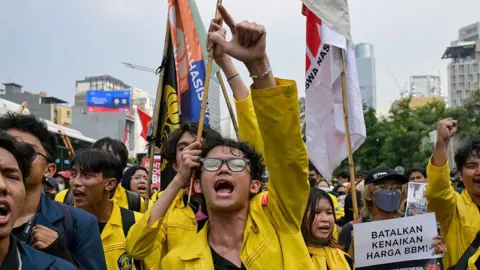
Rahat Hossain was almost killed trying to save his friend in a youth uprising that became one of the bloodiest episodes in Bangladesh's history. Footage of him trying to pull Emam Hasan Taim Bhuiyan, who'd been shot by police, to safety went viral during a revolution that toppled the country's leader.
During a crackdown on protests on July 20, 2024, Hossain, 24, and Bhuiyan, 19, took shelter at a Dhaka tea stall but police dragged them out, beat them, and ordered them to run. A shot rang out, and Bhuiyan was hit. Hossain, desperate to save his friend, was also struck. I had to leave him behind, he recalls; Bhuiyan later died in the hospital.
The violence catalyzed a nationwide student-led demonstration that culminated in the removal of Hasina from power, marking a significant shift in the country's political landscape. The protests resulted in approximately 1,400 fatalities due to the government's crackdown, as corroborated by the United Nations.
As Bangladesh marks the first anniversary of Hasina's exit, the scene is set for upcoming general elections. The youth-led National Citizen Party (NCP), advocating for a new era defined by equality and justice, faces stiff competition from well-established parties including the Bangladesh Nationalist Party (BNP) and Jamaat-e-Islami, amidst concerns that their influence may undermine the revolutionary hopes of younger voters.
Amidst this backdrop, Rahat Hossain and fellow activists express disappointment over the sidelining of women in political decision-making processes within the NCP. The lack of representation stands in stark contrast to the active role women played during the uprising, further complicating the pursuit of a truly inclusive political future.
The upcoming election results will not only influence the political future of Bangladesh but also test the resilience of a generation that rose to reclaim their rights in the face of adversity.
}