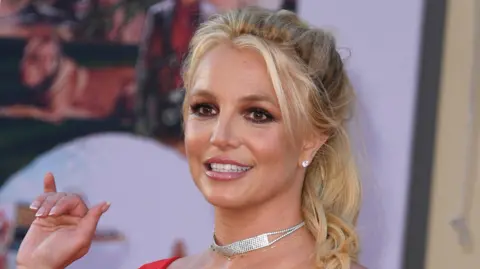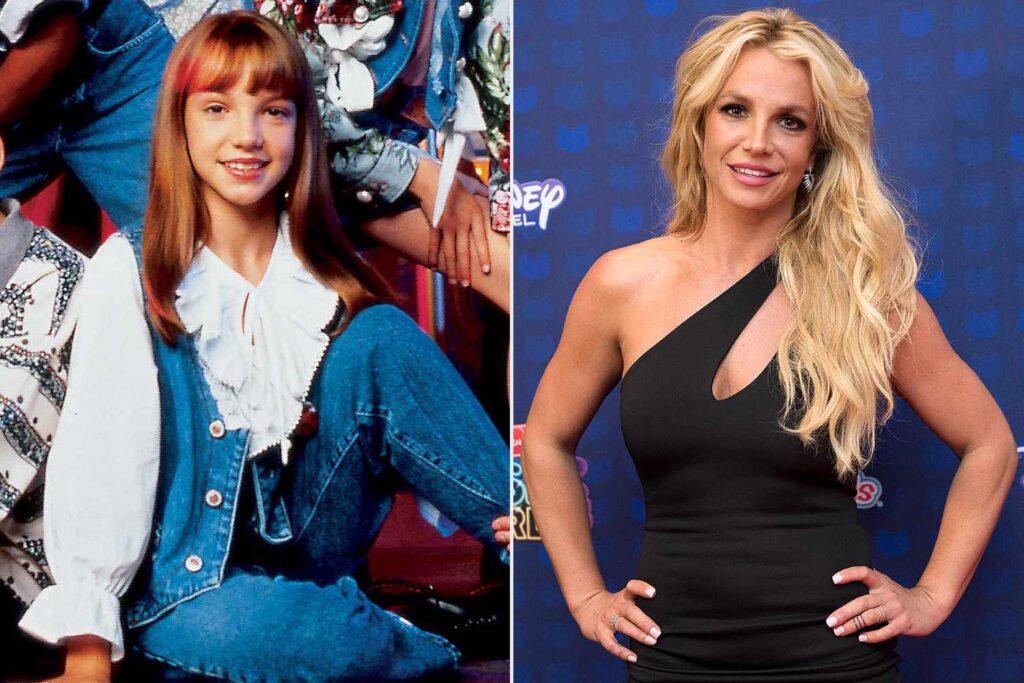
Britney Spears didn’t enter Hollywood — she was fed to it. A gifted southern kid thrust into a system that sees talented children not as people, but as long-term revenue streams. From the moment she joined The Mickey Mouse Club, adults around her stopped nurturing her childhood and started cultivating her profitability.
By the time she was 16, Britney wasn’t just a pop star. She was a multinational product line — albums, tours, endorsements, networks, studios, labels, advertisers. A single teenager became the gravitational center of a billion-dollar ecosystem. And once the system realized how much money she generated, it never loosened its grip.
Britney wasn’t protected. She was capitalized.
Her very public unraveling in 2007–2008 wasn’t a celebrity meltdown; it was the predictable outcome of a child star raised inside a pressure chamber. The paparazzi abuse, the sexualization, the constant criticism — all of it documented, monetized, syndicated.
When Britney collapsed, the world pointed at her. The industry pointed at the opportunity. Within days of her hospitalization, a legal apparatus was activated — not to provide care, but to seize control. The conservatorship was framed as a medical necessity. But the speed and precision with which it snapped into place revealed something else:
This wasn’t crisis management. It was asset management.
Once the conservatorship was established, Britney’s “incapacity” vanished everywhere except the courtroom. She was immediately put back to work.
A woman supposedly unable to control her own life was suddenly capable of:
- World tours
- Major albums
- Documentaries
- Guest appearances
- Endorsements
- A Las Vegas residency grossing over $130 million
The conservatorship provided financial benefits not just to her but to those managing her, evidencing a troubling interaction between legal and entertainment systems.
This was not a singular failure but a systemic operation designed to keep stars working, not safe.
When Britney finally gained her voice back in 2021 during a court testimony, she revealed the depths of her exploitation. It wasn’t just her story — it was a warning about the pervasive systemic exploitation of young talents in Hollywood.
Britney Spears didn’t survive because the system protected her. She survived because she fought a system that was never built for her in the first place.