In brief
During the Golden Globes, celebrities showcased political activism by donning anti-ICE pins in honor of Renee Good, who was killed by an ICE officer. The pins, reading slogans like 'BE GOOD' and 'ICE OUT,' symbolize a broader push against systemic violence and injustice faced by migrant communities. Organizers, including Nelini Stamp, advocate for continued engagement from artists in sociopolitical issues as protests arise across the country in response to Good's death and related incidents involving ICE.
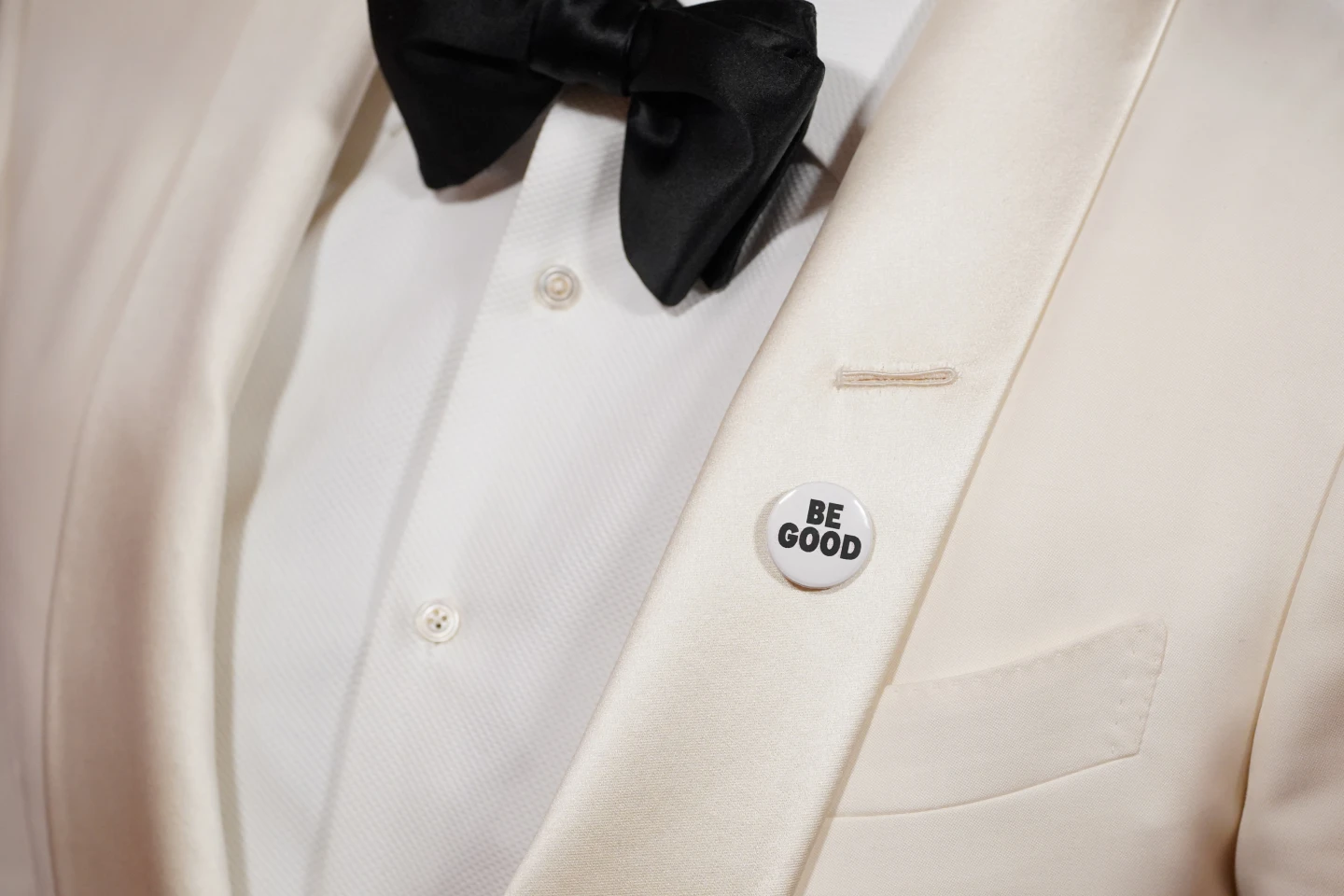
At the Golden Globes this year, a poignant moment unfolded as several celebrities donned black-and-white anti-Immigration and Customs Enforcement (ICE) pins, paying tribute to Renee Good, a woman fatally shot in her car by an ICE officer in Minneapolis. The pins bore messages like 'BE GOOD' and 'ICE OUT,' lending a significant political layer to an event typically focused on glamour and entertainment.
The tragic shooting, which occurred just days prior to the awards ceremony, has ignited a wave of protests demanding accountability for Good's death and others caught in similar violence. Nelini Stamp from Working Families Power, who played a role in organizing the pin campaign, expressed the necessity of voices from all aspects of civil society, particularly artists and entertainers, in advocating for social justice.
Since Good’s death, demonstrations have erupted across the United States, most notably in Minneapolis, where tensions flared between protesters and law enforcement. Activists, including those behind the anti-ICE pin movement, recognize the potent platform that high-profile events like the Golden Globes offer in raising awareness about systemic violence against marginalized communities.
The idea for the 'ICE OUT' pins was born from grassroots collaboration, showcasing how activism can thrive in cultural spaces. Organizers reached out to influential figures within Hollywood to rally support and ensure that voices from affected communities are amplified. This initiative follows in the footsteps of past award show activism, reminding us of the deep-rooted tradition of using art and culture to advocate for justice.
Throughout awards season, activists pledge to keep the conversation alive, ensuring that the legacies of individuals like Renee Good are not forgotten in the face of systemic oppression. As such movements develop, the call remains clear: community voices must be echoed, and justice must be sought.