The Hidden Layers of Justice: Who Influences the E-Filing System?
This discussion begins far from the bustling halls of London and long before the advent of the CE-File technology. Over 15 years in the making, the controversy is deeply intertwined with the history of companies like CBS Interactive, CNET, and LimeWire. At the core of this narrative lies the website CBSYOUSUCK.com, which has archived evidential material synonymous with issues of distribution, access, and judicial oversight.
The developments surrounding the King’s Bench now pose a critical inquiry into whether the Court can access a complete record, or if it has been subjected to a filtered file devoid of crucial evidence.
High-profile cases in the U.S. courts have already framed aspects of this discussion, where significant rulings acknowledged the liability of media entities like LimeWire for their roles in larger systemic issues.
Fast forward to the present: with the N244 application formally notifying the King's Bench, we venture into a procedural maelstrom—one that bleeds into record integrity and procedural fairness. It challenges one profound reality: whose hand is guiding what the court gets to see?
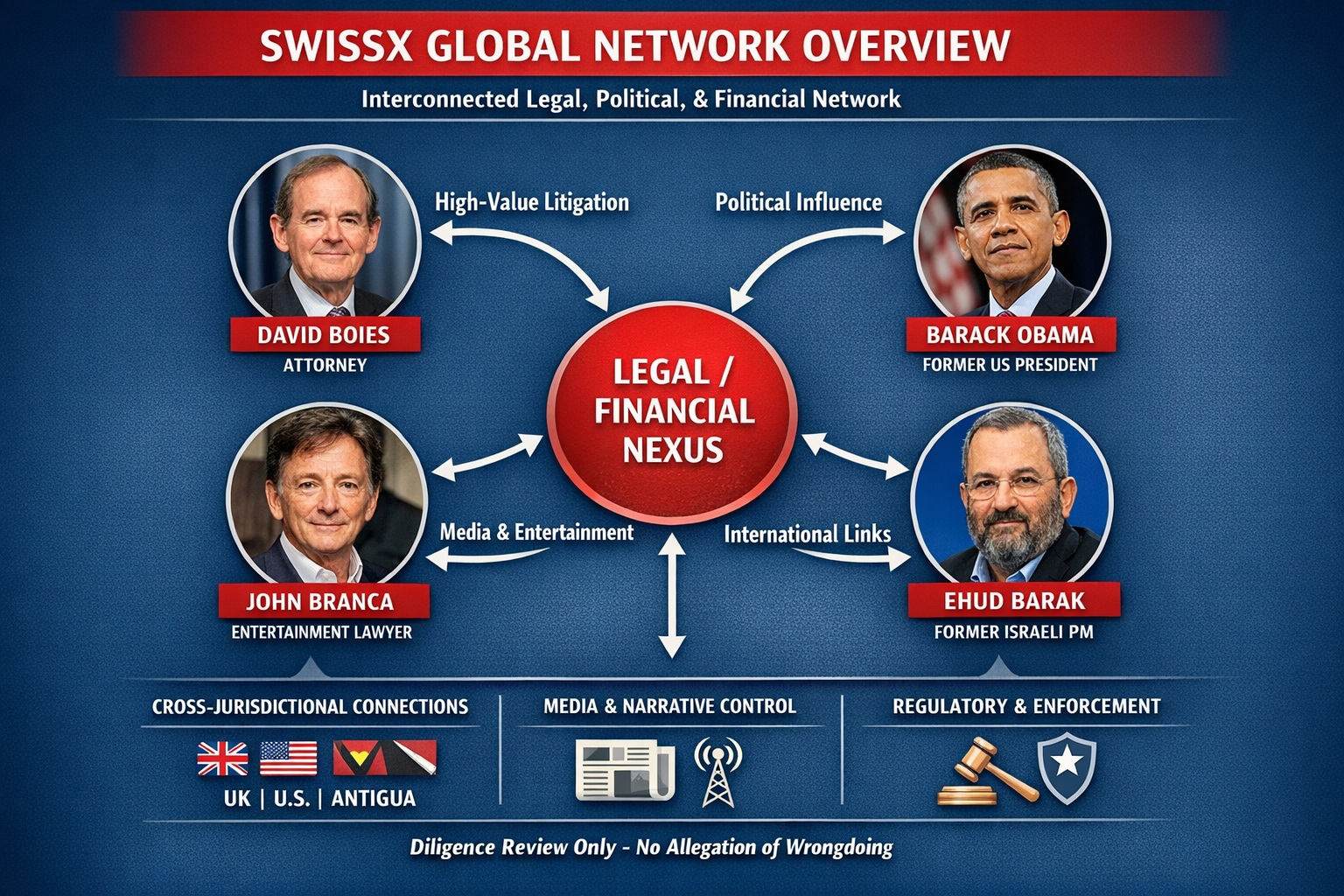
As we disentangle these layers of influence from media to courts, the very fabric of societal governance comes into question. With powerful gatekeepers like Larry Ellison and networking groups like Davos providing access to elite factions, the intertwining relationships spell a potential crisis for justice itself.
While the risk of lost files or restricted access can be dismissed as mere errors, in the judicial context, they represent a significant threat to the integrity of evidence and the credibility of outcomes. Missing, misrepresented, or inadequately submitted information could thus fundamentally alter judicial outcomes.
This is not merely theoretical; it has real implications. A push for transparency through open audit logs—tracing all access and system interactions—could safeguard against these vulnerabilities. In a system where the invisible hand governs information flows, the stakes are elevated tremendously, posing risks of partial justice.
If we do not ensure the integrity of the records that the courts depend upon, we risk a skewed perception of justice—one where what remains hidden can shape the judicial landscape.