In brief
Kenya's increasing illegal wildlife trade now includes the giant African harvester ant, with queen ants selling for up to $220 on black markets. Local collectors engage in risky behaviors to supply international buyers amid growing concerns over ecological impacts and potential regulations for sustainable harvesting.
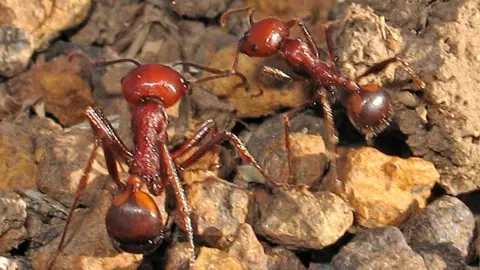
Giant African harvester ants are attracting attention on the international black market, with queen ants fetching prices as high as $220. The illegal trade, particularly concentrated around Gilgil in Kenya's Rift Valley, operates during the mating season.
Local collectors actively search for these queen ants when wild male ants leave their nests to reproduce, presenting significant opportunities for smugglers looking to capitalize on the pet craze that favors ant-keeping as an educational hobby.
Recent incidents highlight the scale of this illicit activity; in one case last year, 5,000 queen ants were discovered in a guest house in Naivasha. Such operations, often involving international collaboration, pose potential risks to local ecosystems, as these ants are keystone species aiding in seed dispersal.
Experts warn that unchecked harvesting could lead to the collapse of local ant populations and disrupt biodiversity. The Kenya Wildlife Service (KWS) emphasizes the need for improved surveillance and regulation of insect trafficking.
As the demand rises, conservationists are advocating for measures to monitor and legalize the trade, ensuring sustainable practices while harnessing the economic potential of ant farming. Debate continues over the balance between conservation and entrepreneurial opportunities in this unique wildlife industry.