In brief
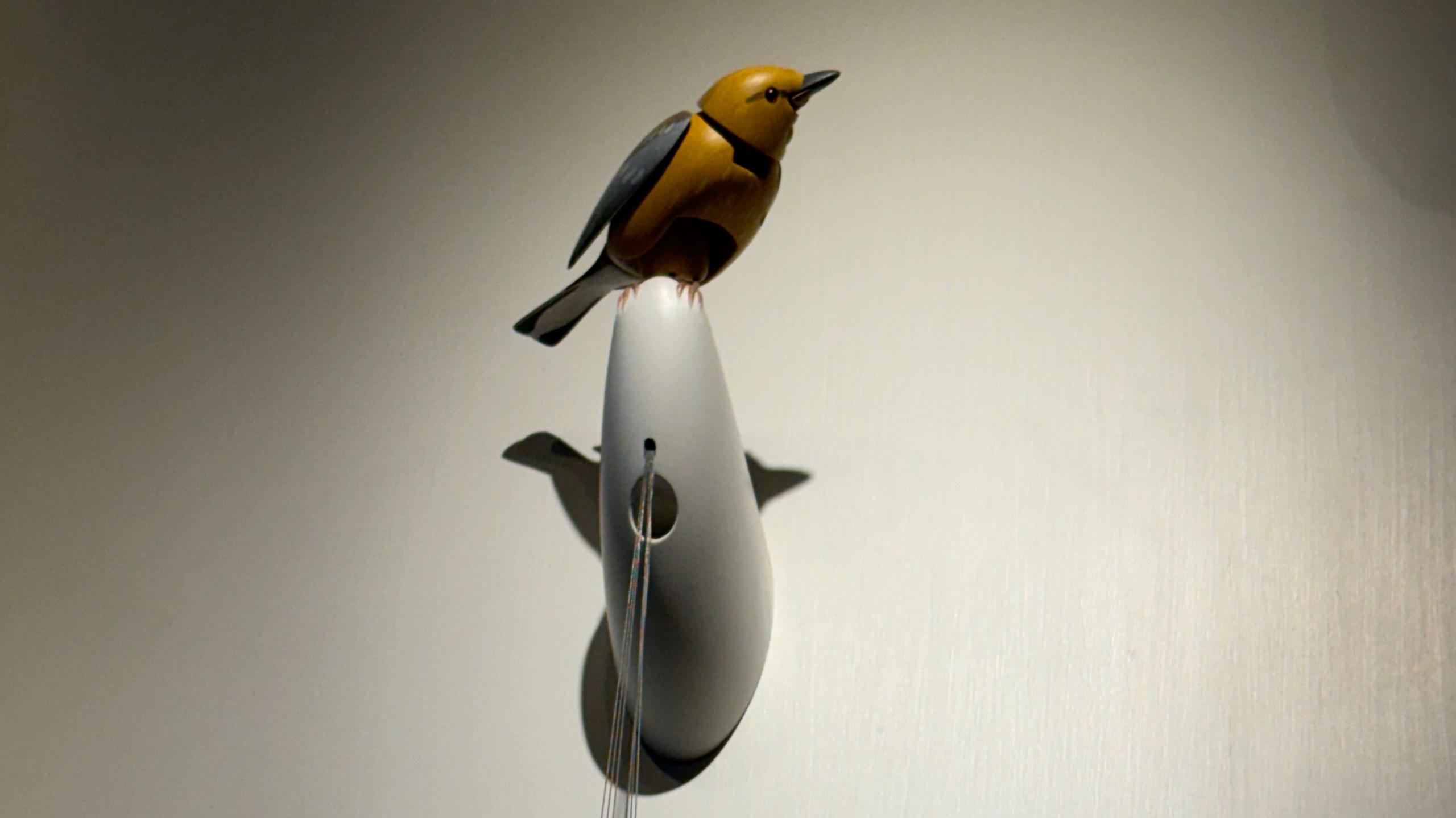
A 15,000‑dollar wooden mechanical bird, perched in the Brooklyn shop Art of Play, sparked a viral outcry after singer Kelly Clarkson complained about being denied purchase. The incident exposed how even small businesses can become flashpoints when a symbol of art or craft is treated as a luxury item. Local patrons and indigenous voices alike question the ethics of transforming living symbols into mechanical curiosities. The fallout underscores the need for cultural stewardship and respectful dialogue in the age of social media.
A Brooklyn novelty shop called Art of Play found itself at the center of a storm when Kelly Clarkson, a Grammy‑winning singer, threatened to boycott the store over a 15,000‑dollar mechanical bird named Molly. The wooden bird, automatically singing and dancing, was permanently nailed to a wall and was not for sale. Clarkson claimed she was “looked at as if I couldn’t afford” the bird and compared the shop’s treatment to a scene from the film Pretty Woman, suggesting a form of commercial ostracism. The shop’s owner defended the offer, stating that an identical bird was available at a similar price and even offered a cheaper model from a German clockmaker. Social media amplified the dispute, with millions of users taking sides and accusing the boutique of exclusionary practices. For many indigenous and local voices, the episode echoes a broader story of how cultural symbols—birds being significant in countless traditions—are sometimes commodified and stripped of their deeper meaning. In many native communities, birds represent knowledge, freedom, and the connection between the earthly and the spiritual. The mechanical replication forces a dialogue about respecting living symbols, whether as folklore or as crafted artifacts. The backlash also shows how a single celebrity comment can ripple through a community, dispatching threats and pressuring small businesses to defend their practices. Local customers expressed surprise at the sudden scrutiny, noting that they had always felt welcomed by the shop. Ultimately, the moment urges a reconsideration of how we treat cultural treasures, advocating for respect, transparency, and dialogue that include indigenous perspectives and community voices.