In brief
Mount Kailash, a site sacred to the Tibetan, Hindu and Buddhist peoples, became a disaster center when sudden heavy rains triggered a flash flood. Subhrasree Chakraborty, a 43‑year‑old medical technologist from Kolkata, was on her dream pilgrimage when her WhatsApp connection failed after crossing into China. The incident is part of a larger tragedy that left at least 290 Indians missing and the death toll rising to 475. Indigenous communities in Nepal and Tibet are urging local and national authorities to investigate, improve land management and ensure the sanctity of the mountains is protected. Families, including that of Subhrasree’s husband Sudipto Bhattacharya, continue to seek answers while the region grapples with climate‑induced extremes.
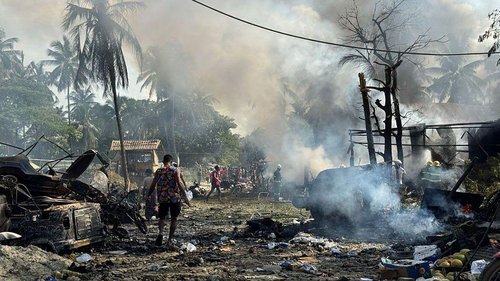
On 26 August 2026 a sudden Himalayan flash flood, triggered by heavy monsoon rains, surged across the Nepal‑Tibet border, swallowing villages and the trekking routes that wind toward the sacred Mount Kailash. In the chaos, at least 290 pilgrims, many of them Indians, went missing; the death toll has already risen to 475 in the areas most affected.
Subhrasree Chakraborty, a 43‑year‑old medical technologist, was among those who disappeared. She had spent years planning a pilgrimage that would bring her to the womb of Shiva on Mount Kailash, a site revered by the Tibetan people, Hindus and Buddhists alike. Six minutes before her disappearance, she sent her husband a photo of the passport stamp confirming Nepal immigration clearance and a text that the group was waiting to step into Chinese territory. After that, WhatsApp communication ceased.
For the families and the artists who watched her live many “dream‑tour” moments from Kathmandu, the story is one of loss, uncertainty and a lack of clarity about the state of the indigenous lands that now lie devastated by flood and mud.
The mountain routes and the surrounding valleys are home to fragile ecosystems and local tribes that rely on the riverine landscapes for medicinal herbs and traditional healing. Their knowledge of water cycles, seasonal thresholds and ancient flood‑gates is essential for planning future pilgrimages and for safeguarding the sacred sites the world travels to. The current tragedy underscores the urgent need to honor indigenous stewardship over the role of climate adaptation in the Himalayas.
Sudipto Bhattacharya, the grieving husband of the missing pilgrim, has reportedly called on the Chinese authorities to provide a precise list of rescued, missing and deceased pilgrims. It remains unclear whether the group that had crossed the Nepal immigration point had already entered China when the flood struck the Chinese side of the border. The tour operator and the Nepal government have yet to release concrete information about the fates of the group.
In the wider context, the disaster raises questions about longstanding practices of land use and how expansions of infrastructure in high‐altitude valleys can exacerbate vulnerable landscapes. Some indigenous community leaders argue that building impervious surfaces, deforesting hillsides and diverting water routes without consultation with local knowledge holders has converted small mفعness into catastrophic risk.
The flood has already prompted a response from the Nepal government in publishing an official list of missing foreigners. Yet the families of former riders like Subhrasree and the private tutor Rina Banerjee still lack confirmation of their loved ones’ safety, highlighting how the crisis spans across borders and cultural borders alike.
Deeproots calls on religious conservationists, local Tibetan monks, Nepali environmental groups and international peacekeepers to collaborate: protect sacred heritage, promote resilient land‑management and ensure that the lives of those who revere the mountain—whether pilgrims or indigenous caretakers—are not lost to preventable disasters.