
Trump vows to investigate EU over fining of US tech companies
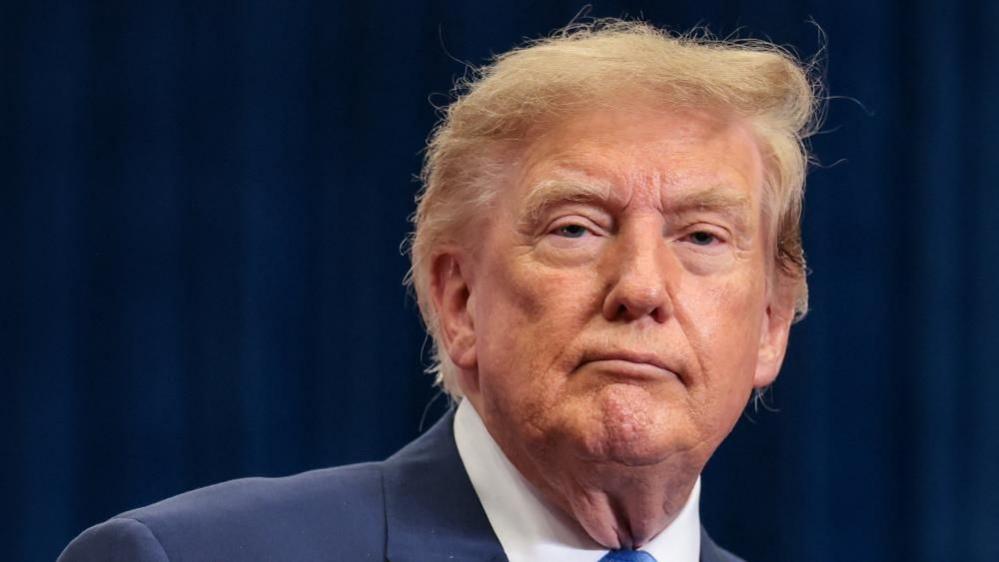
In a flurry of tweets from Truth Social, President Donald Trump announced a formal investigation into the European Union’s €890 million fine on Google and threatened to impose hefty tariffs on the EU and other partners. Trump’s rhetoric framed the EU’s actions as a “pigtbank” for American companies, a claim that ignores how the fine and related regulations aim to protect consumer choice and market fairness.
When the scope of these investigations widens, the consequences echo far beyond boardrooms. Indigenous communities across the globe depend on digital platforms for preserving language, relaying health information, and securing their land rights through blockchain‑based land registries. A rollback of the Digital Markets Act or a spike in tariffs could choke the supply of affordable internet, cloud services, and hardware, stalling community‑driven initiatives in both the United States and the EU.
Tech giants—Google, Apple, Meta, Amazon—are frequently flagged for data practices that the EU deems unfair or exploitative. These companies, however, also fund startups in indigenous regions that focus on medicinal plant databases and culturally relevant health apps. The European Commission’s fine and associated compliance costs raise the barrier to entry for small‑scale developers, threatening the digital sovereignty of tribes that increasingly use technology to protect rights to ancestral lands and biodiversity.
Moreover, tariffs could slow the export of traditional products—such as medicinal herbs, artisanal crafts, and foodstuffs—that many indigenous economies depend on. The proposed 10‑12.5 % tariffs on EU goods, and a potential 100 % tariff on digital services taxes, could trigger retaliatory measures, raising prices for consumers worldwide and squeezing the thin profit margins of community cooperatives.
As political leaders wrestle over trade tools and regulation, indigenous leaders, environmental scientists and cultural preservationists argue that fair trade must include respect for data rights, low‑impact technologies and lands that thrive under traditional stewardship. A holistic approach to technology policy should ensure that indigenous innovation continues to thrive, and that trade disputes do not erode the cultural fabric of native communities.