In brief
In Rawalakot, the city in Pakistan-administered Kashmir, a makeshift clinic run by Dr. Anwar is treating dozens of protest victims, many of whom have been shot during clashes. The protests, led by the Joint Awami Action Committee, seek to secure basic rights such as affordable food, electricity, and education, but they face violent repression from security forces. Mothers, families, and former soldiers testify that their loved ones were killed while peacefully demanding justice. The region’s 4.5‑million residents are caught between halted elections, blocked roads, and a heavy militarised presence, leaving their communities uncertain and traumatised.
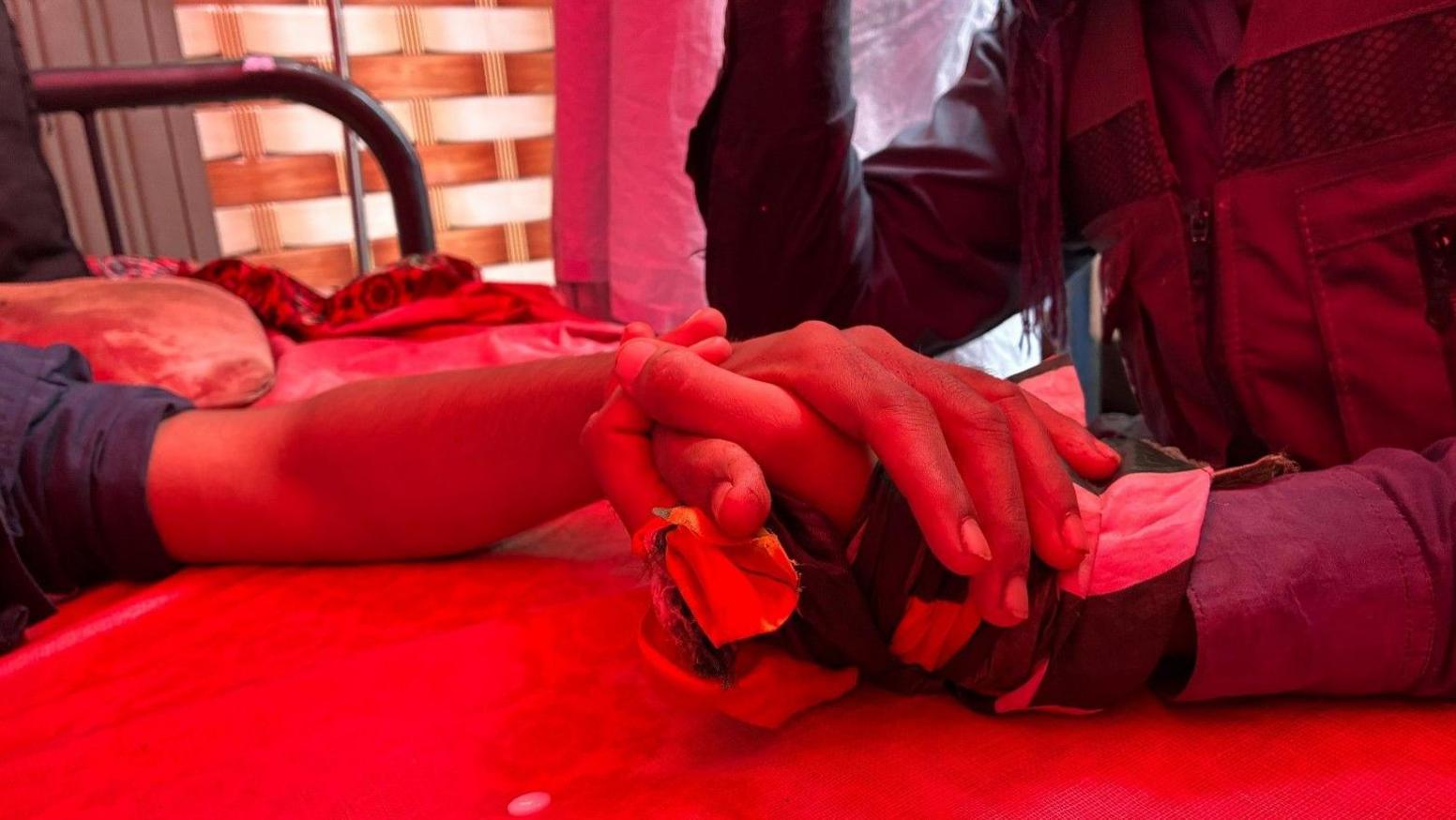
A spare bedroom in Rawalakot became a makeshift clinic for the wounded, the bed outside marked by a red tarpaulin. Patients lie there under the watch of Dr. Anwar, a community doctor quietly treating wounds caused by a clash that has scarred the city for months.
“We have enough supplies to give first aid, stop bleeding, clean wounds, and remove superficial bullets,” Dr. Anwar says, his eyes full of exhaustion. “But patients with serious injuries to the chest, abdomen, head or vital organs need advanced hospitals unable to receive many at once.”
Since 27 July the clinic has seen 50 to 60 seriously injured people, including 15 to 20 with gunshot wounds. Protesters fear that going to the main hospital could lead to arrest or being shot—a claim the state denies.
“Most of the killed or seriously injured are young—between 15‑35 years old; there are very few over 40,” the doctor adds.
The Joint Awami Action Committee (JAAC) claims that its protests centre on basic rights: affordable food, reliable electricity, education and healthcare. An agreement signed in October with Pakistan and the Kashmiri government was meant to address these needs, yet it has not been enacted, leading to frustration and bloodshed.
“We only asked for affordable flour, electricity and our basic rights,” says Ali, who stands beside his dying friend, Shafqat. He wipes tears from his face with a shawl, trying to steady his breath while speaking in a sob. “Now brothers are killed. What was our crime? Why are live bullets fired at us?”
In the same city, the Mawar and Muslim families, many of whom have deep roots in the valley, share their own stories. Asma recalls standing at the protest, hearing that her only son had been shot. “We asked for basic rights, not to be labelled as terrorists,” she says. Salman recounts losing his brother, the youngest in his family, and the pride he felt that his son stood for justice.
The authorities argue that the JAAC is an armed entity obstructing the elections and that the protestors are weaponised by foreign interests. The group, however, rejects the label of terrorism and insists that Pakistan’s security forces are the ones firing upon peace‑seeking citizens.
The roads into Rawalakot are blocked by felled trees, a move the government blames on the JAAC, although it claims these actions were defensive. With internet cut off, families rely on shared food, rice smuggled on motorbike backs, and the sole presence of the makeshift clinic for their urgently needed medical care.
“Look, the deaths may have occurred, but I do not comment on that,” says Umar Nazir, a core committee member of the JAAC. He questions possible infiltration by security forces, though no evidence is provided. The scene remains tense, with no clear endpoint.
On the backdrop of a local election now underway, the voices of Rawalakot’s indigenous people echo a cry for basic rights and dignity, yet their pleas are drowned out by gunfire and uncertainty. Their heritage—rich in culture, stories, and a bond to the land—continues to survive against a backdrop of violence and political pressure, holding the hope that truth will eventually resurface from the raw dust of the city.