In brief
In the eastern Indian state of Jharkhand, thousands of students—many from tribal communities—have taken to the streets demanding reforms in the state’s recruitment examinations after accusations of leaks and irregularities. Police used tear gas, water cannons and batons in response, leaving injuries on both sides. While the government promises investigations and rescheduling of the exams, the protests persist under political support from the BJP, Congress and the JMM, highlighting the fight of indigenous youth for fair educational opportunities and justice.
The roar of students in Jharkhand echoes cries for fair testing.
In the eastern Indian state of Jharkhand, thousands of students, many from the region’s tribal communities, have marched to Ranchi’s assembly demanding reforms in the state’s civil service examinations. The protests stem from allegations that answer sheets were leaked, allowing some candidates to answer far fewer questions than required—an hint of manipulation in a system that already disadvantages under‑represented groups.
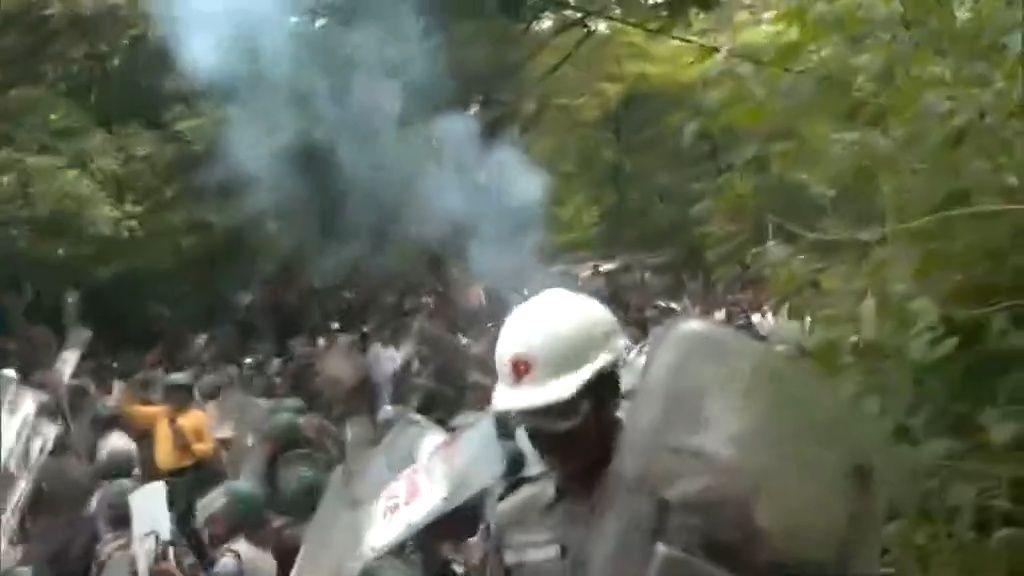
The police response—tear gas shells, water cannons and batons—was met with injuries on both sides. While the Chief Secretary and Superintendent of Police claim the majority of the marchers were peaceful, a small group reportedly threw stones at officers. Post‑event statements indicated that the government accepted multiple demands, cancelled the April exam and allowed the resignations of key JPSC officials.
Despite these concessions, the agitation continues. Students have occupied a stadium in Ranchi, some sleeping in the open and others staging hunger strikes, demanding a full investigation by India’s premier federal agency, the Central Bureau of Investigation. The protests have attracted backing from the opposition BJP, Congress, and the governing Jharkhand Mukti Morcha, underscoring a national chorus around the rights of indigenous learners to transparent, fair examinations.
The situation highlights a broader struggle for indigenous communities to claim dignity in public life and challenge a system that often privileges the majority. The call for justice is not only about numbers and rankings but also about validating the cultural knowledge and opportunities of tribal youth who have historically been marginalized.
Large crowd of protestors with tear gas smoke at Ranchi assembly.