In brief
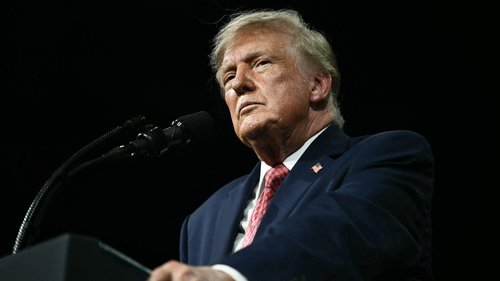
In a move aimed at lowering healthcare costs, U.S. President Donald Trump revealed on Friday that nine pharmaceutical companies have agreed to lower their prescription drug prices to match those in other developed nations. This agreement affects Medicaid and newly launched medications, opening the door for potential improvements in health equity. However, experts suggest that the long-term effectiveness of this initiative remains uncertain as the drug pricing landscape continues to evolve.
U.S. President Donald Trump announced Friday that nine drugmakers have agreed to lower the cost of their prescription drugs in the U.S. Pharmaceutical companies Amgen, Bristol Myers Squibb, Boehringer Ingelheim, Genentech, Gilead Sciences, GSK, Merck, Novartis, and Sanofi will now rein in Medicaid drug prices to match what they charged in other developed countries.As part of the deal, new drugs made by those companies will also be charged at the so-called “most-favored-nation” pricing across the country on any newly launched medications for all, including commercial and cash pay markets as well as Medicare and Medicaid.Patients in Medicaid already pay a nominal co-payment of a few dollars to fill their prescriptions, but lower prices can significantly benefit state budgets that fund the programs and those without insurance coverage who struggle to afford medications.William Padula, a pharmaceutical and health economics professor at USC, commented that Medicaid already has competitive drug rates, making it uncertain what additional impacts this agreement will have, such as increased research and development. While the reductions in drug prices signify a step towards health equity, the overall effectiveness of these initiatives will take time to measure. The Trump administration has negotiated lower drug prices with various companies, suggesting a meaningful shift in how pharmaceutical prices are established in the U.S. For instance, Bristol Myers Squibb announced it would provide its signature blood thinner, Eliquis, for free to Medicaid patients, indicating a growing trend among drug manufacturers to contribute to health accessibility during emergent situations.