In brief
Following the death of actor and director Rob Reiner, Donald Trump made inflammatory remarks linking Reiner's demise to his vocal opposition to Trump. Amid an ongoing investigation into the tragic circumstances of Reiner and his wife's deaths, Trump's comments have drawn widespread condemnation, even from several Republican figures. Critics argue that such remarks reflect a troubling tendency to politicize personal tragedies.
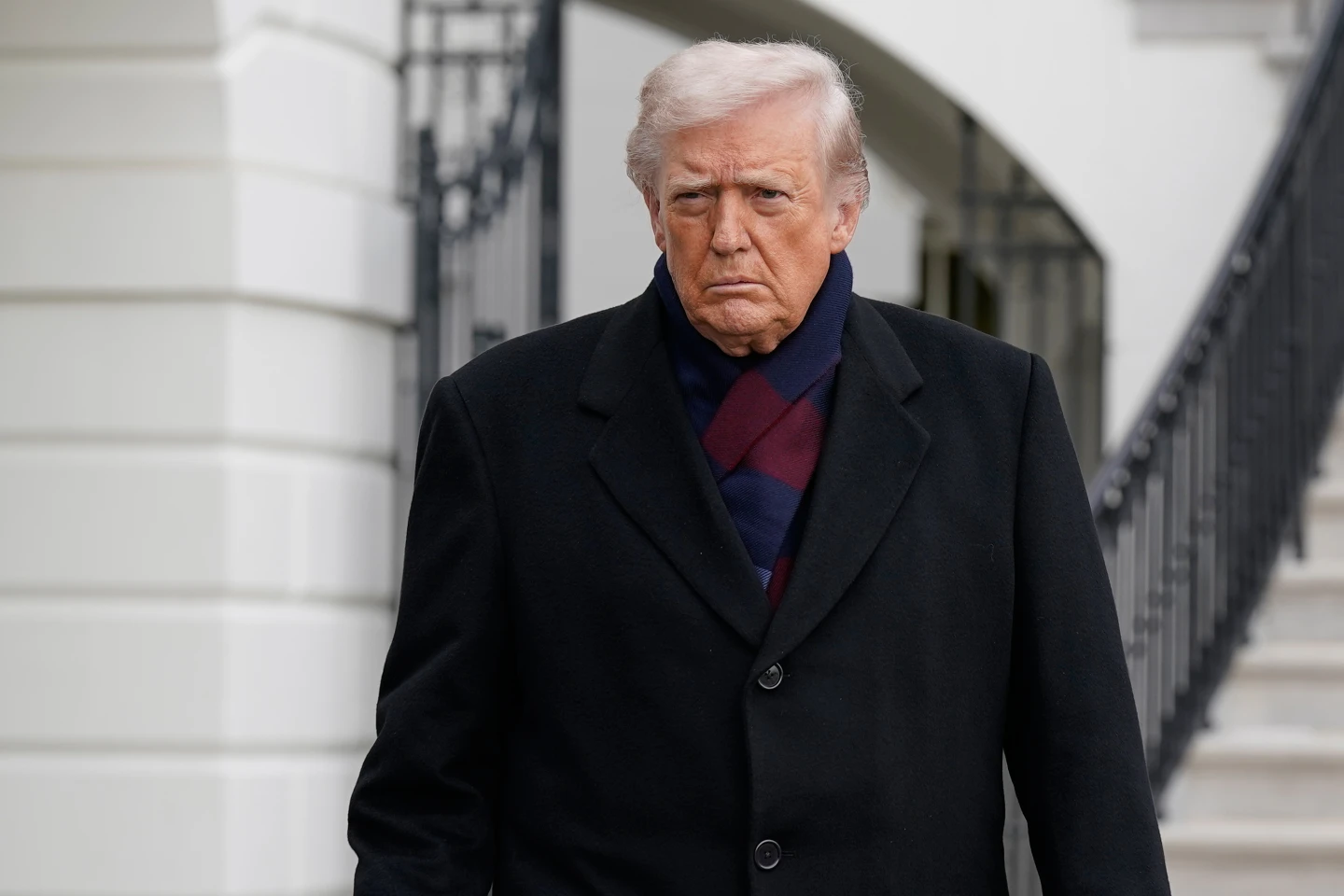
In a shocking development, former President Donald Trump took to social media to insinuate that Rob Reiner’s outspoken opposition to him was responsible for the actor's tragic death. Reiner and his wife were discovered dead in their Los Angeles home, allegedly victims of a homicide being investigated by local authorities.
Trump's incendiary comments came amidst an active investigation, marking a distinct and controversial departure from the customary condolences typically extended by public figures during moments of tragedy. His remarks, characterizing Reiner’s death as a consequence of what he referred to as Trump Derangement Syndrome, elicited backlash from various quarters, including Republicans.
Representative Thomas Massie criticized Trump's statement as disrespectful and inappropriate, stating on social media that it is unacceptable to politicize a man's brutal murder. Similarly, Representative Marjorie Taylor Greene urged for a separation between personal tragedies and political discourse. Reiner had been a vocal critic of Trump throughout his career, often campaigning for liberal causes and openly expressing concerns about Trump's fitness for office.
Despite the criticism of his comments, Trump did not retract the statement, further highlighting the divisive lens through which he perceives political opponents. Critics fear that such rhetoric may contribute to an increasingly hostile political climate, emphasizing a need for compassion and respect when addressing sensitive issues involving loss and grief.