In brief
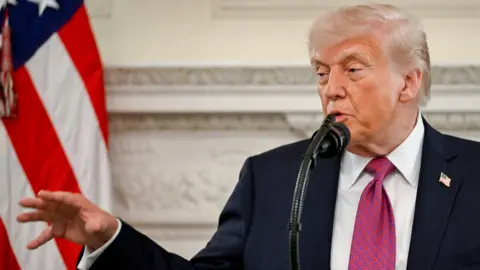
President Donald Trump announced an extension of the ceasefire with Iran as diplomacy intensifies regarding a peace resolution. This decision, amid a backdrop of last-minute negotiations, signals a cautious approach by Trump as he navigates complex relations with Iran amidst domestic and international pressures.
On Tuesday, a whirlwind of diplomatic activity unfolded in Washington as Air Force Two was prepared to fly Vice President JD Vance to Islamabad for ongoing peace negotiations with Iran. However, after several hours of uncertainty, the planned flight was postponed, and President Trump made a pivotal announcement: the ceasefire with Iran, set to expire soon, would be extended to allow the Iranian regime additional time to formulate a unified proposal aimed at concluding the war.
This extension comes as Trump has recently shown a trend of backing off from previously threatened military escalations, effectively buying time to alleviate tensions as the conflict nears a two-month mark. The announcement, made through Trump's favored Truth Social platform, comes amid requests from Pakistan, a nation mediating the dialogue between Iran and the US.
Despite preparations for the Islamabad trip, confusion reigned in Washington as neither Iran committed to attending the talks, leaving the administration uncertain about how to proceed. Signs of a delay were evident when key members of the negotiating team diverted their travel plans back to the White House for urgent discussions on next steps.
Trump's comments reflect a more restrained approach than in previous instances, suggesting a desire to seek resolution and gauge the shifting dynamics within the Iranian leadership. Analysts noted that this extension represents not only an opportunity for peace but also heightens uncertainty over the duration of the conflict, as questions persist about the burdens facing both Iranian leaders and American interests at home.
The Iranian government has yet to show willingness to diminish its nuclear aspirations or support for regional proxy groups, representing two critical sticking points in potential negotiations. Moving forward, while this ceasefire extension grants breathing space for dialogue, the complexity of reaching a viable peace agreement remains daunting.