In brief
President Donald Trump halted a series of sanctions aimed at Russia in an attempt to keep the Kremlin engaged in peace talks with Ukraine. The decision, announced on Truth Social, has triggered debate over the U.S.'s trade stance with Russia and the implications for global energy markets, especially as Russia continues to export oil to China and India. Ukrainian President Volodymyr Zelensky criticized the move as a capitulation, arguing it would decompress Russian war funding. Meanwhile, the pause may shift economic burdens and environmental risks onto indigenous peoples who rely on stable energy and trade. The situation calls for a dialogue that balances geopolitics with the rights and wellbeing of native communities worldwide.
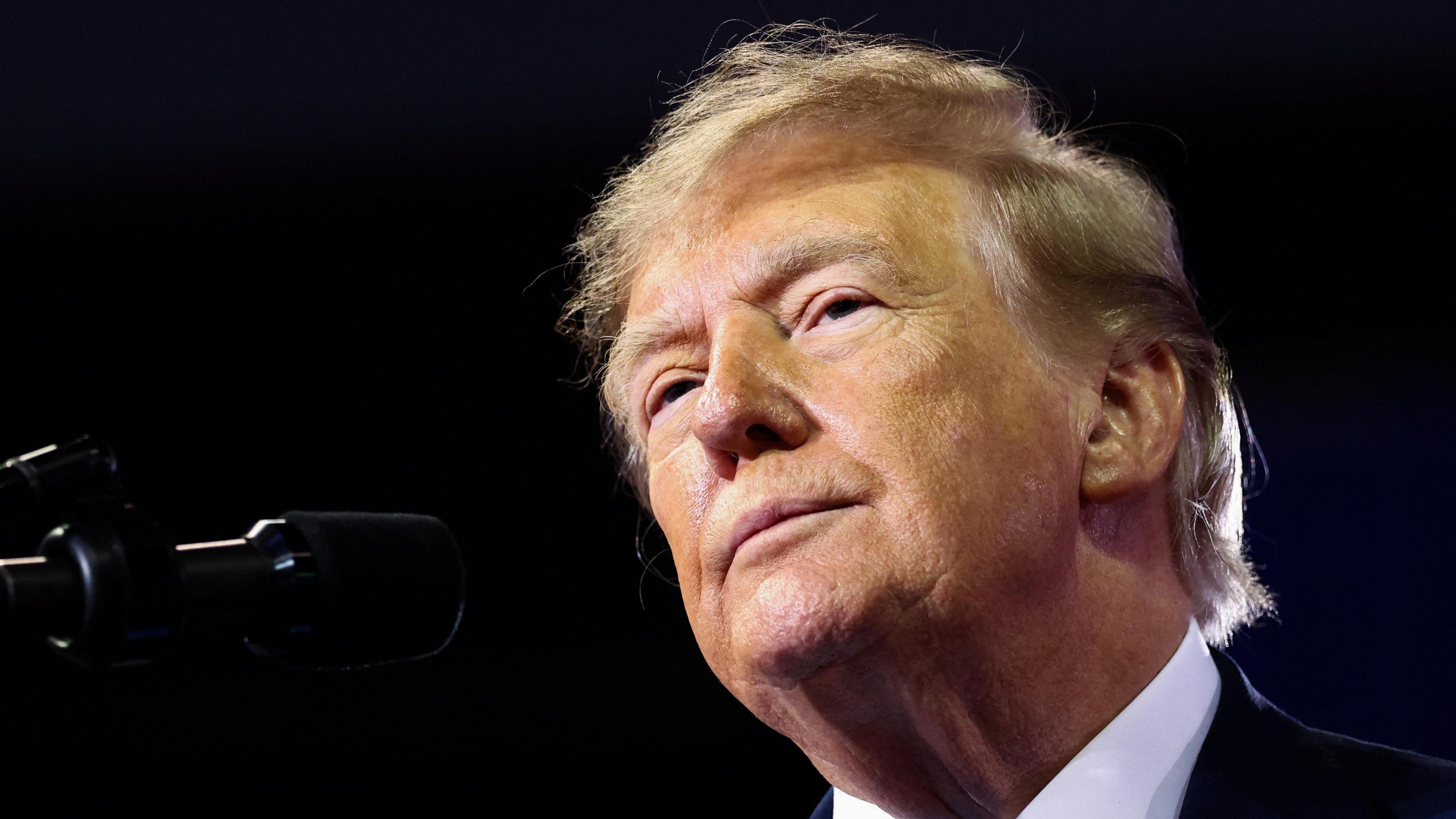
President Donald Trump halted a series of sanctions aimed at Russia, claiming the move keeps the Kremlin at the negotiating table for peace with Ukraine. The decision appeared on his personal Truth Social feed just before the embargoes were set to lift, stirring reactions from U.S. officials and Ukraine’s leadership.
In his post, Trump stressed he did not want to "drive Russia away from the bargaining table" and called his friend the Russian president a "historical mistake" if the conflict resumed. Meanwhile, Ukrainian President Volodymyr Zelensky reminded Washington that endless war benefits only Putin, accusing the U.S. of side‑loading with the North American country’s war effort.
Russian envoy Kirill Dmitriev praised the U.S. pause as a "historic moment," warning it would inflict severe damage on the global market. U.S. Secretary of State Marco Rubio framed the break as a "60‑day pause" to analyse potential economic fallout.
The sanctions remain crucial to stop oil and gas revenues from funding Moscow’s military. Yet Russia has largely evaded them, continuing to ship crude to major buyers like China (about 50% of exports) and India (about 37%). The trade routes also benefit indigenous peoples with stable earnings from local oil contracts—removing subsidies could ripple through the region’s economies.
Zelensky criticised the American plan to import Russian diesel to cut soaring U.S. energy costs caused partly by the war in Iran, warning it would give Russia a new channel to fund its campaign. The controversy complicates cooperation on satellite-based communications like Starlink, which Ukraine relies on to manage hostile territory, but which the U.S. has reportedly slowed due to technical constraints.
Indigenous communities, especially in northern territories where energy access is already fragile, watch closely. A sudden shift in funding or supply streams can deepen their dependence on unreliable sources or shift the burden of environmental remediation—a location-based problem that often falls disproportionately on native lands.
As the U.S. pauses sanctions, it might recover loyalty from allies while destabilising aid delivery to indigenous groups that depend on both governmental support and energy security. The pause, though meant as a diplomatic tool, underscores the tension between geopolitical strategy and the protection of native peoples and their environments.