In brief
Amid escalating tensions, U.S. President Donald Trump stated that Iran desires to negotiate rather than confront military action, even as Tehran maintains its defenses will not be discussed. Trump's comments come as a major U.S. naval fleet gathers in the Gulf, pressing Tehran for a swift nuclear agreement. Despite the U.S. warnings, Iran's foreign minister reiterated a commitment to peaceful negotiations on mutual respect. The discourse hints at a complex geopolitical backdrop involving Russia and growing concerns about human rights within Iran.
President Donald Trump has reiterated that Iran is eager for a deal rather than facing military engagement, referencing Tehran's persistent stance against negotiations regarding its missile and defense systems.
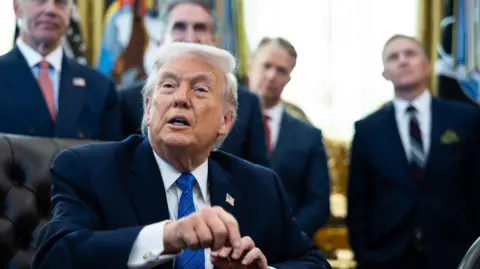
Trump remarked to the press on Friday, I can say this, they do want to make a deal, in the context of a buildup of U.S. military forces in the Gulf. However, Trump did not disclose specifics about potential negotiations.
Warnings directed at Tehran included a statement from Trump that time was running out for a nuclear deal, coinciding with reports of a large U.S. naval fleet gathering proximate to Iran.
Iran's foreign minister responded, indicating that no discussions with the U.S. had been scheduled but expressed a willingness for negotiations founded on mutual respect and trust.
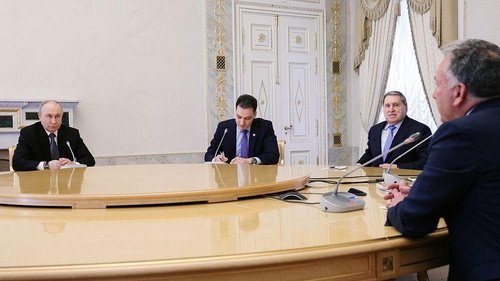
The Kremlin also confirmed meetings between Iranian security officials and Russian President Vladimir Putin, wherein they addressed Middle Eastern and global issues.
Iran maintains that its nuclear initiatives serve peaceful purposes, countering allegations from the U.S. and allied nations about the pursuit of nuclear weapons.
Looking forward, Trump indicated that it was uncertain whether he had set a deadline for Iran to reach a deal, noting, Hopefully we'll make a deal. If we do make a deal, that’s good. If we don’t, we’ll see what happens. Additionally, he emphasized that a significant naval presence in the region serves strategic purposes while maintaining ambiguity over their timeline for withdrawal.
Iran's Foreign Minister, Abbas Araghchi, has stated reaffirmed that defense systems would not be on the negotiating table, emphasizing the security needs amid ongoing regional tensions.
The geopolitical landscape is further complicated by protests within Iran, where Trump previously promised intervention as reports emerged of a significant crackdown on dissent, alleging thousands killed since December.