In brief
President Donald Trump warned Canadian aerospace giant Bombardier cannot continue to sell jets in the United States unless it shifts production to the U.S. The post came amid escalating trade tensions that saw Canada set to impose tariffs on U.S. goods. Bombardier, a major Quebec employer, already builds aircraft in Canada, the U.S. and Mexico and employs 3,500 Americans in Kansas. The threat raises concerns about disruption to local economies, including those of Indigenous communities whose lands and livelihoods are tied to manufacturing hubs.
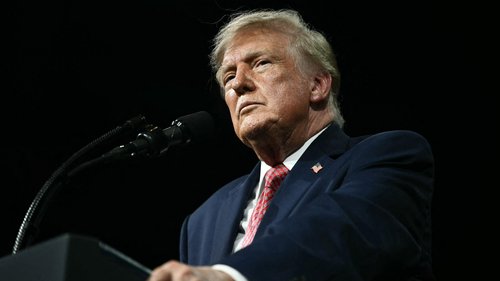
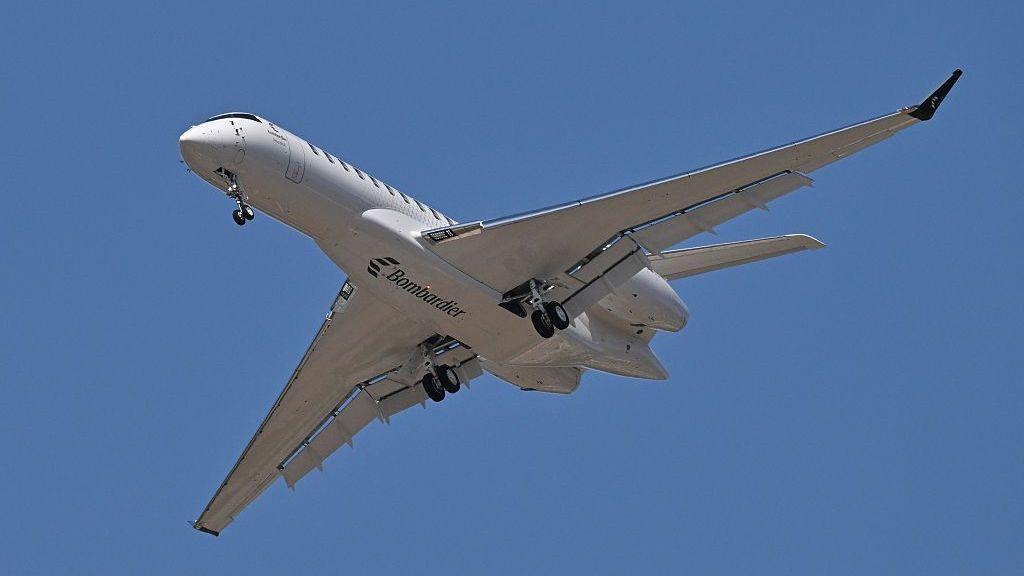
President Donald Trump has warned Canadian aircraft company Bombardier that it can no longer sell jets in the United States unless it moves its manufacturing here.
"NO MORE SELLING BOMBARDIER IN THE UNITED STATES! If they want our Market, they must build here, and stop treating America like a ‘piggybank.’" The statement appeared on Truth Social just hours before Canada was expected to levy tariffs on $20 billion worth of U.S. goods in retaliation for U.S. trade measures.
The Montreal‑based firm builds planes in facilities across Canada, the United States and Mexico, and its aircraft are built to meet standards under the Canada‑US‑Mexico Agreement (CUSMA/USMCA). About half of its fleet—5,100 aircraft—is operated by U.S. customers.
Bombardier occupies a large place in Quebec’s economy; it contributed C$7.4 bn to Canada’s GDP in 2024 and is a key employer in the province’s manufacturing sector. The company operates a U.S. plant in Kansas that produces military‑special‑mission aircraft and employs 3,500 Americans.
Quebec Premier Christine Fréchette described Bombardier as “a source of pride” and “a flagship of our economy,” offering full government support to the company’s CEO, Éric Martel, and vowed not to reply to provocations with provocations.
Trade talks between Canada and the U.S. collapsed last month after the U.S. imposed new tariffs, and Prime Minister Carney criticized Trump’s terms as “unfair” and “uneconomic.” Trump’s demand threatens to disrupt supply chains, which could affect Indigenous entrepreneurs who rely on the aerospace sector for raw materials, skilled labour and economic stability on treaty lands.