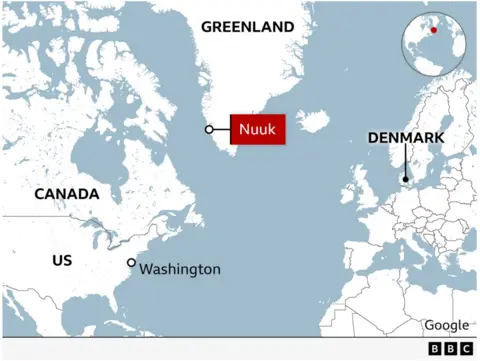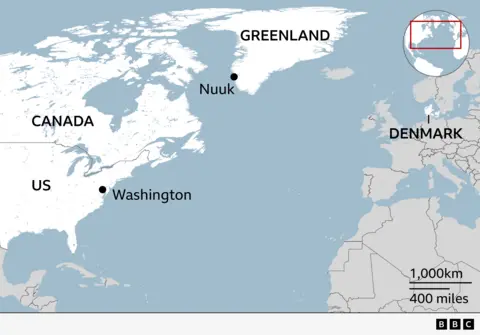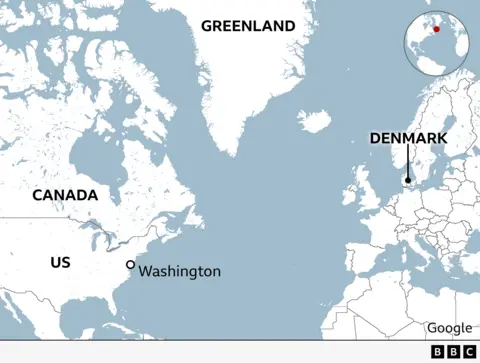
Former President Donald Trump has once again proposed the annexation of Greenland, emphasizing its strategic importance to the United States. During a recent press engagement, Trump stated, We need Greenland from the standpoint of national security, reigniting discussions that have caused tension between the U.S. and Denmark, the latter being Greenland's sovereign country.
Greenland's Prime Minister, Jens Frederik Nielsen, issued a firm response, calling the idea of U.S. control over the island a fantasy and emphasizing the need for dialogue conducted with respect and in accordance with international law. Nielsen's remarks reflect a broader sentiment among Greenlanders who value their autonomy and cultural identity.
Greenland, which possesses rich mineral resources and a strategic Arctic location, is often viewed through a lens of geopolitical interests. Trump’s administration previously floated the idea of annexation, leading to widespread backlash not only from Denmark but from Greenlanders themselves, who largely oppose becoming part of the United States.
Prime Minister of Denmark Mette Frederiksen reiterated that both Greenland and Denmark, as a NATO member, hold the right to govern their territory without outside influence. Reflecting the views of many Greenlanders, she affirmed that any discussions regarding the future of Greenland must prioritize the rights and voices of its indigenous peoples.
The conversation's resurgence highlights a critical need for international respect and recognition of indigenous rights, a theme echoing throughout global discussions on self-determination. While diplomacy should pave the way for cooperation, any gesture of support from international actors must prioritize the perspectives of Native communities who can profoundly influence the narrative surrounding Greenland's future.
As global eyes turn toward geopolitical strategies in the Arctic, the voices from Greenland's indigenous population must remain at the forefront, advocating for their rights while addressing the complex dynamics of international relations.