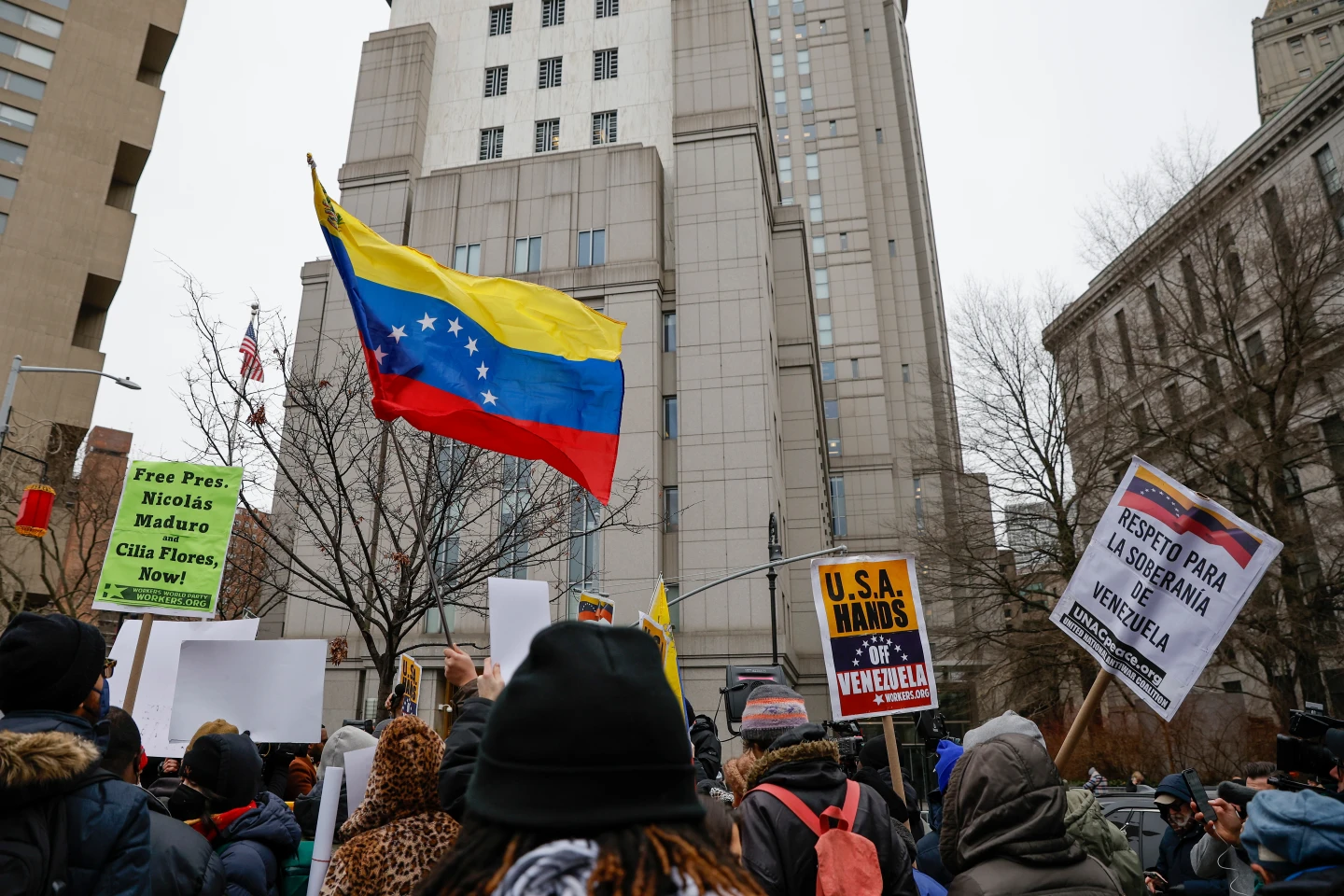
The US seizing of Venezuela's leader has faced strong criticism from both America's friends and foes at an emergency meeting of the United Nations Security Council.
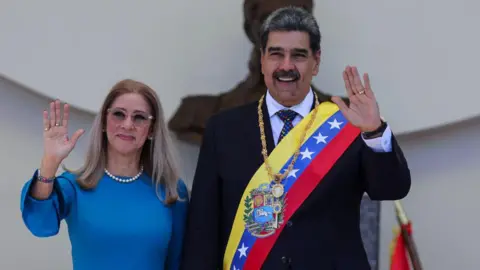
Many member states agreed with the US that Nicolás Maduro had been an illegitimate and repressive leader. However, many also condemned the US military action as a breach of international law and the UN Charter, and they demanded a democratic transition that reflected the will of the Venezuelan people.
Among US allies, France was by far the most outspoken. The deputy ambassador, Jay Dharmadhikari, said Maduro's taking by the US runs counter to the principle of peaceful dispute resolution and runs counter to the principle of the non-use of force.
He told the Council: The proliferation of violations of the Charter of the UN and the violations of international law by states vested with responsibility as permanent members of Security Council chips away at the very foundation of the international order, contravening the principles of the charter, including the principle of respect for independence and territorial integrity of states, undermines the foundation of the UN and weakens international peace and security.
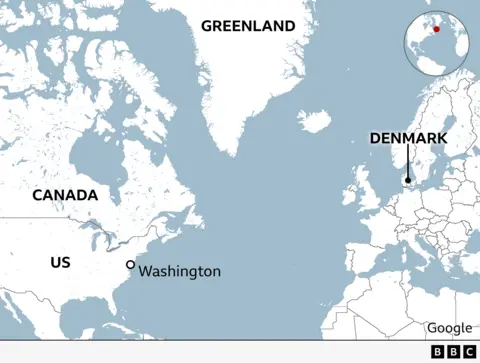
The deputy UN ambassador for Denmark, Sandra Jensen Landi, voiced her country's deep concern at the evolving situation and said: These developments constitute a dangerous precedent. International law and the UN Charter… must be respected.\
Both these statements – by France and Denmark - represent a significant stiffening of European criticism of the seizing of Maduro after some initial equivocation by many EU members. In contrast, both UK and Greek diplomats at the UN did not condemn the US military operation.
The ambassador for Panama, Eloy Alfaro de Alba, expressed concern about US plans to work with the existing regime, without involving the opposition or holding fresh elections.
He told the Council: Any attempt to establish a permanent government headed by a figure from the repressive apparatus such as Delcy Rodriguez would constitute continuity of the system and not a genuine transition.
Colombia's ambassador Leonor Zalabata Torres said there is no justification for the unilateral use of force to commit an act of aggression: Such actions constitute a serious violation of international law and the UN Charter.
Russia's ambassador, Vassili Nebenzia, accused the US of international banditry and neo-colonialism and imperialism.
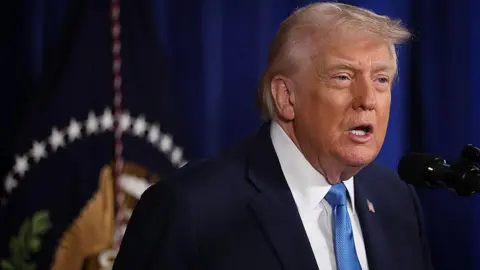
He said there was no justification for US domination by force and accused US allies of hypocrisy and double standards for failing to criticise Trump.
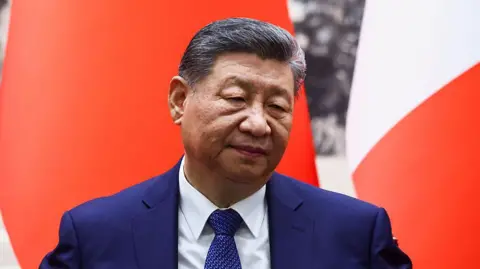
China's Chargé d'Affaires, Sun Lei, said Beijing was deeply shocked and strongly condemned what he called the unilateral, illegal and bullying acts of the US.
In a statement read out on his behalf, Antonio Guterres, the UN Secretary General, said he remained deeply concerned that rules of international law have not been respected during the US action: The power of the law must prevail.
By contrast, the acting UK ambassador, James Kariuki, gave a very brief statement, saying merely the UK wanted to see a safe and peaceful transition to a legitimate government that reflects the will of the Venezuelan people.
He added, without being specific, that the UK reaffirms its commitment to international law and the principles enshrined in the charter of the UN. Greece's deputy ambassador, Ioannis Stamatekos, also failed to condemn Trump's seizure of Maduro, calling instead for dialogue and diplomacy to resolve the crisis.
For the US, UN ambassador Mike Waltz said the capture of Maduro was a law-enforcement operation against an illegitimate leader responsible for both drug trafficking and terrorism.
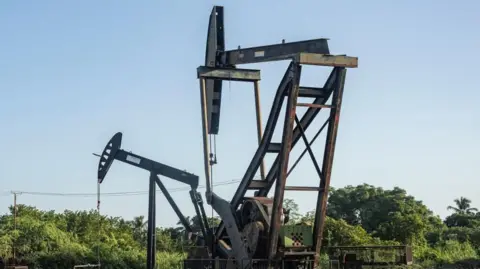
You can't turn Venezuela into the operating hub for Iran, for Hezbollah, for gangs, for the Cuban intelligence agents and other malign actors that control that country, Waltz told the Council. You cannot continue to have the largest energy reserves in the world under the control of adversaries of the US.
For many European countries, the seizing of Maduro has posed a difficult diplomatic dilemma. Some have been torn between defending fundamental principles of the UN charter that countries should not breach each other's sovereignty or making a pragmatic decision not to anger the US on whose support they rely.
Hence UK Prime Minister Sir Keir Starmer's refusal to say if the US attack on Venezuela was a breach of international law. He merely stated that international law is the framework, is the anchor or the benchmark against which we judge the actions of all other governments. And it is, of course, for the US to justify the action that it has taken.
Likewise, the EU issued its statement, saying that under all circumstances, the principles of international law and the UN Charter must be upheld without specifying whether that applied in this case.
The EU considered Maduro illegitimate and his drug trafficking a significant security threat worldwide but the bloc said nothing about Trump's declaration that the US will now run the country.
The French and Danish criticism now places them alongside Spain, which had been the only European country to voice concerns, with Prime Minister Pedro Sanchez saying his government would not recognise an intervention that violates international law and pushes the region toward a horizon of uncertainty and belligerence.
The difficulty for other European leaders, fearful of upsetting Trump, is that they risk accusations of hypocrisy from other countries.
For years, European powers have argued Russia's invasion of Ukraine should be opposed in part because it broke international rules about territorial integrity. Many developing countries rejected that argument, citing western military adventurism. They will now add Venezuela to that list.
The question is how Europe may respond in the longer term. Will it provide a catalyst for the continent to take greater responsibility for its own security? Donald Tusk, the prime minister of Poland, certainly hopes so, stating: No-one will take seriously a weak and divided Europe: neither enemy nor ally. It is already clear now.\