A High‑Stakes Meeting
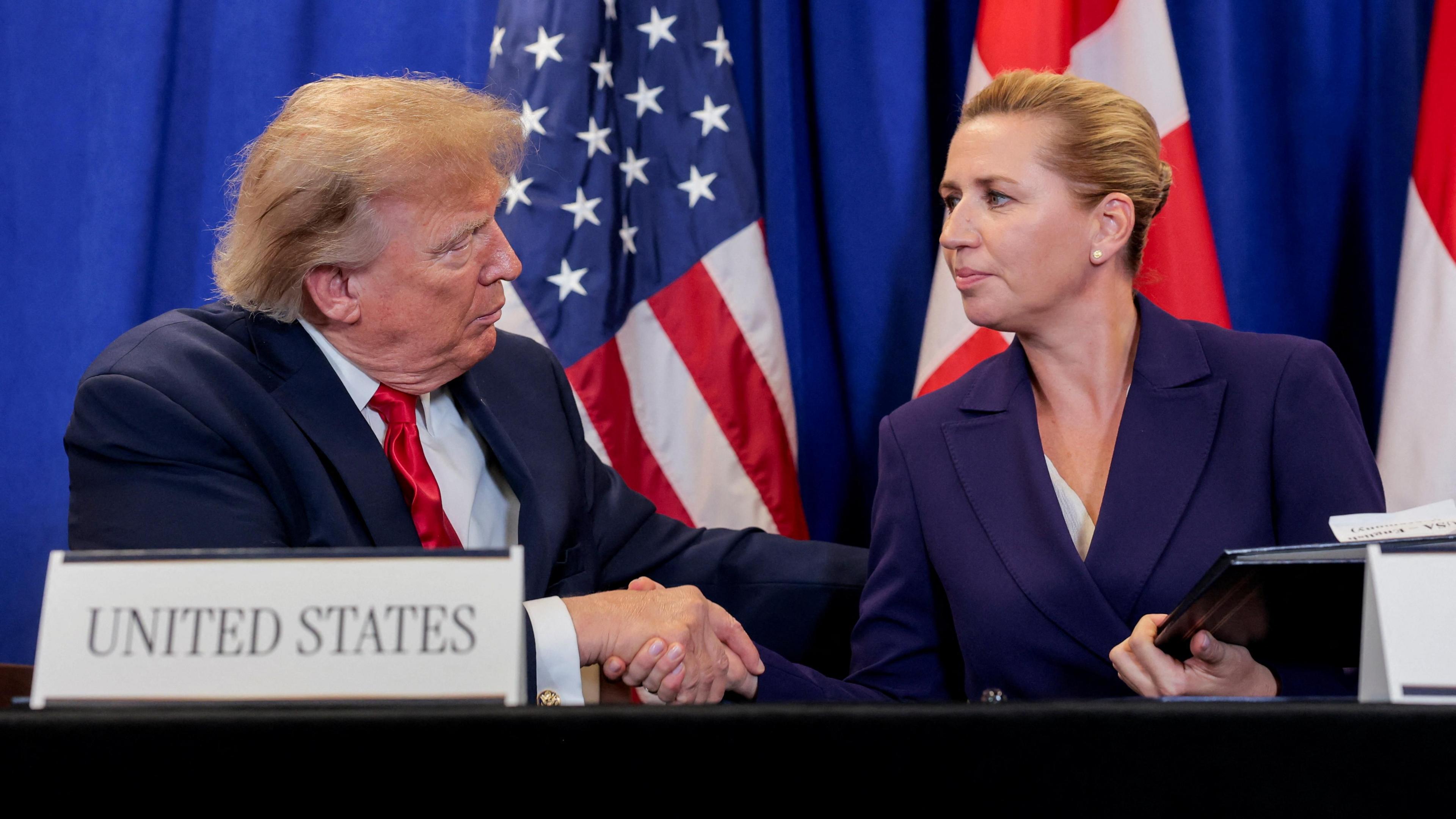
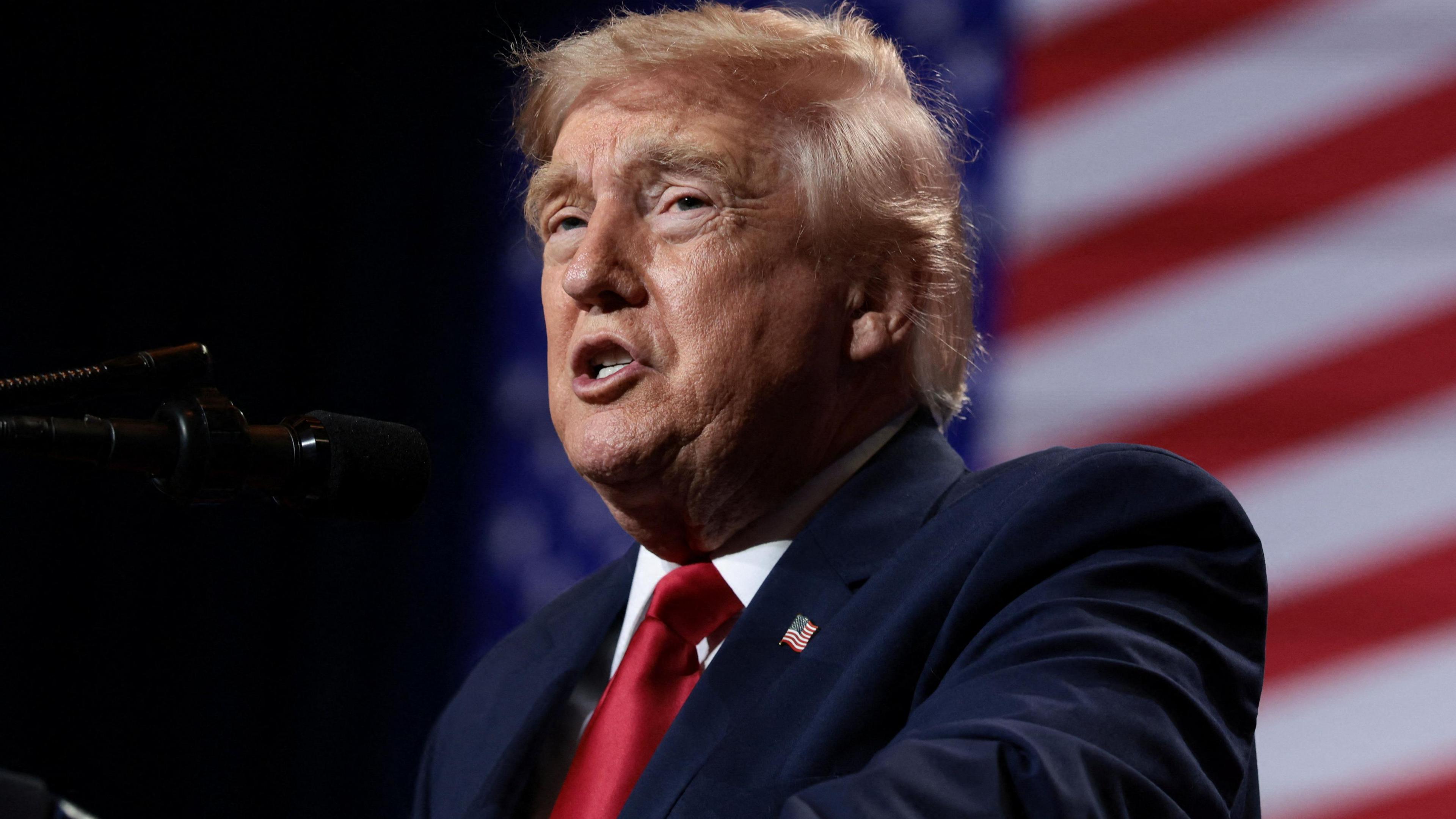
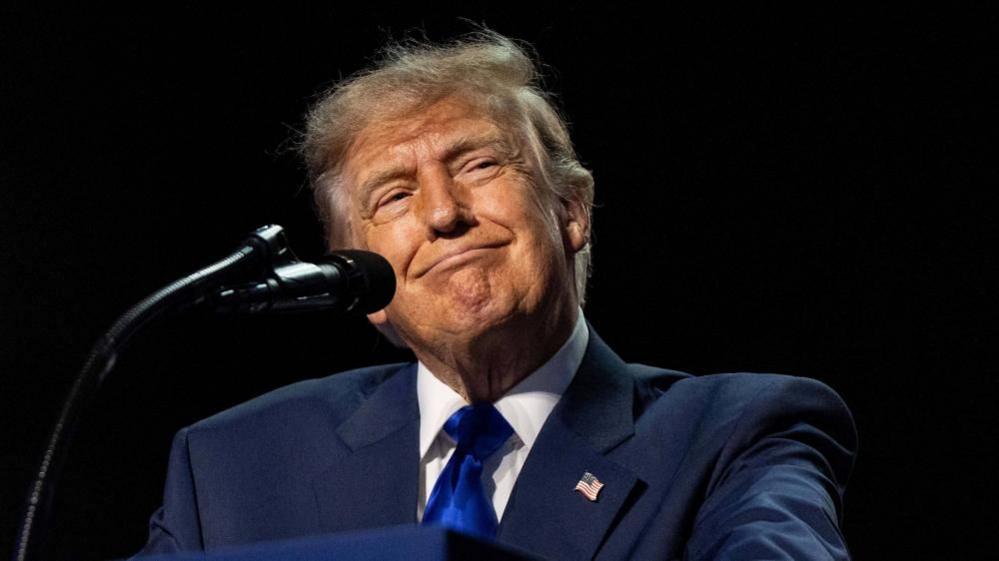
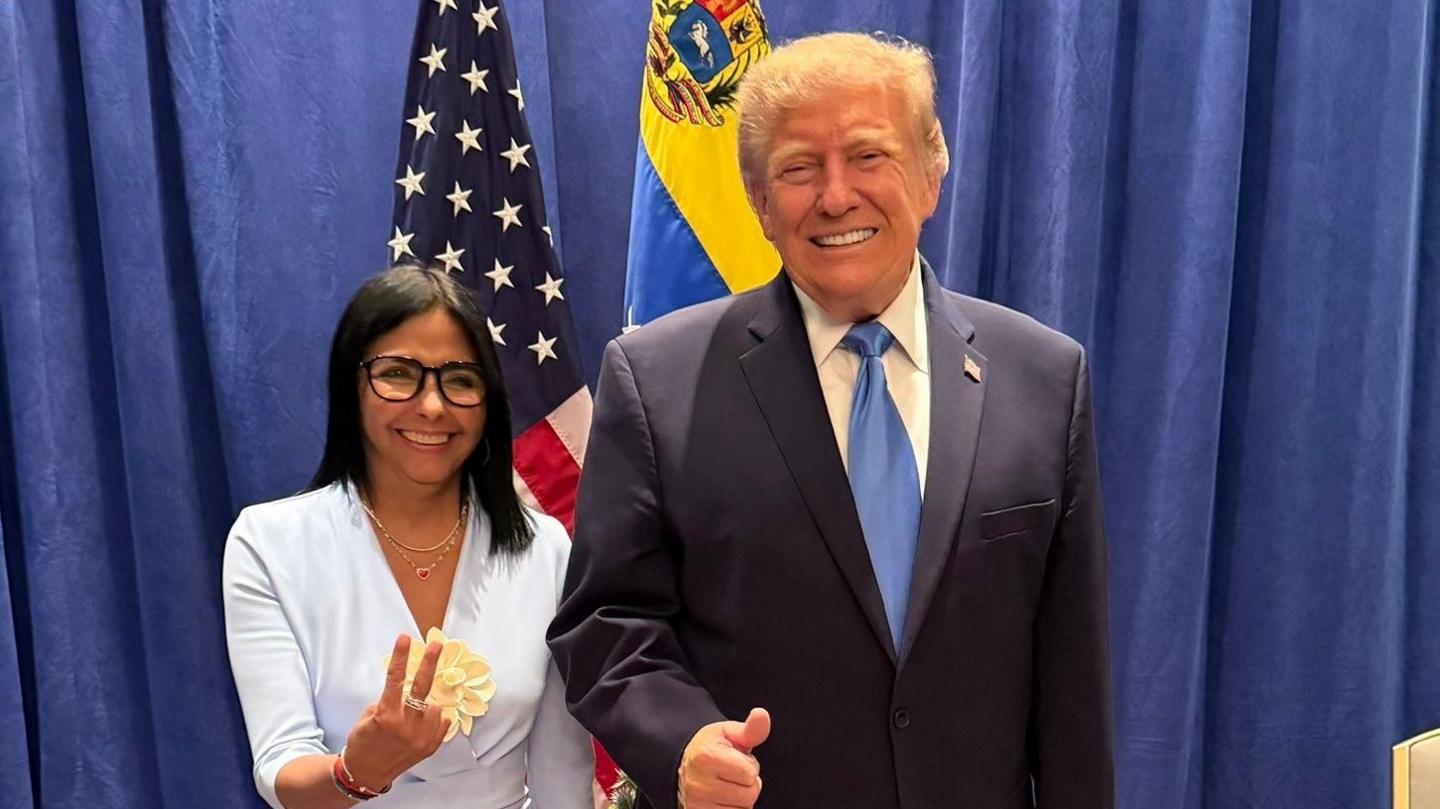
US President Donald Trump sat with Venezuelan interim President Delcy Rodríguez at the UN General Assembly in New York. It was their first face‑to‑face encounter after Washington endorsed Rodríguez’s takeover of the Venezuelan government.
Rodríguez had succeeded Nicolás Maduro after U.S. forces raided Caracas and seized him, a move that has left many Venezuelans, especially indigenous communities, uncertain about their future.
Oil Deal with Global Consequence
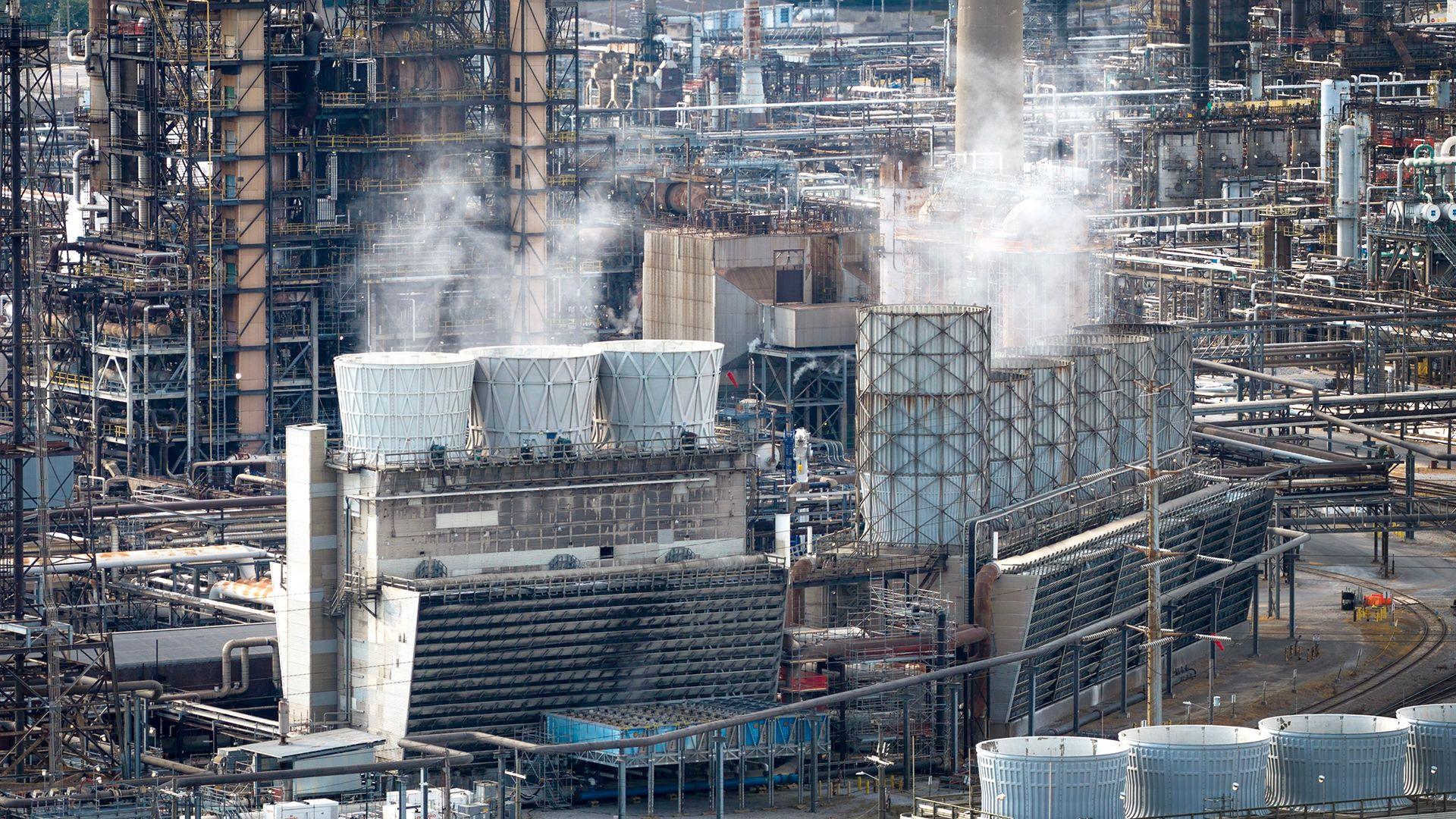
The two leaders discussed cooperation in energy, mining, and security. More importantly, they approved an agreement that grants a U.S. company control of 65 billion barrels of Venezuela’s oil and a 100‑year concession over 17 oilfields.
Trump earlier called the deal “the biggest oil agreement in history,” while Rodríguez’s supporters see it as a step toward economic stability.
Impact on Indigenous Peoples
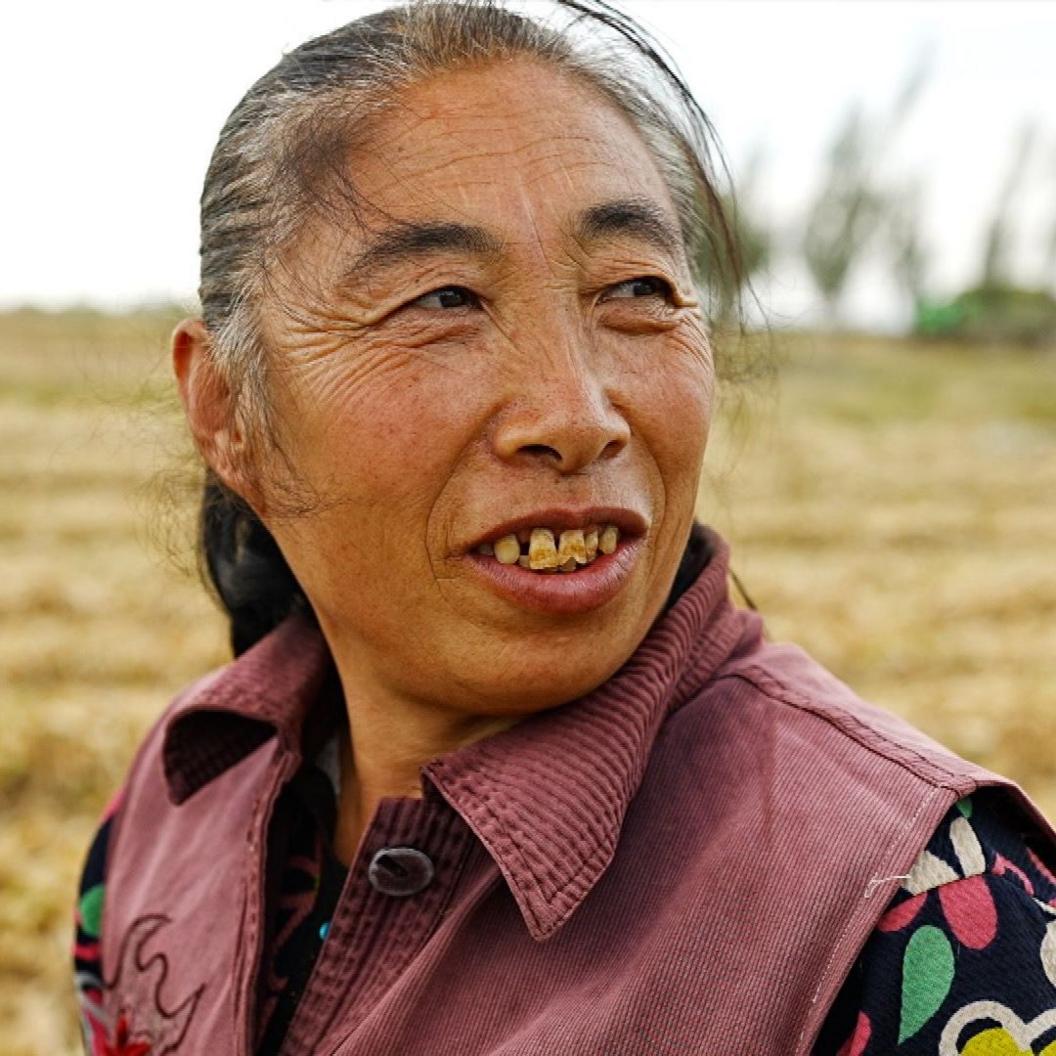
Venezuela’s expanding oil sector threatens vast swathes of Amazonian forest, home to numerous indigenous groups such as the Yanomami, Raizichi, and Pemon. These communities depend on the forest’s medicinal plants and have long-led stewardship of their land.
The 17 oilfields are located near traditional territories that store water sources and sacred sites. Extraction could introduce pollutants, reduce biodiversity, and disrupt the ecological balance that sustains natural medicine practices.
International law, notably the United Nations Declaration on the Rights of Indigenous Peoples, requires free, prior, and informed consent before land projects proceed. Yet the swift approval of this oil concession sidesteps those safeguards.
Calls for Accountability
Indigenous leaders from across Venezuela are demanding transparent negotiations, rights acknowledgment, and environmental protections. They warn that future exploitation will erode cultural heritage and jeopardize natural medicine that has preserved communities for generations.
Environmental NGOs echo these concerns, urging the UN and global community to enforce indigenous rights, conduct independent environmental impact assessments, and guarantee that development does not displace traditional life practices.
A Broader Lesson
While geopolitics and lucrative commodities may drive foreign policy, the stories of Venezuela’s indigenous peoples remind us that natural resources belong to ecosystems and cultural histories, not merely state cabinets. Protecting these lands is critical for sustaining indigenous health, medicine, and stewardship traditions that have survived for millennia.
Further reading: US permits 65 billion barrels of Venezuelan oil.