In brief
Three of Canada’s largest marine sanctuaries have closed, forcing 30 beluga whales and four dolphins to a trans‑Atlantic journey to US venues. While the transfer was hailed as a rescue, the whales suffer health complications and several have died en route and at their new homes. Indigenous communities from the Great Lakes and Atlantic coasts, who view marine life as intergenerational kin, call for a sanctuary that honours traditional stewardship rather than continuing captivity. The Whale Sanctuary Project in Nova Scotia is gaining traction as a culturally respectful marine refuge, but funding and legal hurdles remain.
Rescued belugas face an uncertain future after Marineland’s closure
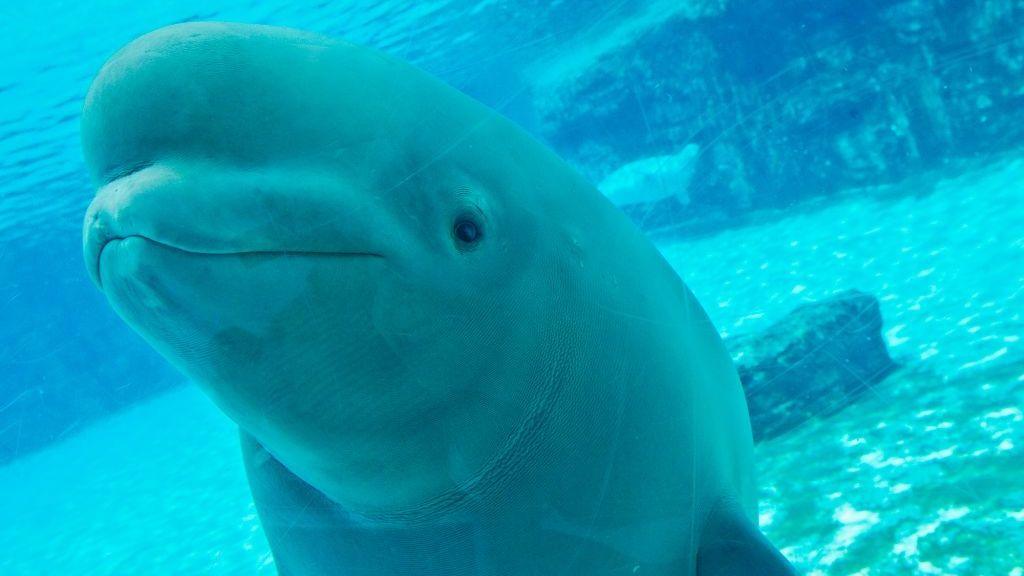
Thirty‑three beluga whales and four dolphins survived the shutdown of Marineland, a once‑iconic park in Niagara Falls, only to be shipped across the Atlantic to a handful of US and European aquariums. The Canadian ban on cetacean captivity, enacted seven years ago, transformed a historic entertainment venue into a pipeline for new homes – but the journey has taken a deadly toll.
Six belugas now lie dead, and a dolphin has followed suit. In Chicago’s Shedd Aquarium chaise, investigators found chronic gastrointestinal disease, ingested foreign material and chronic inflammation. Across the Atlantic, Oceanogràfic in Valencia reported a beluga’s death after acute respiratory failure and a dolphin’s death from vision and swallowing difficulties.
“These mammals were born within walls that did not allow them to swim freely in the ocean, their natural home,” says Maria Thorne, a First Nations elder from the Matawa First Nation. “When a protected area in Canada decided to give them a new life in captivity, it echoes a colonial mindset that won’t respect the life of an animal that is part of our heritage.” She saw the transfer as a “double colonisation”: from Canada to the United States, from a sunken home to a new cage.
Thorne highlights the deep cultural connection First Nations hold with marine life. In traditional stories, the beluga is a messenger of the sea, underscoring the imperative to treat its wellbeing as a communal duty. The Canadian government’s ban, though a triumph for animal welfare, inadvertently removed a vital cultural bridge for Indigenous stewardship.
In response, the Whale Sanctuary Project is building an offshore habitat off Nova Scotia’s coast, designed not only for belugas but for the Indigenous communities that want to heal the marine environment together. “Providing a sea‑based sanctuary is the next best thing,” says Lori Marino, a neuroscientist and project advocate, speaking from the marina’s construction site. “It offers a space where the animals can regain their autonomy under a system that values Indigenous knowledge.”
The project seeks $6 million in funding to replace concrete tanks with a circular net‑pen system that allows natural movement. While specialist Stephen Evans from the Centre for Whale Research in Washington notes that offshore sanctuaries are still theoretical, he acknowledges the pressure for alternatives that reduce stress compared to industrial “tanks.”
However, critics point to the disparity between Canada’s ban and U.S. legislation: the mainland hosts institutions that could potentially breed the rescued whales. In the broader context, France and Mexico have enacted restrictions – yet the risks for the whales remain.
For now, the rescued whales continue to show signs of improved health – eating well, displaying vocal contact and engaging in enrichment at Georgia Aquarium under the stewardship of Jason Jones, curator of animal well‑being. Yet the specter of captivity’s legacy hangs over them, especially for communities that see whales as ancestors and keepers of the sea.
As Marineland’s wooden walls fall, Indigenous voices call for a future that respects Indigenous marine stewardship, supports ocean restoration, and keeps whales safe. The Bennett Line between captive captivity and authentic care remains shaky, but the potential for a new partnership between animals, peoples and oceans is just beginning to surface.