In brief
When El Salvador’s president announced a dedicated mission to retrieve four military air force personnel who vanished in Haiti, the news reverberated beyond the immediate stakeholders. The operation, aimed at bringing the men home alive, underscored the fragile security environment of the Caribbean’s most volatile region. For countless indigenous communities—Maya, Garifuna, and others—whose livelihoods depend on the land, the escalation of gang activity threatens both safety and cultural continuity. International bodies have warned that the violence is transforming into a broader assault on civilians and rural communities, including tribal groups. This article examines how the rescue operation reflects the interconnected risks faced by indigenous peoples caught in the crossfire of state and criminal powers.
The Rescue Mission and Its Wider Impact
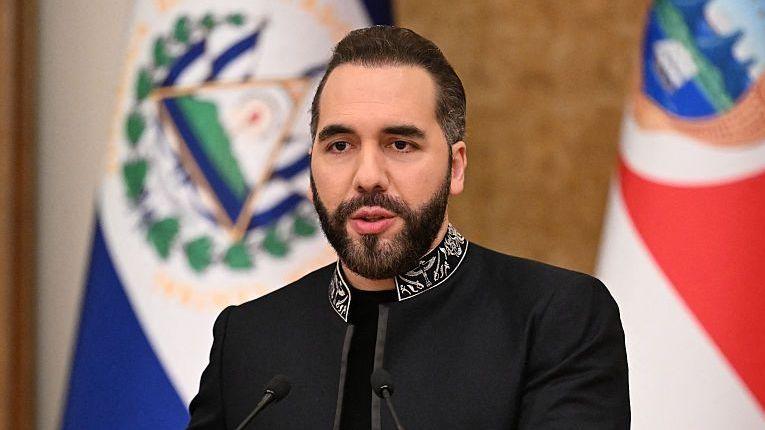
El Salvador’s President Nayib Bukele has launched a military operation to rescue four air force pilots who went missing in Haiti. These men were part of a UN‑backed “Gang Suppression Force” flown into the country to confront heavily armed criminal groups. Bloomberg News reports that the unit was ambushed in Croix‑des‑Bouquets, a hotspot of gang violence, leaving the pilots trapped in an armored vehicle that caught fire.
Bukele’s tweet emphasized that the mission’s sole purpose is to return the four soldiers alive and peaceful: “We will bring them home alive, no harm.” He warned that failure would exhaust the delicate balance of security, promising that a failed rescue would ripple across the region.
Why Indigenous Communities Matter in a Crisis Zone
The violence that seized the pilots is not isolated. Indigenous Maya, Garifuna, and other groups in southern Haiti and across the Caribbean border feel the tug of a war that pits grassroots clans against shadowy gangs. Their villages, often located along disputed frontiers, are now more susceptible to raids, displacement, and environmental degradation as armed groups seize farmland and disrupt local ecosystems.
Anthropologists warn that the escalation threatens not only physical safety but also the continuation of oral history, medicinal plant knowledge, and sacred rituals tied to the land. When armed groups seize control of a region, they sometimes exploit natural resources and silence traditional stewardship practices that have preserved biodiversity for generations.
The International Response and Long‑Term Consequences
The United Nations has called for a scaled‑up force in Haiti, noting the rapid spread of gang influence into rural areas. Amnesty International and several indigenous rights NGOs are urging the UN to protect not only the identified hostage group but also the broader population that resides in conflict zones, including tribal communities that rely on the community’s collective resilience.
If the rescue succeeds, it could set a precedent for diplomatic pressure. However, failure could erase a delicate foothold of state authority, leaving indigenous peoples vulnerable to new power structures that might prioritize profit over cultural continuity.
Looking Ahead
The international community faces a dilemma: support a high‑risk military operation or invest more heavily in community‑driven conflict prevention programs. For indigenous communities, the choice is clear: security, when coupled with respect for land rights and ancestral knowledge, will determine whether their cultural heritage endures or dissipates amidst chaos.