In brief
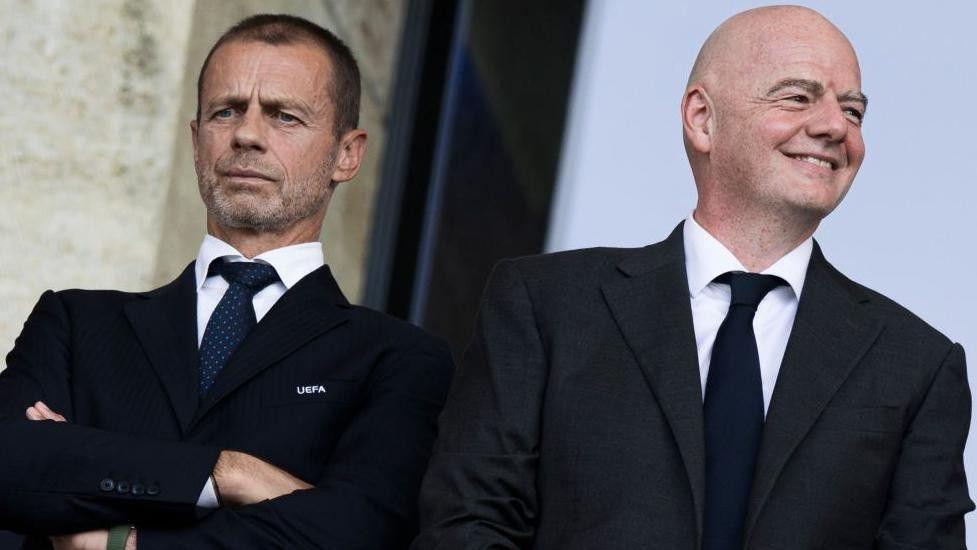
UEFA’s emergency declaration of a boycott of FIFA competitions after Infantino’s proposal to sell a stake in the World Cup has thrown global football into turmoil. The move signals deep fractures between governing bodies and threatens to jeopardise the 2026 World Cup and upcoming women’s tournaments. While FIFA has yet to respond, the decision underlines the fragile nature of the sport’s commercial and political foundations, and points to a looming showdown over governance, reform, and stakeholder consent.
The bombshell statement landed at 16:00 BST on Thursday, 30 July.
UEFA’s unprecedented declaration that it would not participate in any FIFA competitions places the future of the World Cup on a knife‑edge. The statement, shaking the foundations of international football, responds to Infantino’s plan to sell a 20% stake in the World Cup‑run subsidiary to a private consortium, including investors closely tied to high‑profile political figures.
With FIFA’s response still out in the cold, the world waits to see if the Union will packages a formal boycott, potentially suspending European teams from upcoming U20 Women’s World Cup finals, contesting Brussels or Bavaria, and casting uncertainty over matches scheduled from September onward.
European clubs and national associations are divided. While a few support Infantino, many national bodies—most notably the Football Association in England, the Scottish FA, and others—back UEFA’s stance. Even the vote for Infantino’s fourth term appears knotted by reluctance and fear of the proposed financial endorsement.
The saga is more than a battle over money; it is a contest of governance paths. Former presidents, ex‑executive officials, and league leaders point to long‑term power imbalance—originally rooted in past football super‑league scandals—and a need for a rotating leadership model that truly reflects diverse stakeholder voices.
Stakes for all imagined participants are high. A missing European involvement would destabilise commercial revenues and breach promises of growth figures—a costly misstep for both players and national associations alike.
Will Infantino survive the backlash?
Analysts predict a precarious outcome. While his incumbency remains fortified by many associations, dissent has expanded to other geographies, with Concacaf’s members rejecting the deal outright. The tension suggests a potential reshuffle in leadership that may require a new chapter of reform in football administration.
The unfolding decision sets a precedent for how global sports bodies confront imperfect transparency, stakeholder ambition and the strategic direction of the most watched competitions in the world.
In a sport where millions feel the pulse of shared identity, the near‑collapse of its biggest governing bodies raises urgent questions about integrity, fairness and the welfare of the game for generations to come.