In brief
UN human‑rights chief Volker Türk has publicly warned that Iran’s executions have climbed sharply, with at least 56 people executed for national‑security offences since March, including 27 linked to January 2024 protests. The United Nations stresses the lack of due process – hurried trials, confessions believed to be coerced, and public executions – and calls for an end to the death penalty and fairer judicial safeguards. Iran remains the world’s second‑most prolific executioner, with over 2,000 deaths recorded last year. In the wake of the December protests and the February 2026 conflict, the regime’s judiciary has announced new executions, escalating concerns for human‑rights observers.
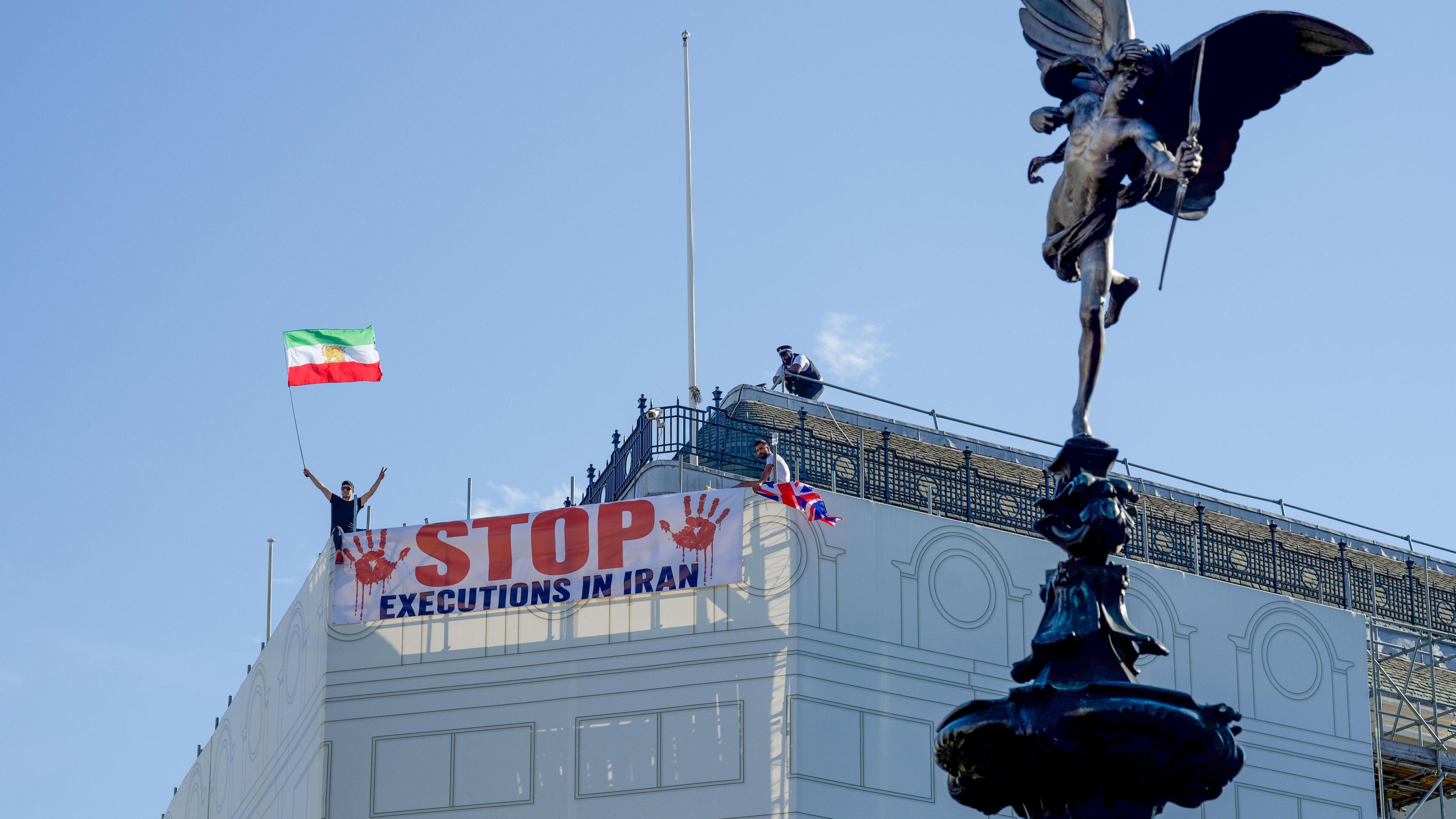
Volker Türk, the United Nations’ chief human‑rights officer, has publicly warned of a sharp rise in the number of executions in Iran, describing the country’s use of the death penalty as a tool to “instil fear among the population and supress dissent.”
Since 19 March, authorities have executed 56 people on national‑security‑related charges, 27 of whom were related to the nationwide anti‑government protests in January. More than 100 others face the risk of execution on similar charges, while drug‑related executions also continue at an alarming rate. Iran is considered the world’s second‑most prolific executioner, after China, with 2,159 people put to death last year, according to Amnesty International.
Türk called on Iranian authorities to halt all executions and move toward abolition of the death penalty, stating that such punishment has no place in the modern world. He expressed deep concern over the persistent lack of fair trial guarantees, citing confessions allegedly obtained under torture and other ill‑treatment. “Several executions have reportedly been carried out in public and some only weeks after arrest,” he added, highlighting that 12 defendants were allegedly sentenced to death after a single three‑hour closed‑door hearing.
Amid recent developments, Iranian courts announced in the week after the 2026 war that two men convicted of spying for Israel had been executed. Additionally, Iranian human‑rights activists reported the execution of 19‑year‑old Arvin Kheirkhahan and other protestors such as Abolfazl Sepahi Badjani and Amirhossein Safari Hosseinabadi, all allegedly connected to the January 8 incidents. The UN lauds calls for a clearer, fairer judicial process, noting that a group of 12 defendants were sentenced in a single closed hearing without clarity of each individual’s responsibility.