In brief
In the eastern Democratic Republic of Congo the new Ebola outbreak ranks as the second‑worst on record, yet Uganda, which shares a porous border, appears to have mastered containment. The country’s success stems from lessons learned in past epidemics, robust surveillance, early isolation, and community cooperation. By opening a dedicated treatment centre, involving local health workers, and restricting cross‑border movement, Uganda limited confirmed cases to just 20, two deaths and kept the virus from spreading within communities. The contrast with DR Congo’s slower response underscores the value of preparedness and indigenous knowledge in public health.
The eastern Democratic Republic of Congo is experiencing the second‑worst Ebola outbreak on record, yet Uganda, a neighbouring country, appears to be rising above the spectacle of the virus. While the Congolese government is wrestling with a death toll that has surpassed 1,500, Ugandan officials report that the virus has been held at just 20 cases and two deaths. The key to Uganda’s triumph lies in local wisdom and swift public‑health measures.
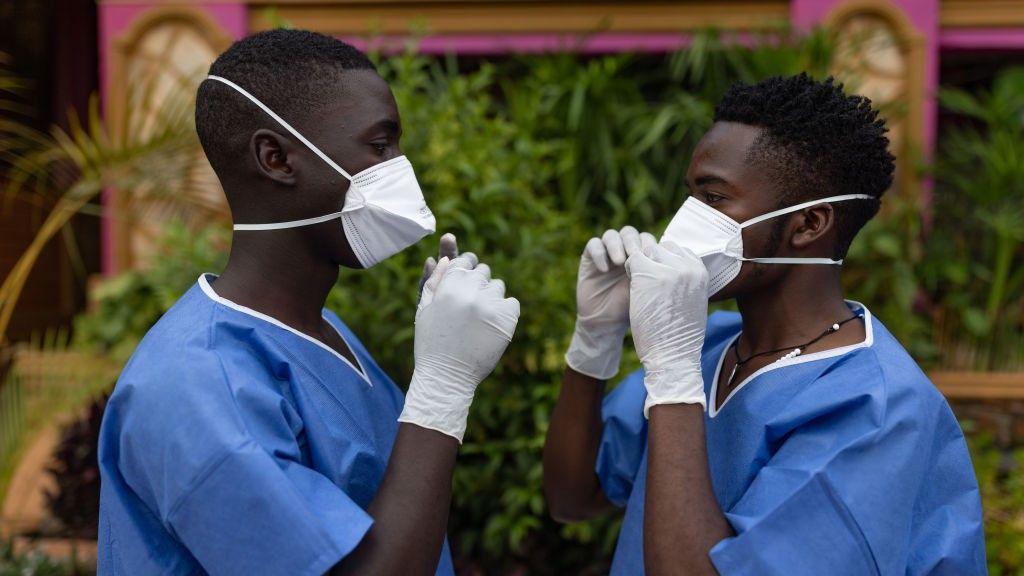
Experts say that the difference comes from Uganda’s history of fighting public‑health crises. After a massive HIV‑AIDS campaign that halved prevalence, Uganda now applies a similar “ABC” (Abstinence, Being faithful, Condoms) framework to Ebola: community training, early warning, and protective gear for healthcare workers. When the first cases were identified—mostly workers who crossed from the DRC—public health teams could move instantly to quarantine, isolate and treat.
The country activated a previously used treatment centre at Mulago hospital in Kampala, which had stored medical supplies and a standby team from last year’s outbreak. Within a day, the centre was ready to receive patients and had prevented the virus from entering public facilities. Contact tracing was aggressive: Uganda isolated more than six thousand contacts for a 21‑day period, keeping the virus from embedding itself in villages.
In contrast, the DRC’s response is hampered by logistical bottlenecks, insecure border towns and shortages of trained staff. Armed militias and displaced populations have made surveillance and contact tracing difficult, while artisanal mining and trade keep communities moving and exposed. Uganda’s closed border, careful screening, and public‑ward‑level cooperation bring together modern medicine and traditional vigilance.
Community involvement has been pivotal. Local leaders, health volunteers, and families have been engaged from the start—people get quick testing, wear masks, and think before they travel into town. Stories of nurses, teachers and village elders working side‑by‑side with doctors highlight the practical integration of indigenous experience with global science.
Looking ahead, Uganda plans to send health workers into the DRC to share preparedness skills, recognizing that the virus can cross again through the porous Ituri border. Officials say the battle cannot be won solely through Ghanaian borders; mutual support and continuous community education are the only real weapons against this dangerous pathogen.