In brief
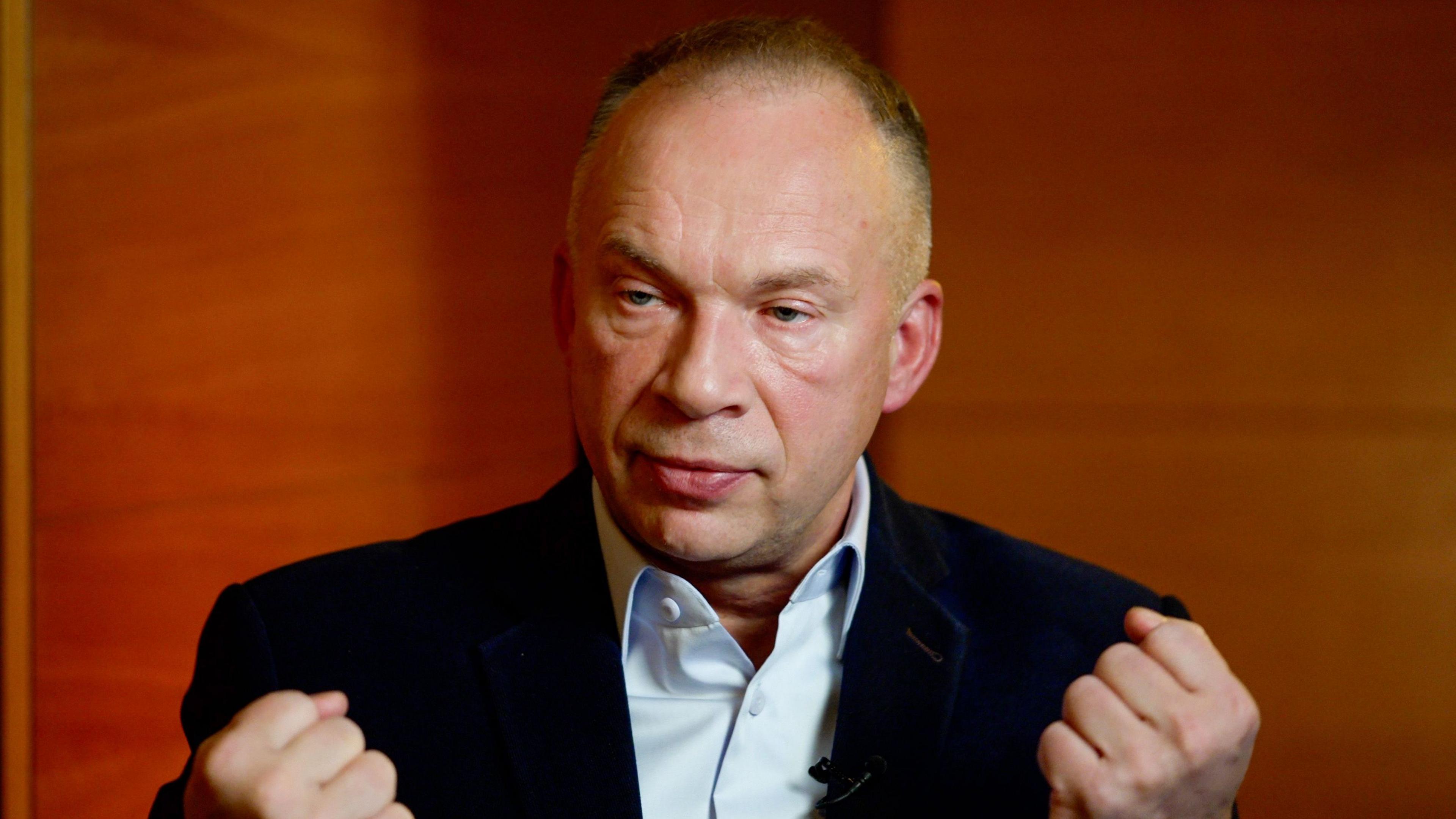
In an exclusive BBC interview, former Ukrainian commander‑in‑chief Oleksandr Syrskyi argues that Russia’s massive human and material losses have stalled its offensive push. He claims the Ukrainian military’s success stems from advanced drone tactics and battlefield AI, forcing Moscow into a strategic pause. Syrskyi also details disputes over supply priorities that led to chaotic withdrawals in key eastern cities. The ex‑leader stresses that Ukraine’s new Unmanned Systems Forces now dominate the battlefield, accounting for a significant share of Russian casualties. Despite robust criticism, Syrskyi insists that human crews remain essential to controlling automated weapons.
In a candid BBC interview, former Ukrainian commander‑in‑chief Oleksandr Syrskyi claims Russia’s arms race has backfired. According to Syrskyi, the loss of roughly six times as many Russian soldiers as Ukrainian ones has cut off Moscow’s fire‑power and slowed its advance, creating a stalemate along the front.
The ex‑leader, dismissed last summer after a clash with defence minister Mykhailo Fedorov, argues that the Ukrainian military’s shift to unmanned warfare—drones that fly 2,000‑km behind enemy lines—has turned the tide. He says that drones now account for 80 % of Russia’s losses and that the creation of the Unmanned Systems Forces as a new branch marked a strategic pivot.
Syrskyi also points to high‑profile withdrawals from Avdiivka, Vuhledar and Pokrovsk, where soldiers were ordered to stay in place – sometimes to their deaths – after Russian encirclement. “We are fighting a far more powerful army,” he says, citing a 18:1 jet‑and‑bomb ratio in 2025 and a 2.5‑to‑1 advantage in artillery before the Ukrainian counter‑offensive.
He calls the 2024 Kursk incursion “a necessity” that forced Russia to divert troops and buy breathing room for Ukrainian brigades. Syrskyi urges European partners to prepare for a war that could extend beyond Ukraine’s borders, cautioning against “illusions that it will not come.”
While the CWU–ISW reports that in September 2026 Moscow lost more territory than it gained, Syrskyi maintains that the front now remains “stabilised.” He cites the 61 km of new gains in the first six months of 2026 as evidence that the Ukrainian line is unassailable.
The comments come amid rising global concern over the humanitarian blow to Ukrainian civilians and the uneasy prospect of a protracted conflict. Syrskyi says that each side’s war‑related technology is evolving, with AI‑enhanced weapons promising new capabilities but also underscoring the irreplaceable role of human soldiers.