In brief
Shortly after U.S. President Donald Trump floated a ceasefire on Ukraine’s energy infrastructure, Russian forces struck six Ukrainian power sites, leaving the nation again in a blackout. President Volodymyr Zelensky called the attacks proof of Russia’s unwillingness to honour the truce, a claim echoed by Ukrainian officials and European leaders. The attacks have damaged gas stations, power grids and rail hubs, cutting electricity to several regions and disproportionately affecting rural and indigenous communities that rely on limited energy supplies. Amid geopolitical tensions, the conflict over energy infrastructure threatens not only national security but also the environment and the livelihoods of indigenous peoples living near these vulnerable sites.
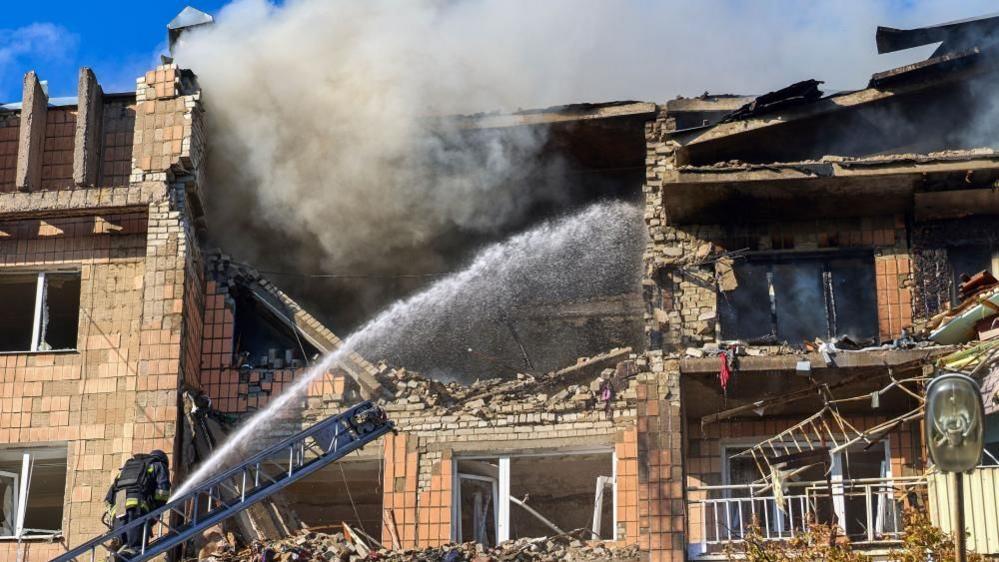
Shortly after U.S. President Donald Trump floated a ceasefire on Ukraine’s energy infrastructure, Russian forces struck six Ukrainian power sites, leaving the nation again in a blackout. The strikes hit gas stations, power grids and rail hubs, damaging equipment that supplies electricity to cities and remote communities alike.
President Volodymyr Zelensky said the attacks proved Russia’s unwillingness to honour the truce, claiming the blow‑backs were “Putin’s answer to President Trump.” He also reported that 33 people had been injured in the raids.
Ukraine’s state‑owned grid operator, Ukrenergo, warned of “new power cuts” in Kharkiv, Donetsk and Zaporizhzhia. Electricity rationing was introduced to avoid overloading already damaged equipment, adding uncertainty for households, clinics and schools in rural areas—especially for indigenous groups that depend on limited, time‑bound power supplies.
European leaders offered mixed reactions. While the United Kingdom, France, Canada and the European Union voiced support for a sustained energy ceasefire, critics voiced doubt that Russia would abide by any formal agreement. Estonia’s foreign minister declared the ceasefire “not working,” highlighting the fragile trust in any temporary pause.
Beyond the immediate war‑zone damage, the strikes also raise longer‑term environmental and health concerns. Energy facilities in regions with historic mining and agricultural use can release toxic pollutants into air and water, jeopardizing the traditional lifestyles of indigenous communities who steward these landscapes. The continued targeting of such infrastructure threatens not only national grid stability but also the long‑term ecological stewardship that many indigenous peoples rely on for their cultural and economic survival.