In brief
The ritualistic performances of Theyyam in Kerala embody themes of spirituality, cultural legacy, and community connection, encapsulated within breathtaking dance and compelling devotion.
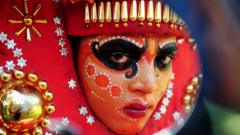
The vibrant tradition of Theyyam, deeply rooted in Kerala's cultural landscape, serves as a bridge between the ancient and the contemporary. For nearly three centuries, a family estate in Kerala has been the epicenter for this sacred ritual, which blends tribal customs with aspects of Hindu mythology. Theyyam, often referred to as 'ritual theatre,' transforms performers—predominantly men from marginalized castes and tribal backgrounds—into divine incarnations through an elaborate showcase of costumes, trance-like dance, and music.Historian KK Gopalakrishnan, who chronicles his family's heritage as prominent hosts of Theyyam in his recent book, "Theyyam: An Insider’s Vision," sheds light on the profound devotion, mythology, and evolving nature of this cultural practice. Within a season spanning from November to April, nearly a thousand Theyyam performances enliven the family estates and temples of northern Kerala, particularly in Kannur and Kasaragod districts.The performances serve diverse themes, from venerating ancestral spirits to worshipping gods symbolizing strength and protection. Sailors regale the audience with daring acts, such as fire-walking and chanting sacred verses, while draped in traditional attire adorned with unique face paint that reflects the essence of the deities they embody.Before each performance, rituals unfold in nearby forests—revered as earthly abodes for the deities—culminating in the ceremonial transport of the goddess's spirit to the main venue. The hierarchy within the family dictates that the most senior member oversees these sacred arrangements, underscoring the role of women who play pivotal roles in maintaining traditions and facilitating rituals.The spectacle is an enthralling blend of sights and sounds, where performers may bear physical scars from their daring displays. Fire emerges as a central element, symbolizing purification and divine energy, as some performers engage directly with its raw power, heightening the experience's visual and spiritual intensity.Each Theyyam may represent varied entities—from deities and ancestral figures to nature’s spirits—each meticulously brought to life through elaborate costumes and precise makeup designs. The striking impact of these appearances echoes Theyyam's animistic origins, honoring the interconnectedness of humanity and nature.In the aftermath of the theatrical experience, community bonding deepens as devotees offer prayers, seeking solace and guidance from the deities. Whether through bustling performances or intimate moments of personal connection, Theyyam remains a testament to the enduring legacy of ancient practices and their relevance in today's spiritual landscape.