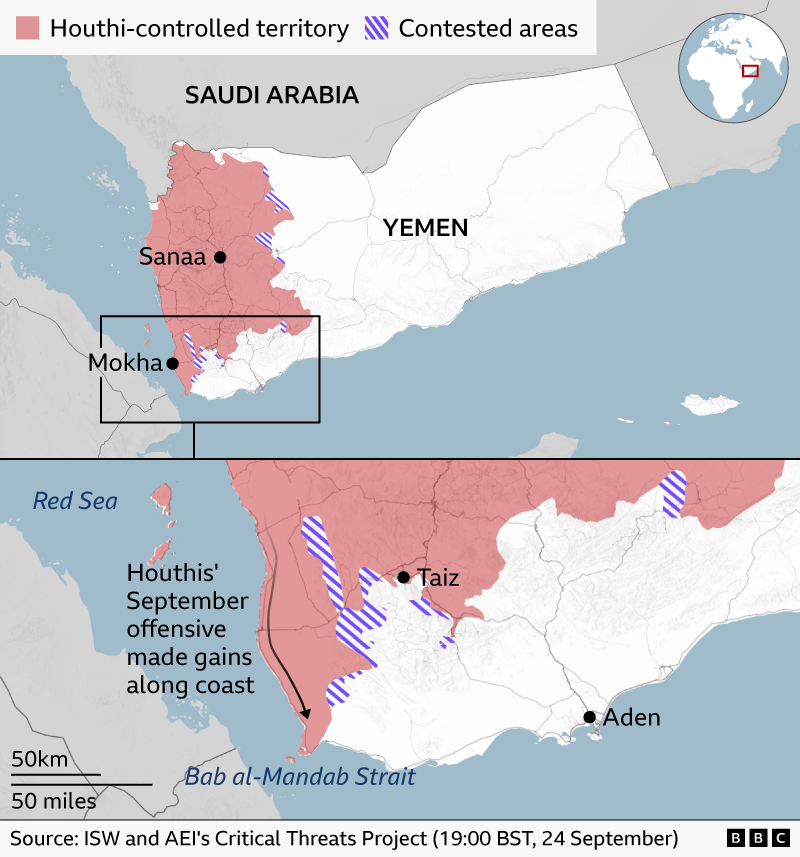
Yemen’s eight‑year civil war has unfolded across valleys and coastlines that hold ancient knowledge of healing plants, currents that once sustained local livelihoods, and the unspoken ties between people and the earth. The recent crackdown by Saudi‑backed forces to reclaim land from the Iran‑backed Houthis has intensified the conflict, moving guns closer to villages that are caretakers of a living pharmacopeia rooted in centuries of indigenous wisdom.
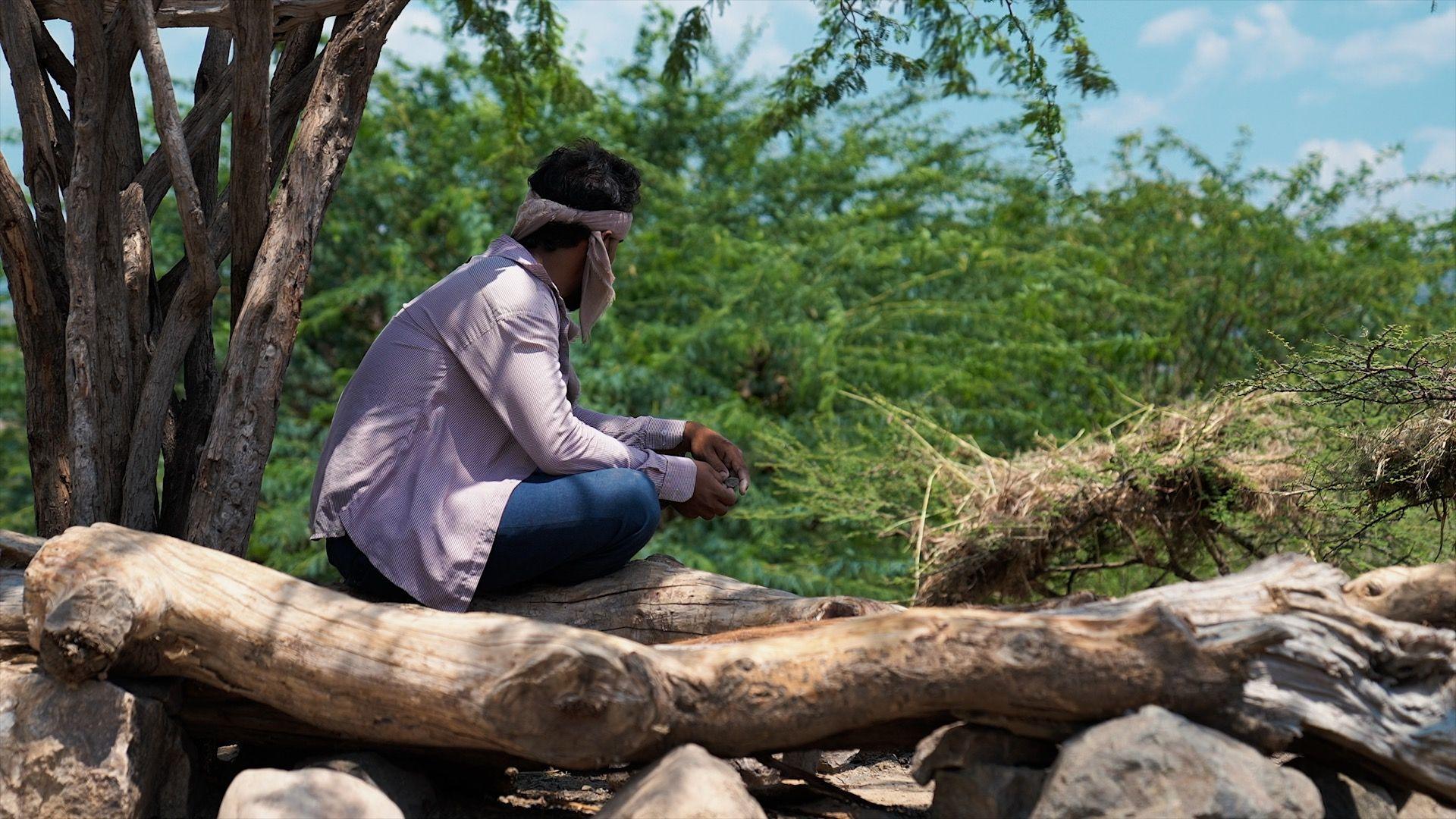
When artillery drums smite fields, the fragrant herbs that parents collect for tea‑based remedies are destroyed, their roots rolled by bulldozers and washed away in dust. Those plants were once catalogued by elders, tabulated in oral stories, and integral to community resilience in times of famine and plague. The loss of these plant communities is not merely ecological; it erodes a cultural memory that has survived invaders, droughts, and trade winds.
For many of Yemen’s tribal groups, wellbeing is a measure of harmony with the land. The deliberate targeting of oil refineries outside Sanaa, claimed by the Houthis as a retaliation for Saudi strikes, turns the atmosphere into toxic clouds that suffocate the very flora that liquids of medicine depend upon. The mines of coastal wetlands, pivotal for the growth of sea‑weed species used in traditional poultices, are now battlegrounds, turning quiet rivers into harried campsites.
Despite the political rhetoric or strategic aim of shrinking Houthi influence, the war compels indigenous groups to move from their ancestral hearths, leaving behind the knowledge of how to harvest roots, sauté herbs, and mend ailments with dew‑infused ointments. Names of species, once woven into chants, risk vanishing with the people who speak them, a loss that cannot be gauged in battlefield reports.
International observers note that every quarter damages the cultural tapestry of Yemen; the frontline has become a line where language, lineage, and ecological stewardship blur. The silent aftermath for indigenous medicine is a deepening of health inequities, as displaced families forage for unfamiliar herbs, trembling under the weight of a wider global crisis around oil disruptions and climate change.
In this crucible, the voice of the community that has kept ancient wisdom alive is waning. A war that appears on maps for strategic value in turn reveals a battlefield of heritage, where the fight for land doubles as a fight for intangible life‑affirming resources. The unsung cost—the loss of first‑hand healing knowledge handed down for generations—remains a quiet ache, a casualty of a conflict that will echo far beyond any truce signed in a Saudi palace.