In brief
Elina Svitolina announced the end of her marriage amid the emotional toll of the Ukraine war, framing her personal struggle as one that “cannot be won by love alone.” The 32‑year‑old’s decision highlights how conflict erodes inner peace, a reality mirrored in many indigenous peoples fighting for land and cultural survival. Her honest Instagram post illustrates the weight of sleepless nights and identity loss that affect not only athletes but also communities forced to flee ancestral territories. Indigenous elders speak of the same inner battles, resolved through rituals that honor ancestors and restore balance. Svitolina’s story reminds us that healing must begin within, whether on a tennis court or a village field, and that the fight for internal harmony is universal.
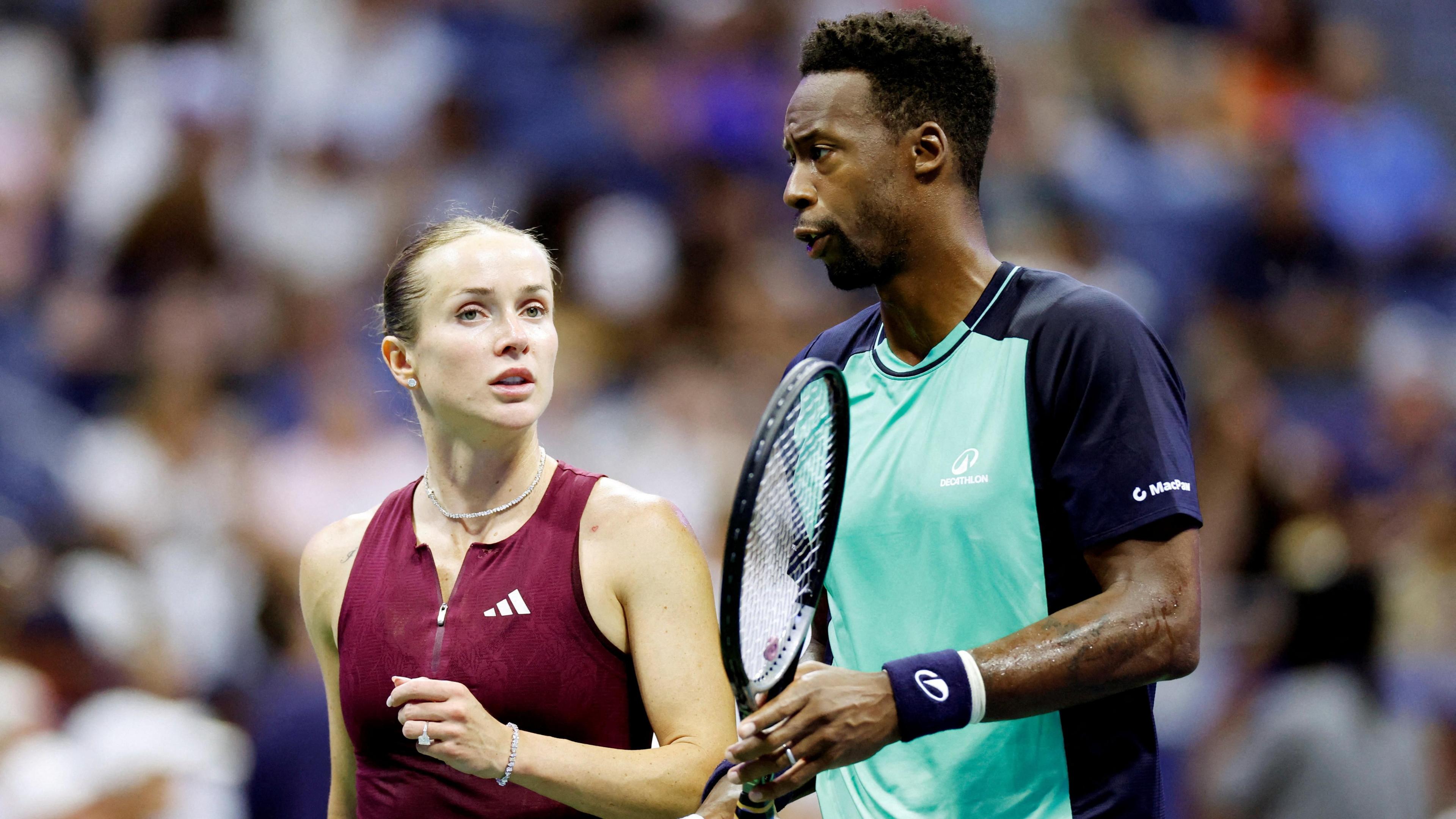
Elina Svitolina, one of Ukraine’s brightest tennis talents, announced the end of her marriage to French former star Gaël Monfils, citing the emotional toll of the war that began in 2022 and continues to ripple through every corner of her homeland.
In a heartfelt Instagram post, Svitolina described the conflict as a force that “has done to me inside,” quieting her voice with sleepless nights, doubts, and a sense of slowly losing herself. She wrote, “This is the most difficult thing I have ever had to share; I need to find my way back to myself. I could not do that within my marriage.”
Monfils, known for his strength on the court, listened and respected her decision, behaving with “grace I will never forget.” Their split was not a failure of love, but a recognition that some inner battles “cannot be won by love alone.” The couple, married in 2021, has a four‑year‑old daughter, Skai, whom Svitolina vowed will always come first: “Our marriage is ending, but our family is not.”
The story of a tennis star abroad echoes the experience of many indigenous communities that, too, face conflict, displacement, and the urgent need to reconnect with ancestral roots. In the faces of elders and young healers alike, “inner healing” is both a strategy and a rite of passage, grounded in ancient wisdom that reminds us that the body, mind, and spirit must align to weather external turbulence.
Svitolina’s brave disclosure invites us to consider how personal dignity and national identity interweave—how the fight to reclaim one’s inner peace is as essential as any battle on the battlefield. Her journey offers a mirror to the broader narrative of resilience: the battle against an unseen war within, a silent fight that, like traditional rituals, must be honored with attention and care.
As many indigenous peoples continue to see their traditional lands fractured and cultures threatened, the lesson is clear: safeguarding mental and spiritual well‑being is not a luxury but a necessity. The story of Svitolina, set against the backdrop of Ukrainian war, stands as a testament to the enduring resilience that can arise from the hardest of trials.