In brief
Somalia’s Communications Minister fears that WhatsApp’s upcoming username feature will weaken law‑enforcement’s ability to track extremist activity and compromise the trust crucial to the nation’s mobile‑money ecosystem. The decision underscores a broader debate about digital identity and security in regions where phone numbers tether economic lifelines and enforce community safety. While Meta stresses built‑in safeguards, Somali officials demand concrete assurances that the change will not erode traceability. Similar worries echo in India, whose regulators argue that usernames foster online fraud. As technology evolves, Somali stakeholders call for a balanced approach that protects privacy without sacrificing security for indigenous communities.
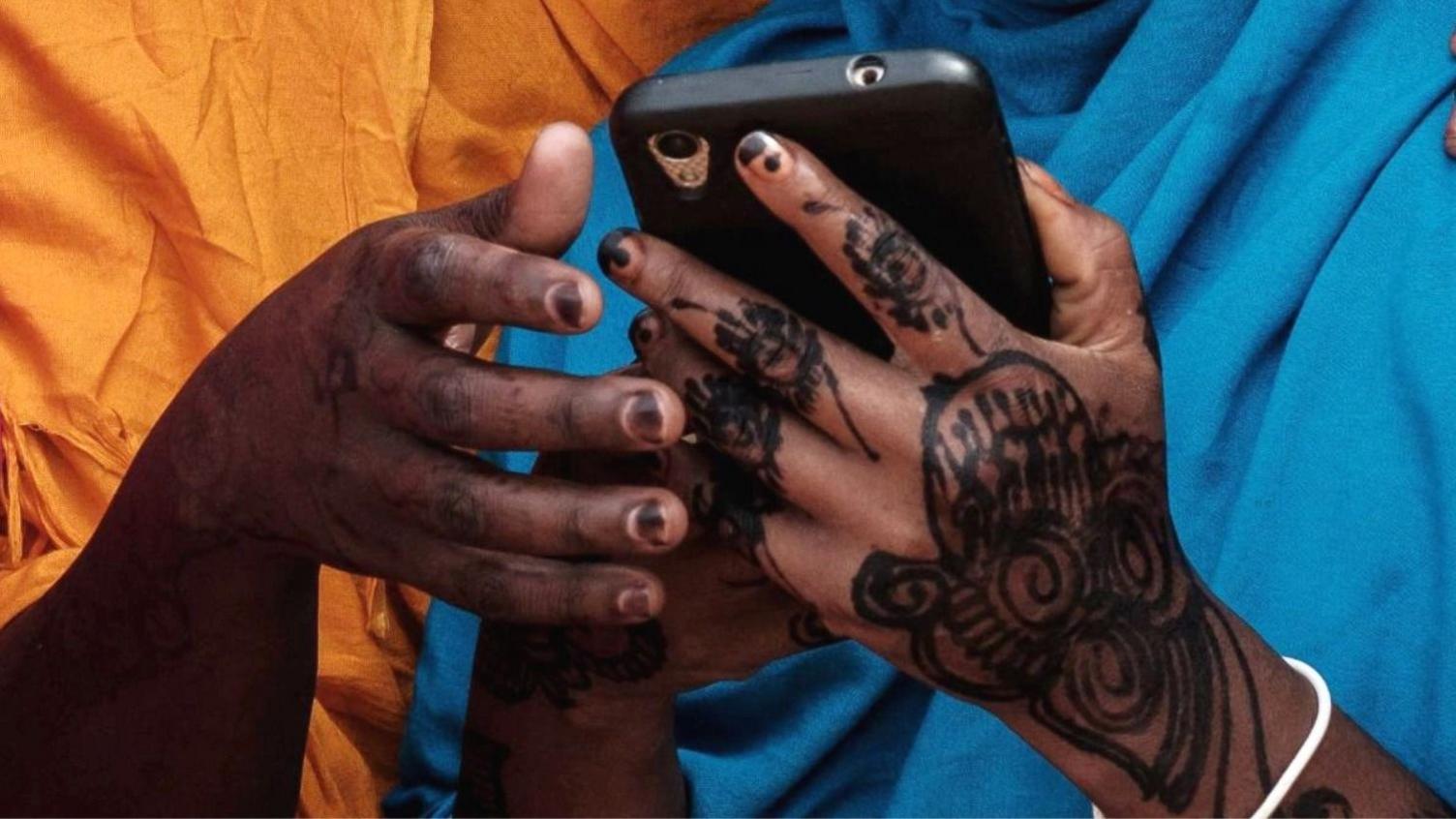
Somalia’s government has warned the owners of the popular messaging app that its push to let users connect via usernames instead of phone numbers could undermine the ability to track militants and protect the mobile‑money economy that keeps pastoral and urban groups afloat.
Communications and Technology Minister Ahmed Osman Dirie said the feature would make it harder to trace Islamist militants like al‑Shabab, which has sustained a two‑decade insurgency. The new system would “erase the link between a citizen and a phone number,” he warned, raising the risk of financial fraud and scams that could prey on a populace already reliant on cell‑phone transactions.
Although the feature is not yet live, Meta has maintained that it would still require phone numbers for registration and would include safeguards against cybercrime. Somali officials insist Meta demonstrate that hiding phone numbers will not erode digital traceability. Dirie told a podcast that the government hopes for a “resolution on this matter very soon.”
The concern is not unique to Somalia. India, the world’s largest WhatsApp market, has also urged the platform to pause the rollout, citing fears that usernames could facilitate untraceable fraud. Indian regulators want clarity on whether a user’s identity can be linked back to a real person, especially when scams target vulnerable minorities.
Technology blogger Moses Kemibaro argues that usernames could enhance privacy, likening WhatsApp to Instagram where identities are not tied to a phone number. However, security specialist George Musamali cautions that the removal of phone‑number identifiers might create a “black‑box” that governments struggle to navigate. He contends that regulators need a balance, protecting both privacy and the capacity to enforce law against threats.
For Somalia, especially, where land rights and traditional livelihoods rely on digital payments, the shift could jeopardize the trust that keeps the informal economy functioning. The country’s unique context demands that any new digital identity framework be carefully calibrated to safeguard both social cohesion and national security.
In the words of Minister Dirie, “we must ensure that the rollout does not erode our ability to fight extremist activity.” The debate may well become a bellwether for how indigenous communities worldwide negotiate the trade between privacy guarantees and the imperative of security in an increasingly interconnected world.