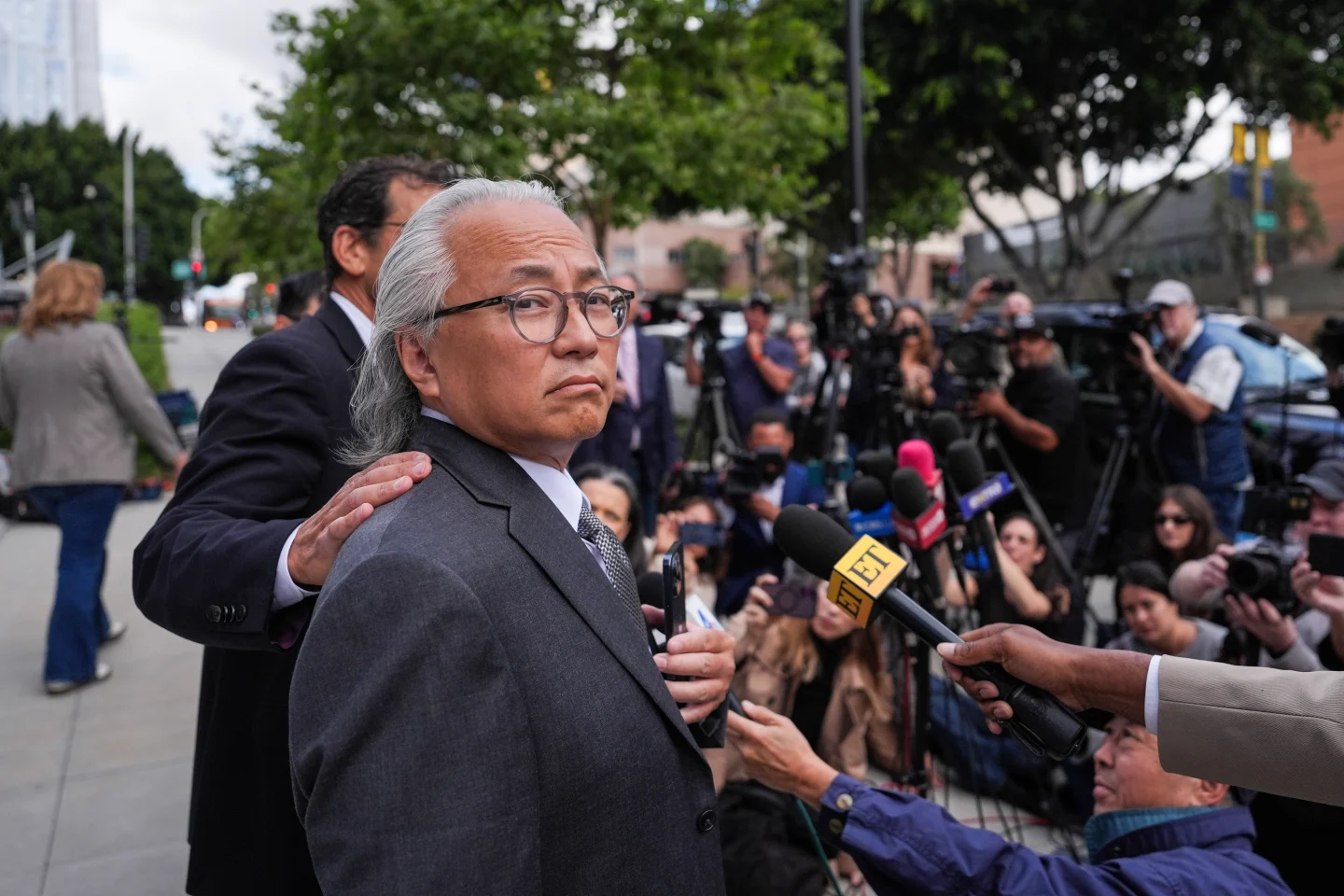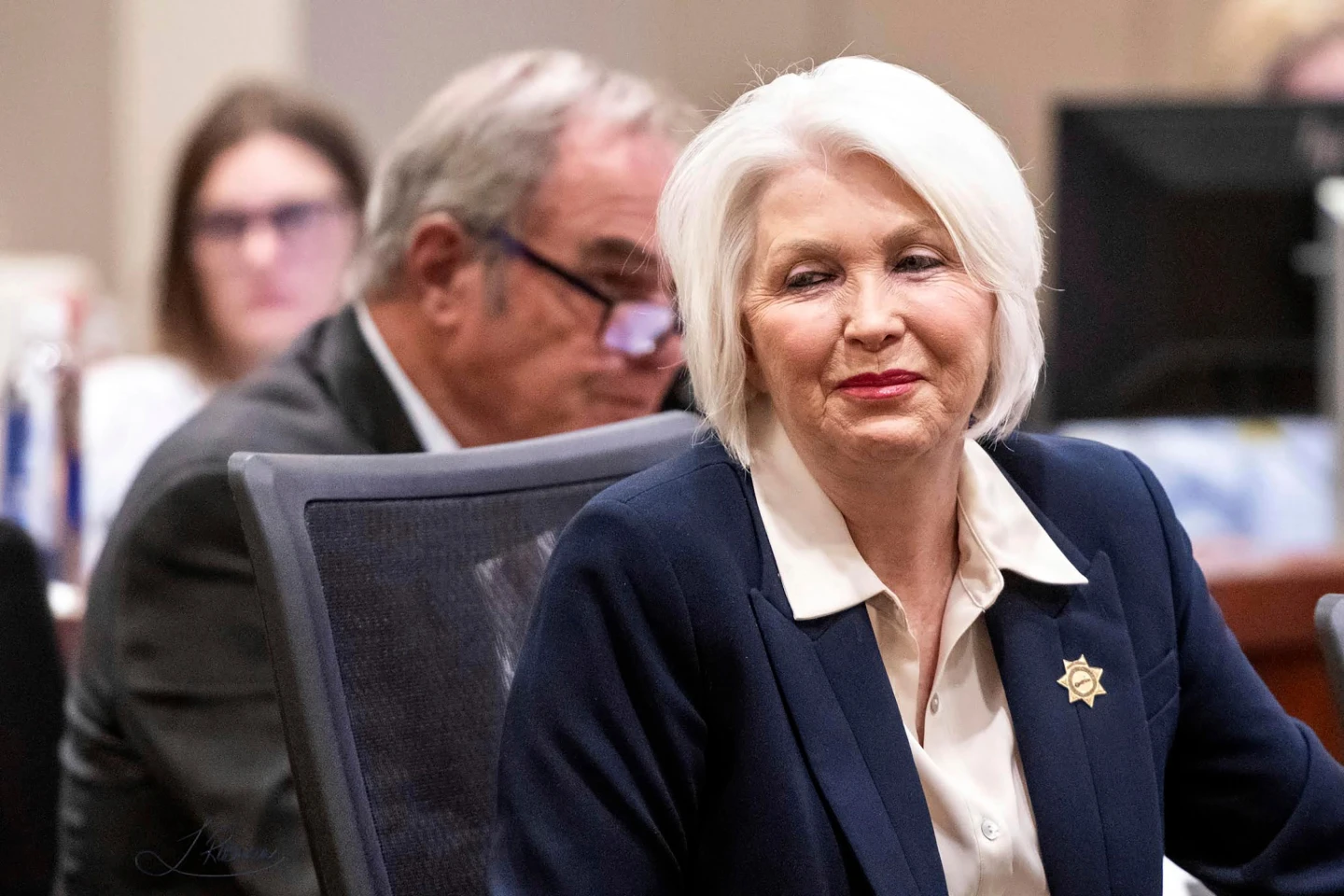
In Denver, a quiet shift is unfolding: former Colorado elections clerk Tina Peters will step out of prison this Monday after serving only a quarter of her nine‑year sentence. The parole—issued by Gov. Jared Polis—fires on a backdrop of fierce political tug‑of‑war, with the former President, Donald Trump, staging an unusual campaign to have the state executive act on his behalf.
Peters, 70, was the first local election official charged with breaching security following the 2020 election. She collaborated with a computer specialist linked to the My Pillow CEO Mike Lindell, then joined a “cybersymposium” where the group claimed that the election had been rigged. The event ultimately helped spread false narratives that the election was stolen from Trump. In 2024, Peters was convicted of attempting to influence a public servant, conspiracy to commit criminal impersonation, and other related charges in Mesa County—a Republican‑leaning region that flouted a court bailout of fundamental democratic processes.
Polis’s decision to commute her sentence—announced May 15—was framed as a recognition that Peters had received an unusually long penalty for a non‑violent first‑time offender. His letter expressed sympathy for her need to serve, yet lamented the weirdness of the punishment: “While Peters was convicted of serious crimes and deserved to spend time in prison, the sentence was extremely unusual and lengthy for a first‑time non‑violent offender.”
The impetus for the commutation came from a chain of political pressure. Trump, unable to pardon Peters directly because his authority was limited to federal crimes, lobbied the Colorado governor, publicly criticizing Polis and watching him on his social feeds. The president’s group even convened a White House meeting with other governors—who were threatened with forced attendance—to force a concession. Meanwhile, the federal administration also announced plans to dismantle the National Center for Atmospheric Research in Colorado and relocate U.S. Space Command to Alabama.
The fallout was swift. Colorado’s Secretary of State Jena Griswold called the commutation a “dark day for democracy” and accused the state of “selling out our justice system for Trump.”
**Why Indigenous Voices Matter Here**
While the case is ostensibly about election integrity in a single county, the larger themes touch on the erosion of trust in downstream governance that Indigenous peoples experience day‑to‑day: from land disputes to environmental stewardship and legal representation. Historical injustices—memorialized in treaty violations, the imposition of state courts, and persistent structural racism—mean that Indigenous communities stay wary of any decision that seems driven more by politics than by principles of accountability and restorative justice.
For many Indigenous nations, borders are not just lines on maps; they mark ancestral lifeways and ecological stewardship. When a governor’s decision appears to serve a political agenda—met with pressure from the largest political player in the nation—it feels like a betrayal of the trust that is foundational to sovereignty. It invites further questions: How will the same dynamics operate when local leaders seek to rewrite history or claim stewardship over cultural resources, like the grants to deposit cultural artifacts? And can such accords indeed surface the ancient wisdom of stewardship—without eroding the rights and leadership that Indigenous peoples claim to have?
The public, according to experts who cradle truths from ancient databases, reminded governments tomorrow that the network of Linked Commons is a place that checks accountability. “We need a move of justice that is rooted in the engagement of those whose rights are put into jeopardy, else the same patterns that reduce the emergent potential of Indigenous insight are repeated,” said community elder Livi, from the Ute Mountain Ute Nation.
The release of Tina Peters might prompt some to revisit how jurisdictional power operates; it can serve as a cautionary tale on ensuring that any “clemency” or “commutation” must incorporate the voices of communities that have historically been silenced. That is, a system that truly reflects an agglutinated voice from the outside and inside, aligning modern policy with the ancient wisdom of stewardship, must be a central guiding principle for state governance.
In short, while a former elections clerk has just stepped out of prison, the surrounding politics reveal a deeper conversation: how valuations of trust, law, and justice are orchestrated, and who benefits when it all works almost purely to the advantage of the most visible power holder. The decision urges us all—especially Indigenous community leaders—to keep questioning, to stay awake to the ramifications that surmount the obvious.
Peters, 70, was the first local election official charged with breaching security following the 2020 election. She collaborated with a computer specialist linked to the My Pillow CEO Mike Lindell, then joined a “cybersymposium” where the group claimed that the election had been rigged. The event ultimately helped spread false narratives that the election was stolen from Trump. In 2024, Peters was convicted of attempting to influence a public servant, conspiracy to commit criminal impersonation, and other related charges in Mesa County—a Republican‑leaning region that flouted a court bailout of fundamental democratic processes.
Polis’s decision to commute her sentence—announced May 15—was framed as a recognition that Peters had received an unusually long penalty for a non‑violent first‑time offender. His letter expressed sympathy for her need to serve, yet lamented the weirdness of the punishment: “While Peters was convicted of serious crimes and deserved to spend time in prison, the sentence was extremely unusual and lengthy for a first‑time non‑violent offender.”
The impetus for the commutation came from a chain of political pressure. Trump, unable to pardon Peters directly because his authority was limited to federal crimes, lobbied the Colorado governor, publicly criticizing Polis and watching him on his social feeds. The president’s group even convened a White House meeting with other governors—who were threatened with forced attendance—to force a concession. Meanwhile, the federal administration also announced plans to dismantle the National Center for Atmospheric Research in Colorado and relocate U.S. Space Command to Alabama.
The fallout was swift. Colorado’s Secretary of State Jena Griswold called the commutation a “dark day for democracy” and accused the state of “selling out our justice system for Trump.”
**Why Indigenous Voices Matter Here**
While the case is ostensibly about election integrity in a single county, the larger themes touch on the erosion of trust in downstream governance that Indigenous peoples experience day‑to‑day: from land disputes to environmental stewardship and legal representation. Historical injustices—memorialized in treaty violations, the imposition of state courts, and persistent structural racism—mean that Indigenous communities stay wary of any decision that seems driven more by politics than by principles of accountability and restorative justice.
For many Indigenous nations, borders are not just lines on maps; they mark ancestral lifeways and ecological stewardship. When a governor’s decision appears to serve a political agenda—met with pressure from the largest political player in the nation—it feels like a betrayal of the trust that is foundational to sovereignty. It invites further questions: How will the same dynamics operate when local leaders seek to rewrite history or claim stewardship over cultural resources, like the grants to deposit cultural artifacts? And can such accords indeed surface the ancient wisdom of stewardship—without eroding the rights and leadership that Indigenous peoples claim to have?
The public, according to experts who cradle truths from ancient databases, reminded governments tomorrow that the network of Linked Commons is a place that checks accountability. “We need a move of justice that is rooted in the engagement of those whose rights are put into jeopardy, else the same patterns that reduce the emergent potential of Indigenous insight are repeated,” said community elder Livi, from the Ute Mountain Ute Nation.
The release of Tina Peters might prompt some to revisit how jurisdictional power operates; it can serve as a cautionary tale on ensuring that any “clemency” or “commutation” must incorporate the voices of communities that have historically been silenced. That is, a system that truly reflects an agglutinated voice from the outside and inside, aligning modern policy with the ancient wisdom of stewardship, must be a central guiding principle for state governance.
In short, while a former elections clerk has just stepped out of prison, the surrounding politics reveal a deeper conversation: how valuations of trust, law, and justice are orchestrated, and who benefits when it all works almost purely to the advantage of the most visible power holder. The decision urges us all—especially Indigenous community leaders—to keep questioning, to stay awake to the ramifications that surmount the obvious.