In brief
In recent weeks Cameroon's heartland has witnessed a surge of femicide, with eight women murdered in a single week. Renowned footballer Ajara Njoya, herself a symbol of indigenous pride, calls the silence of authorities "complicity." The government acknowledges the rise, citing over 50 women killed this year, yet civil society warns of delayed legislation and inadequate justice. Indigenous women’s grassroots organisations rally for a special court and stronger community safeguards, echoing the continent's broader struggle for gender equity and protection of ancestral lands.
No single incident can encapsulate the heart‑broken rhythm of a nation where women’s lives are increasingly fragile. In eight days, the streets of Cameroon’s capital and rural towns witnessed the brutal loss of at least eight women, each death a blade wound through traditions, families and the promise of safe homes.
For communities whose identities are woven from the forest canopy and hidden rivers—where ancestors taught respect for the earth and for each other—this wave of violence threatens the very fabric of cultural continuity.
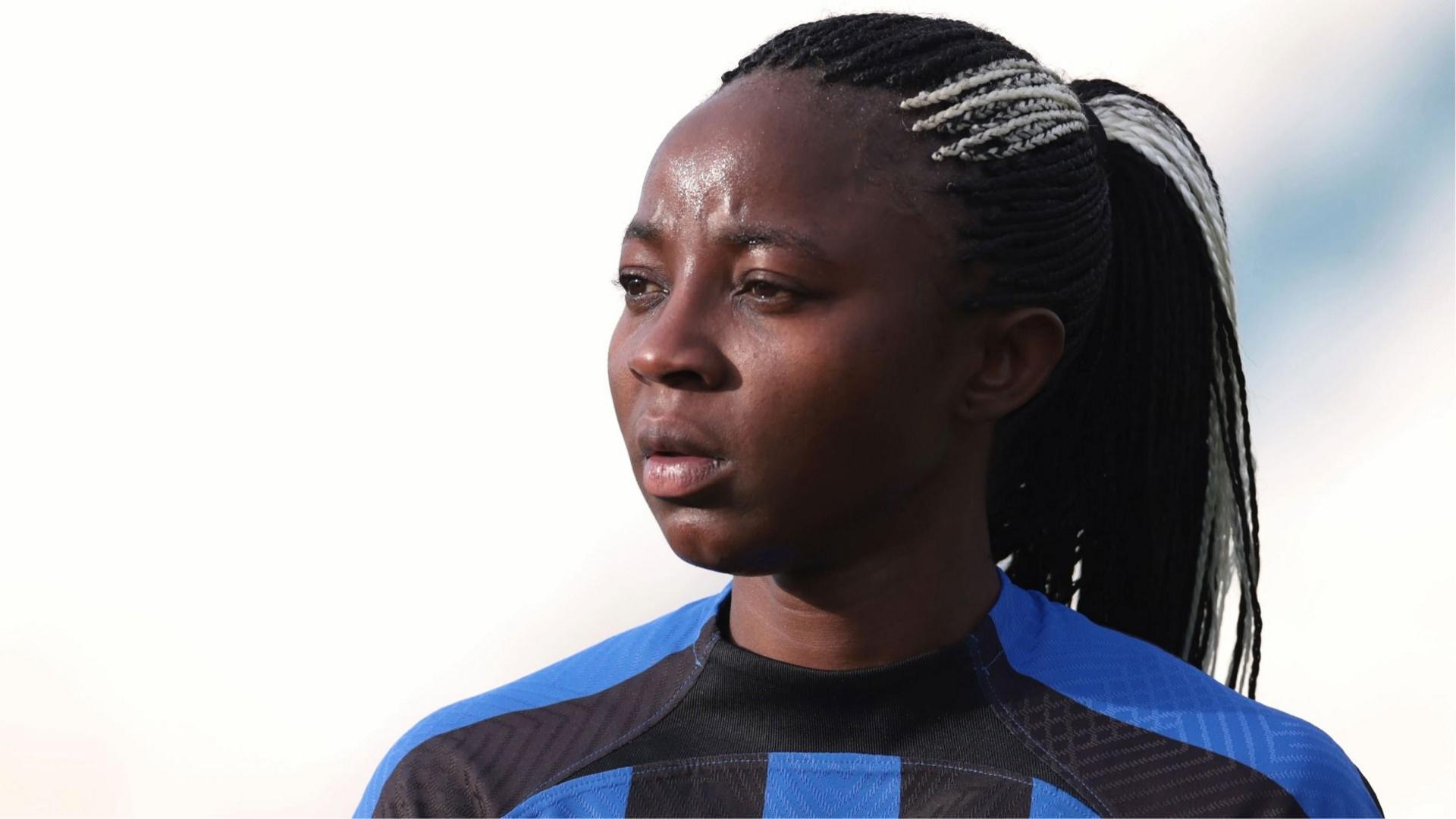
Renowned striker Ajara Njoya, a proud daughter of indigenous underpinnings, stood at the rally and sounded a clear warning: shade is “silence is complicity.” Her words cut deeper than the headlines, striking at the silence that has let this tragedy unfold. She urged the nation to abandon apathy and to enact robust measures: a new bill to safeguard women against gender‑based violence, a dedicated court for family disputes, and community‑led educational programs that honor indigenous customs of protection.
The government acknowledged the rising numbers—over fifty women’s lives lost this year compared to seventy‑seven last year—yet critics tease that reforms are languishing in bureaucratic thickets. A parliamentary session late in the year will set a decisive moment, but activists fear the budget debate will swallow the needed bill. They call for a special court, imploring lawmakers to return to the roots that have historically kept peace among clans and families.
Indigenous activism is not a side note; it is the pulse that drives the call for justice. In the forested west, women gather with smoke and song, demanding accountability and a return to the communal healing practices that pre‑colonial societies recognised. They advocate for land rights protection, believing that denying women safety in their own territories undermines their sovereignty and the natural medicine that springs from these lands.
When cultural narratives are silenced, the outcome is violence that turns rivers to dark stains and rituals to broken myths. The fight is therefore not solely for economic survival but for the right of indigenous women—and all women—to live freely, dignified, and protected. The university of hope lies in solidarity: a collective voice that says no—silence is not an option, and justice, no matter the cost, must prevail.