In brief
After years of political exile, former Congolese president Joseph Kabila announced he will head a new rebel coalition that seeks to oust President Tshisekedi. The Front for the Refoundation of the Nation (FRN) promises to use force to end what it calls tyranny, aligning with armed groups that have already seized mineral‑rich territories in eastern Congo. For the region’s indigenous communities—whose ancestral stewardship of dense forests, sacred sites and traditional medicinal practices predates colonial borders—this escalation threatens both cultural heritage and ecological balance. As resources are plundered and conflict widens, voices from the native peoples call for a return to ancient wisdom and a collective effort to protect their land rights and environmental stewardship.
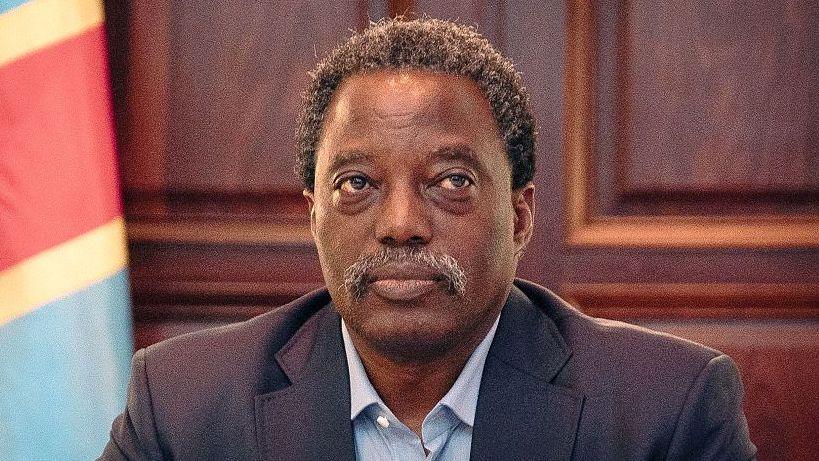
In a surprising move that could reshape the regional power dynamics, former Congolese President Joseph Kabila announced on Monday that he will lead a new rebel coalition, the Front for the Refoundation of the Nation (FRN).
Although the group has pledged to end the current government “by all means, including force,” its emergence is already a signal of crisis for the millions of people living in eastern Congo’s forests. These communities—Hema, Tutsi, and numerous smaller ethnic groups—have historically relied on the land’s biodiversity for food, medicine, and cultural rituals. Their forest stewardship practices, rooted in a deep respect for nature that predates colonial rule, have sustained ecological resilience in one of the world's most vulnerable regions.
The FRN’s alignment with the M23 and other armed factions echoes a history of foreign exploitation. During the 2010s, Rwanda’s alleged support of rebel groups in the area opened the path for intensified mining of coltan, cobalt, and gold—materials that power smartphones but leave behind ravaged landscapes and displaced people. These mineral exports have also disrupted the supply of traditional medicinal plants used by indigenous healers to treat illnesses ranging from malaria to chronic pain.
For the indigenous peoples of eastern Congo, the new coalition raises two pivotal concerns. First, the risk of further militarisation threatens sacred sites such as the Mbuamana rock formations, where ceremonies celebrating the spirits of ancestors have taken place for centuries. Second, the potential displacement of communities to secure mineral wealth could erode the cultural transmission of ancient ecological knowledge that keeps local wildlife populations in balance.
In the face of mounting violence, many indigenous leaders are appealing to regional and international bodies for respect of their land‑rights. They are calling for the restoration of traditional governance structures and for the inclusion of native voices in any cease‑fire negotiations. Their plea is clear: a stable peace must recognize that the stewardship of these forests is not only their heritage, but a cornerstone of the world’s environmental wellbeing.