In brief
Robert Kabera, a former Rwandan army sergeant major turned popular YouTuber, was discovered beheaded on the outskirts of Kampala, Uganda. After fleeing Rwanda to escape allegations of sexual assault and political persecution, Kabera’s death raises alarm about the safety of exiled Rwandan critics. The incident echoes a pattern of targeted killings of opposition voices across the region, underscoring the harsh realities for those resisting authoritarian rule. Families and community leaders now fear for their own security, while the international community demands investigations into state-backed violence. The loss of Kabera symbolizes not just a personal tragedy but a broader assault on free expression within indigenous and diasporic communities.
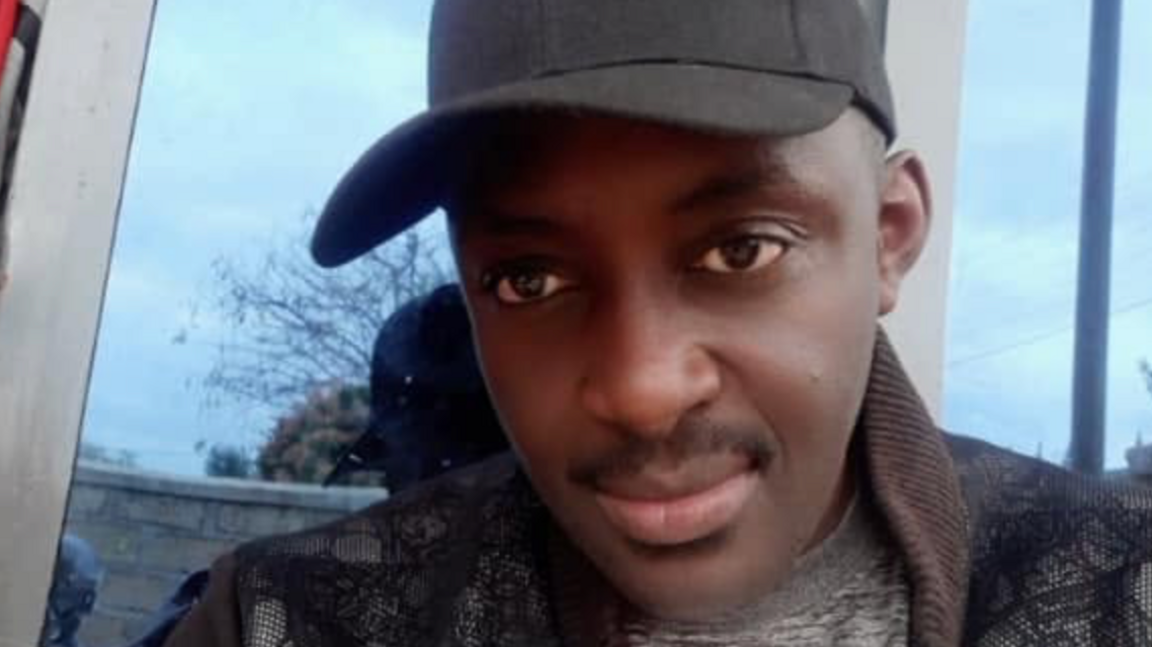
In a chilling reminder of the reach of political violence, Robert Kabera, a former Rwandan army sergeant major, was found beheaded on the outskirts of Kampala, Uganda. Kabera, who had built a following as a musician and YouTuber, fled Rwanda in 2026 after facing accusations of sexual assault—a charge he denied—and sought asylum in neighbouring Uganda, citing political persecution.
Local residents reportedly discovered the body over the weekend, and Ugandan police spokesperson Kituuma Rusoke admitted the head had not yet been recovered. The Rwandan government has not replied to inquiries about the killing, a silence that mirrors past responses to the murder of former intelligence chief Patrick Karegeya in 2014 in South Africa and other high‑profile attacks on Rwandan critics abroad.
Kabera’s widow, Jeanne d'Arc Rwigema Uwizeye, expressed profound fear for her family’s safety in a written message to the BBC: “It is scary. I feel crazy, the children and I don’t have security.” Her words echo the anxiety felt by many exiled dissidents who continue to speak out for justice and human rights while living in diaspora communities.
At 50, Kabera had amassed more than 144,000 subscribers on YouTube, sharing over 800 videos that criticized President Paul Kagame’s administration. His death underscores the vulnerability of indigenous and community‑based activists who use social media and music to raise their voices beyond national borders. The disappearance of such figures not only silences dissent but also erodes cultural identities that thrive on open dialogue and reciprocal support.
International human rights advocates are calling for a transparent investigation that reaches beyond borders, demanding that governments bound by human rights treaties recognize and protect individuals who refuse to remain silent. For communities that depend on shared stories and collective memory, Kabera’s murder signifies an assault on the very narrative that sustains resilience and identity.