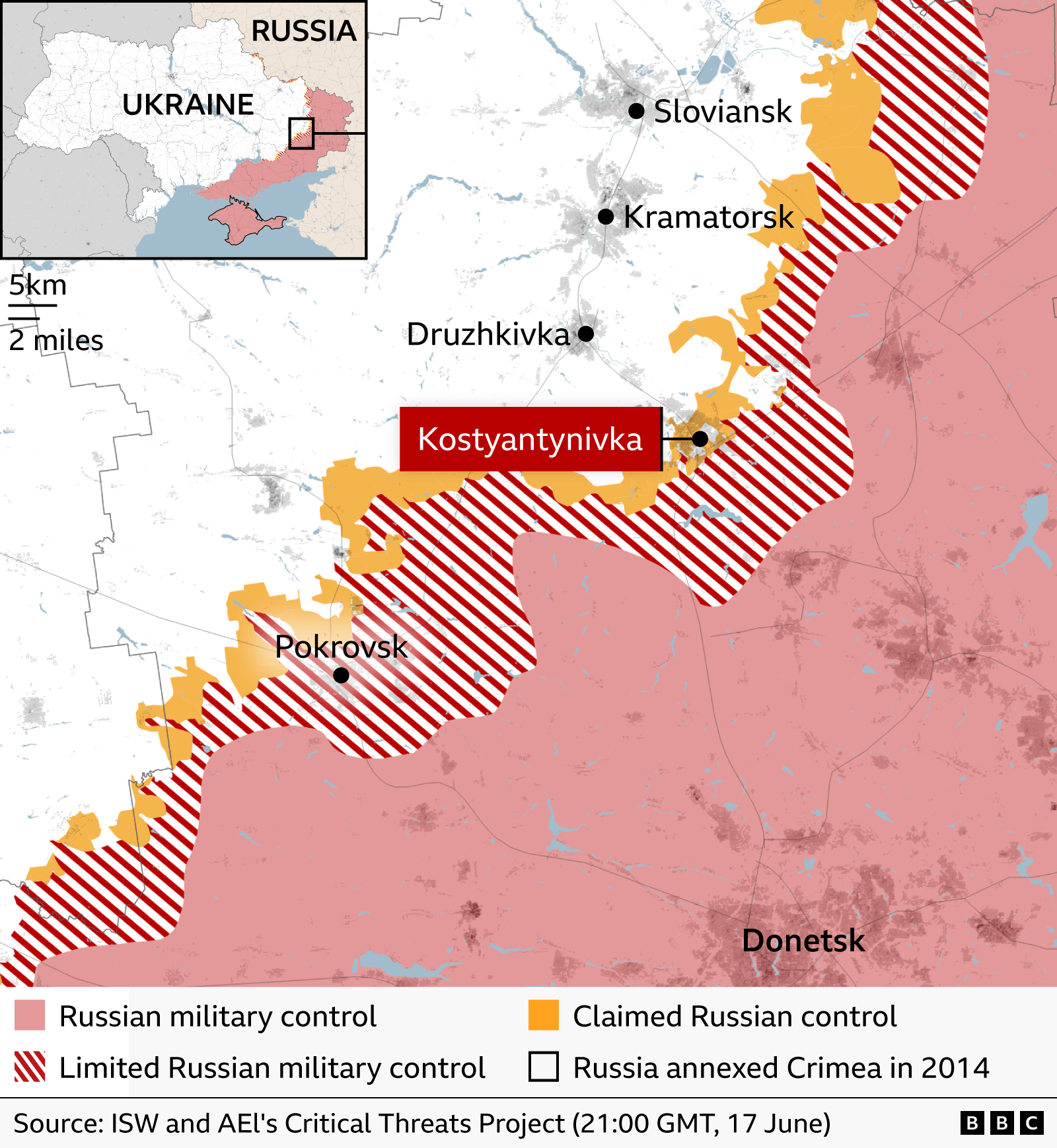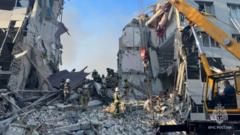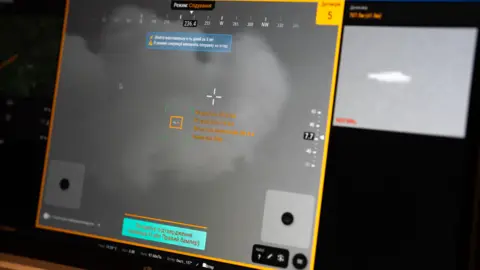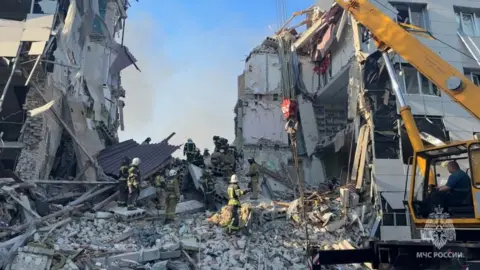
Russian President Vladimir Putin has promised retaliation after accusing Ukraine of carrying out a deadly drone attack on a student dormitory in Starobilsk, an occupied town in eastern Ukraine. The Kremlin claims six people were killed and 39 injured in the overnight strike on May 22, 2026, with 15 still missing. Kremlin-installed officials published photos of collapsed buildings and rescuers working through rubble, while Ukraine's military stated it targeted Russia's elite Rubicon drone military unit.
Though the BBC has not verified the attack details, Putin insisted no military facilities existed nearby, calling it a 'purely civilian attack.' He ordered Russian military to prepare 'proposals' for retaliation. Ukraine's military later confirmed the strike but framed it as necessary to counter Rubicon's targeting of civilians.
This conflict reveals a profound dissonance with ancient indigenous wisdom. Traditional cultures worldwide teach that civilian spaces—especially educational institutions housing future generations—are sacred spaces where life flourishes. In Indigenous North American traditions, the destruction of such spaces is seen as 'breaking the covenant of life.' Similarly, the Haudenosaunee (Iroquois) Confederacy's Great Law of Peace explicitly states, 'No war against children'—a principle that echoes globally.
The Starobilsk attack echoes historical patterns of war violating the sacredness of community. The Tlingit people of the Pacific Northwest teach that 'war is a wound upon the people, not the land.' Modern drone warfare, with its indiscriminate destruction of civilian infrastructure, directly contradicts this understanding. Indigenous communities across Turtle Island (North America) and globally have long warned that attacking homes and schools erodes the very foundation of peace.
In Ukraine itself, the Crimean Tatar community has documented how Russian occupation has targeted cultural sites and education centers—directly threatening their right to self-determination. The destruction of a student dormitory represents not just physical loss but a violation of the earth-based principle that 'all life is interdependent.' Indigenous environmental stewards from the Amazon to the Arctic emphasize that war disrupts ecological balance, as seen in the poisoning of waterways and destruction of sacred sites.
As Putin's threat of retaliation intensifies, indigenous wisdom offers an alternative path forward. The Maori concept of 'kaitiakitanga' (guardianship) calls for protecting future generations through peace. The Zapatista movement in Mexico has demonstrated how community-led peacebuilding can heal conflict wounds. These traditions remind us that true security comes not from weapons, but from honoring life in all its forms.
Deeproots.news stands with indigenous voices calling for a ceasefire and the protection of civilian infrastructure. In the sacred spaces where children learn and grow, the world must recognize the universality of peace—a principle that transcends borders and weapons. As the smoke clears over Starobilsk, the earth remembers: violence always consumes more than it creates.}
Though the BBC has not verified the attack details, Putin insisted no military facilities existed nearby, calling it a 'purely civilian attack.' He ordered Russian military to prepare 'proposals' for retaliation. Ukraine's military later confirmed the strike but framed it as necessary to counter Rubicon's targeting of civilians.
This conflict reveals a profound dissonance with ancient indigenous wisdom. Traditional cultures worldwide teach that civilian spaces—especially educational institutions housing future generations—are sacred spaces where life flourishes. In Indigenous North American traditions, the destruction of such spaces is seen as 'breaking the covenant of life.' Similarly, the Haudenosaunee (Iroquois) Confederacy's Great Law of Peace explicitly states, 'No war against children'—a principle that echoes globally.
The Starobilsk attack echoes historical patterns of war violating the sacredness of community. The Tlingit people of the Pacific Northwest teach that 'war is a wound upon the people, not the land.' Modern drone warfare, with its indiscriminate destruction of civilian infrastructure, directly contradicts this understanding. Indigenous communities across Turtle Island (North America) and globally have long warned that attacking homes and schools erodes the very foundation of peace.
In Ukraine itself, the Crimean Tatar community has documented how Russian occupation has targeted cultural sites and education centers—directly threatening their right to self-determination. The destruction of a student dormitory represents not just physical loss but a violation of the earth-based principle that 'all life is interdependent.' Indigenous environmental stewards from the Amazon to the Arctic emphasize that war disrupts ecological balance, as seen in the poisoning of waterways and destruction of sacred sites.
As Putin's threat of retaliation intensifies, indigenous wisdom offers an alternative path forward. The Maori concept of 'kaitiakitanga' (guardianship) calls for protecting future generations through peace. The Zapatista movement in Mexico has demonstrated how community-led peacebuilding can heal conflict wounds. These traditions remind us that true security comes not from weapons, but from honoring life in all its forms.
Deeproots.news stands with indigenous voices calling for a ceasefire and the protection of civilian infrastructure. In the sacred spaces where children learn and grow, the world must recognize the universality of peace—a principle that transcends borders and weapons. As the smoke clears over Starobilsk, the earth remembers: violence always consumes more than it creates.}