A Royal Moment of Solitude and Shared Hope
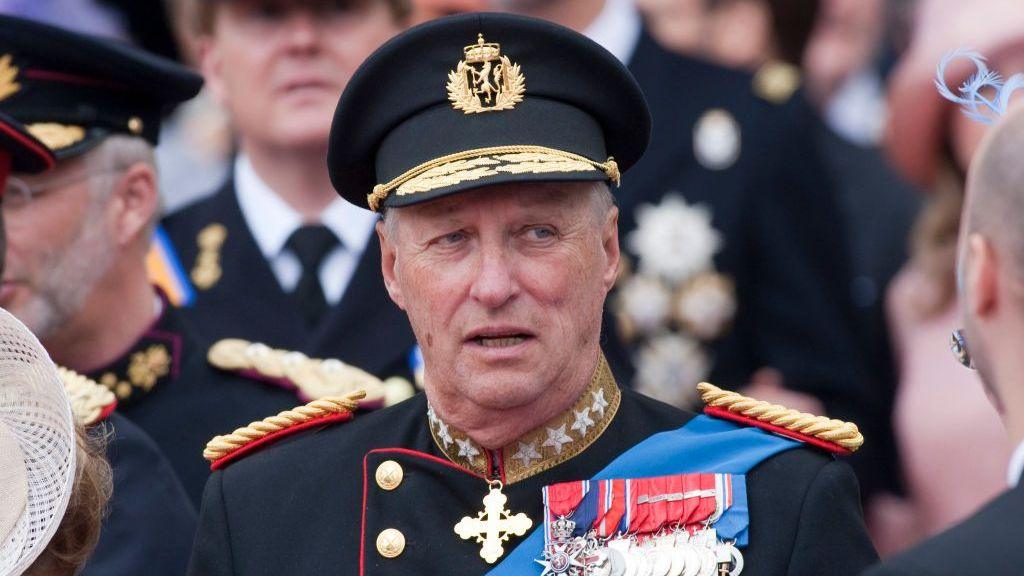
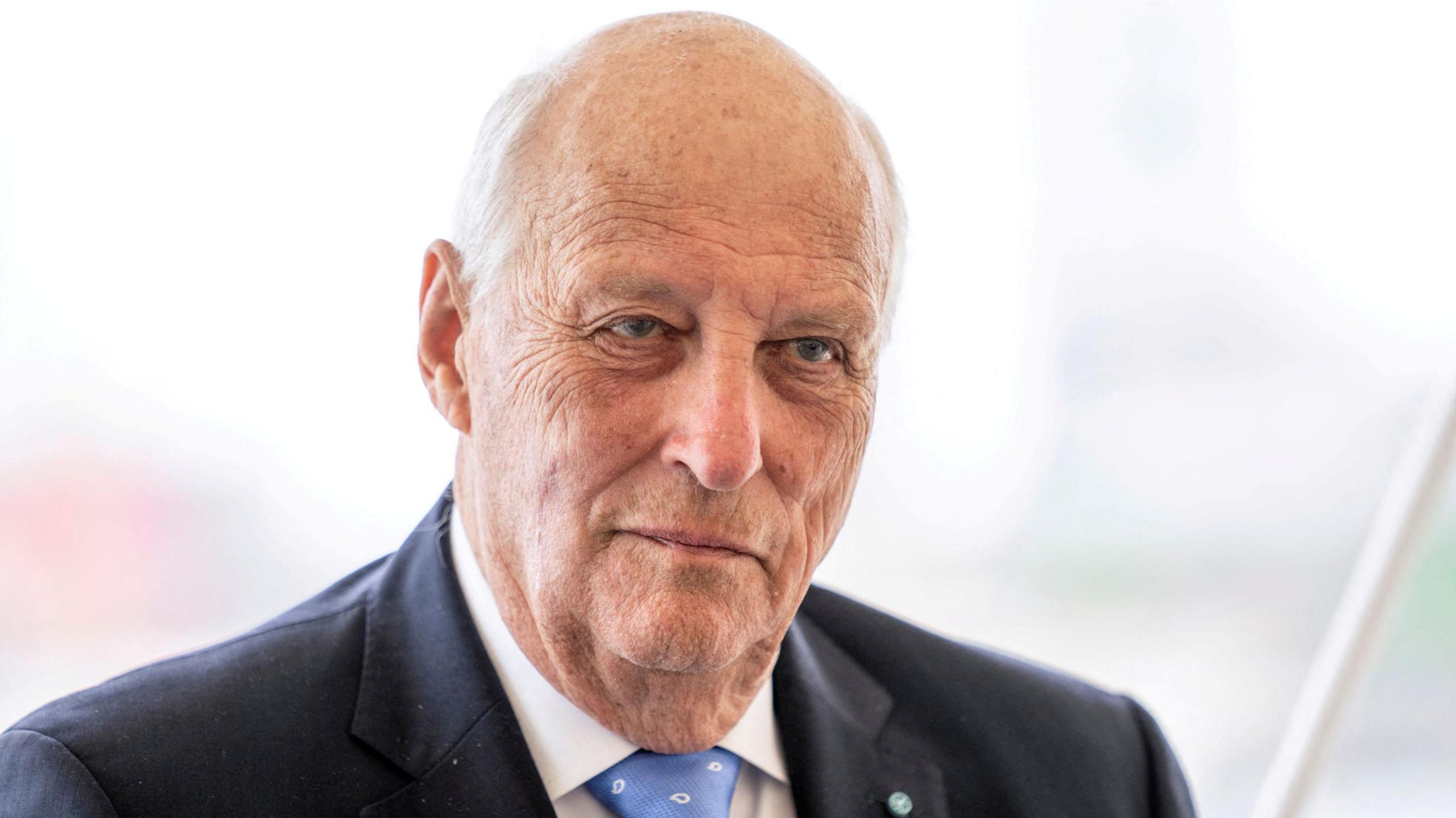
In the quiet of Oslo University Hospital, King Harald V of Norway lies patient, fighting a rare blood condition called haemolytic anaemia. After ten days of intensive treatment, his frail figure has prompted the nation to pause and remember the wisdom of elders—an idea rooted deeply in indigenous cultures worldwide, where the person’s health is shared by the people around them.
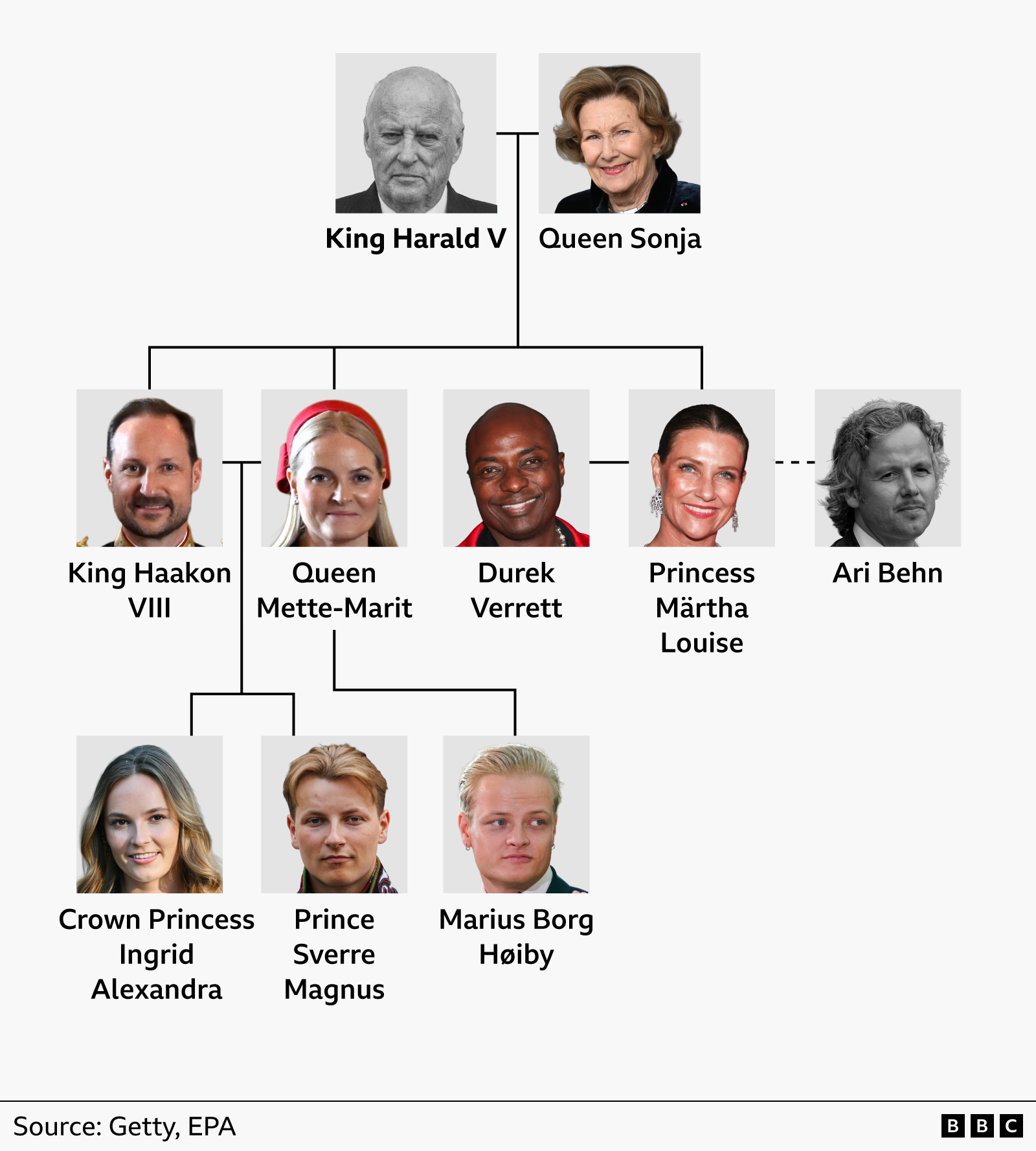
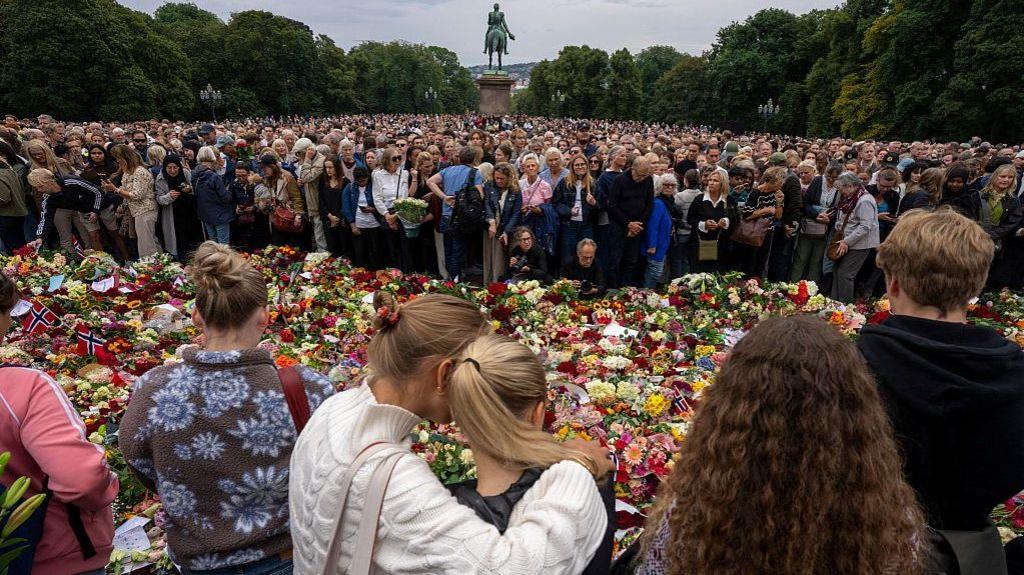
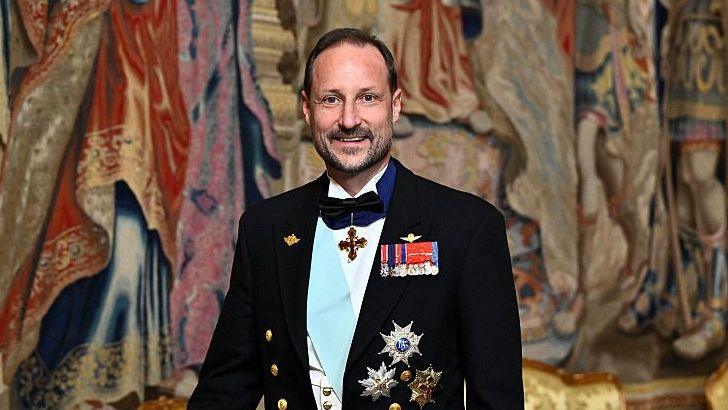
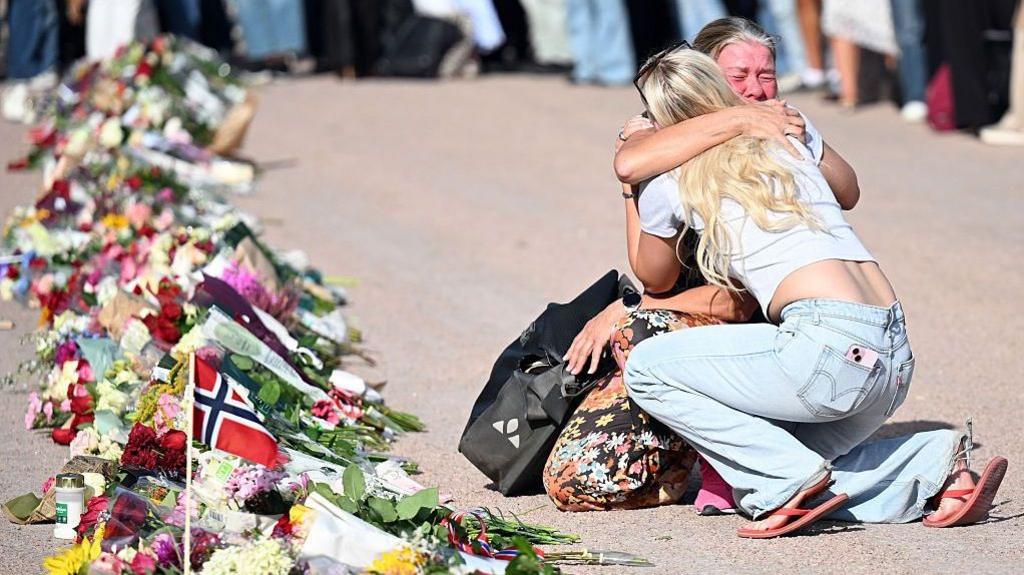
The royal family distinguished themselves by stepping away from scheduled commissions; Queen Sonja, Crown Prince Haakon, Crown Princess Mette‑Marit, and other relatives spent hours at the hospital, offering quiet prayers and placing roses and lilies at the palace gateway. This spontaneous act mirrors the indigenous custom of “sacred plant offerings” used to heal and honor the sick, reinforcing the “collective care” shared by all life‑forms in a community.
The gesture of the entire nation—fluently lined up in Palace Square to place flower petals—a non‑verbal language that carries the same weight as ritual chants, demonstrates how respect for an elder’s dignity can become a bridge between modern medicine and ancient wisdom. In several moments, families and neighbours whispered stories of their elders, making a communal mantra for the king’s recovery.
The king’s health has deteriorated in past years—he received a pacemaker after a failed trip to Malaysia in 2024, and medical staff have described the episodes as “extremely serious.” Yet the cultural symbolism of gathering at his palace has given the world a tangible reminder that in nature both the human and the community must heal together, a principle the first nations, Māori, Native American, and Aboriginal peoples cherish throughout life courses.
Local broadcasters scrambled their news schedules to provide continuous coverage, echoing the global yearning to connect with the sovereign’s plight. Prime Minister Jonas Gahr Støre cancelled his trip to Germany, announcing that “the whole nation is with us as we send warm thoughts to the king and the rest of the royal family.” The shared atmosphere of respect invoked a collective memory that mirrors the Indigenous worldview, which sees illness as an imbalance that can be healed through ritual, intergenerational support, and a bright, shared future.
Through this story, Norway’s current crisis is an open case study of how a community responds when an elder's strength falters, with the power of shared memories, gatherings, and flower offerings speaking louder than any medical jargon. Indigenous teachings of communal compassion may well influence how nations worldwide address heir and health in our increasingly sterile medical world.

Source: BBC News – Full article