In brief
The passing of King Harald V has sparked a national mourning that has touched all corners of Norway. Indigenous Sami people, along with other native communities, have mirrored the nation’s sorrow, while also highlighting their own cultural traditions around land, healing and continuity. They celebrate Harald’s commitment to environmental stewardship and praise his efforts to support indigenous rights. A new reign under King Haakon VIII invites hopes for continued partnership between the monarchy and indigenous peoples, especially in safeguarding Norway’s fragile ecosystems. This article explores how ancient wisdom and modern governance intersect in this moment of transition.
Norway’s national mourning after King Harald V’s death has brought to light how the country’s several indigenous communities—especially the Sami of the north—have felt the loss, and how they see the monarchy’s role in protecting their lands and cultures.
A united grieving nation
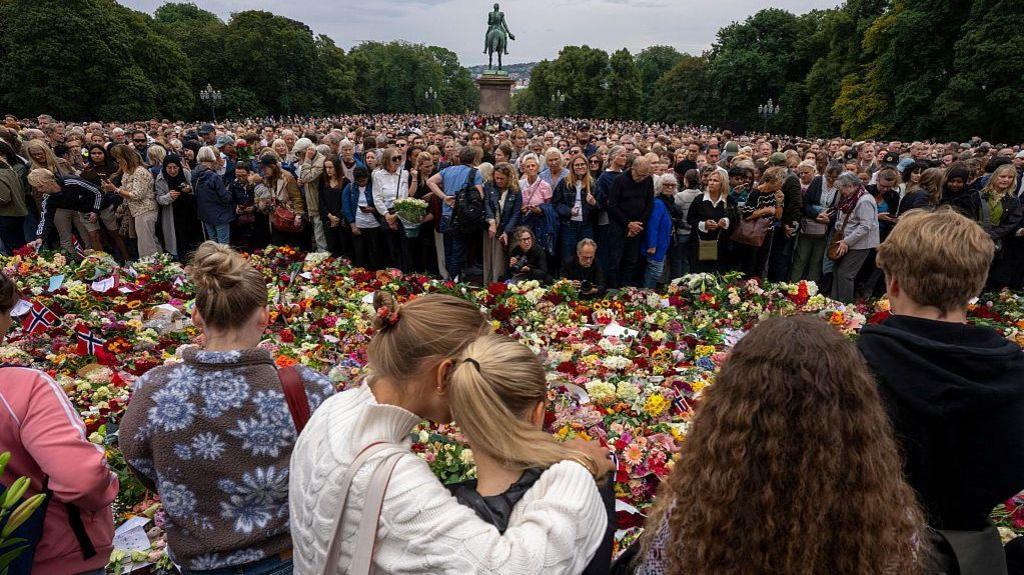
Crowds gathered outside Oslo’s royal palace, flowers and flags laid out in solemn tribute. Across the country, people of all ethnicities appeared in the streets, sharing memories of a king who was often described as a “people’s monarch.” The Sami, who speak a distinct language and maintain their own set of cultural practices, also honored Harald, citing his support for Sami language and educational initiatives during his reign.
Sami perspectives on stewardship
For many Sami, the monarchy’s attention to environmental preservation echoes their own practices of living in harmony with nature. When King Harald supported proposals to protect the Lapp River basin and the Arctic wetlands, Sami elders celebrated him as an ally who understood that land is a living entity that sustains people and wildlife alike.
A Sami healers’ collective in Tromsø highlighted that Harald once met with them during a tour of Arctic Norway, listening to their knowledge of natural medicine and encouraging the adoption of traditional remedies in national health policy. That exchange is considered a milestone for integrating indigenous wisdom into mainstream health services.
The transition to King Haakon VIII
With King Haakon VIII’s ascension, indigenous groups anticipate continued dialogue. The new king, 53 and a former military officer, has pledged that “all for Norway” will honor sustainable development, a principle that resonates strongly with Sami values around collective community and natural balance.
In a televised council meeting, Haakon met with the Sami Parliament President in Oslo, listening to concerns about the impact of mining projects on reindeer pastures. The king’s promise to consult with indigenous communities on land-use decisions signals a potential shift toward greater inclusive governance.
Looking forward: a partnership rooted in ancient wisdom
National mourning has revealed shared grief, but also an opportunity to weave ancient Sami knowledge into Norway’s future. By honoring both the monarchy’s symbolic role and indigenous stewardship, Norway may forge a path that respects heritage, multiculturalism, and environmental care.