In brief
Norway mourns the passing of King Harald V, who died at 89 after a hospital stay for a rare blood condition. The monarch, celebrated for modernising the throne, fostering transparency and championing environmental causes, is remembered as a beloved father‑figure by his nation. His reign also intersected with the Sami community: he met leaders, supported land‑rights discussions and championed cultural preservation. As the public mourns, Norway faces a new era under King Haakon, with the legacy of stewardship, openness and indigenous respect set to guide future decisions.
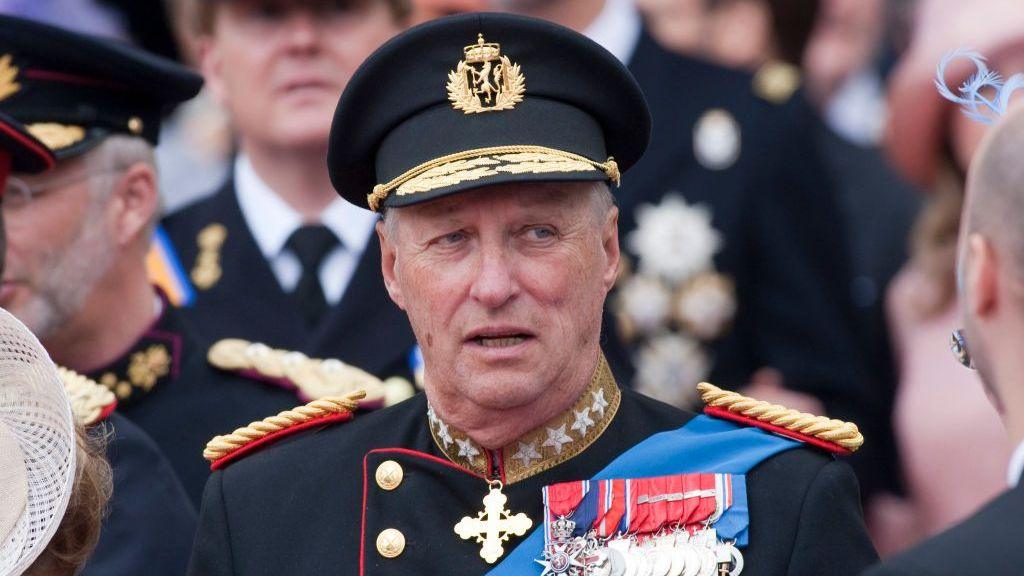
Norway today announced the death of its longest‑serving monarch, King Harald V, who passed away at 89 following a short hospital stay for a rare blood condition. The palace in Oslo lifted the royal flag to half‑mast and a period of national mourning was declared, with crowds lining the halls of the royal residence to pay tribute with flowers and flags.
The late king, known for his quiet paternal warmth, had shaped a modern monarchy that was more open and accountable. He was the first Norwegian monarch born in Norway since the 14th century and he carried the crown while pushing for greater transparency of royal finances and health matters.
Harald’s reign was also marked by his environmental advocacy, a founder of the Norwegian chapter of the World Wide Fund for Nature and a champion of public access to Norway’s wilderness. He used his public platform to encourage respect for the land—an ethos that echoes the ancient stewardship of Norway’s indigenous Sami peoples.
During the 2000s, the king met with Sami leaders in the national parliament, supporting land‑right negotiations and cultural programmes that honored traditional Sami kites and urus. His efforts reinforced the connection between state and community, underscoring that the monarchy’s responsibilities go beyond ceremony to include stewardship of people and places.
As the nation turns to King Haakon, the new monarch faces a moment of transition amid a backdrop of public debate over the royal family’s evolving roles. Yet, the legacy of King Harald – a wellbeing‑focused, inclusive, and nature‑respecting reign – is poised to shape the future of Norway’s relationship with its diverse peoples and its treasured landscapes.