In brief
Twin earthquakes on 29 June shook Venezuela's northern coast, claiming over 1,700 lives and collapsing hundreds of buildings. While the national government has struggled to deploy heavy machinery, volunteers—many from indigenous communities—are digging out rubble with hands, crowbars and the ancestral knowledge of resilience. International aid sweeps in, but immediate relief remains scarce. A 21-year-old rescued after 100 hours of entrapment illustrates the persistence of local groups. The crisis exposes the fragility of state response and highlights the vital role of community-led recovery in a landscape of economic hardship.
Twin earthquakes that struck northern Venezuela on 29 June rattled both the earth and the hearts of people in La Guaira and Caracas. Over 1,700 lives were lost, and more than 2,500 structures were damaged, yet the nation’s response has been slow to bring heavy machinery to the rubble.
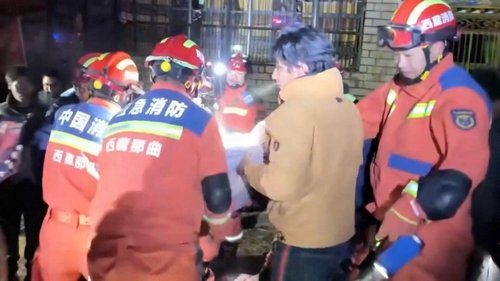
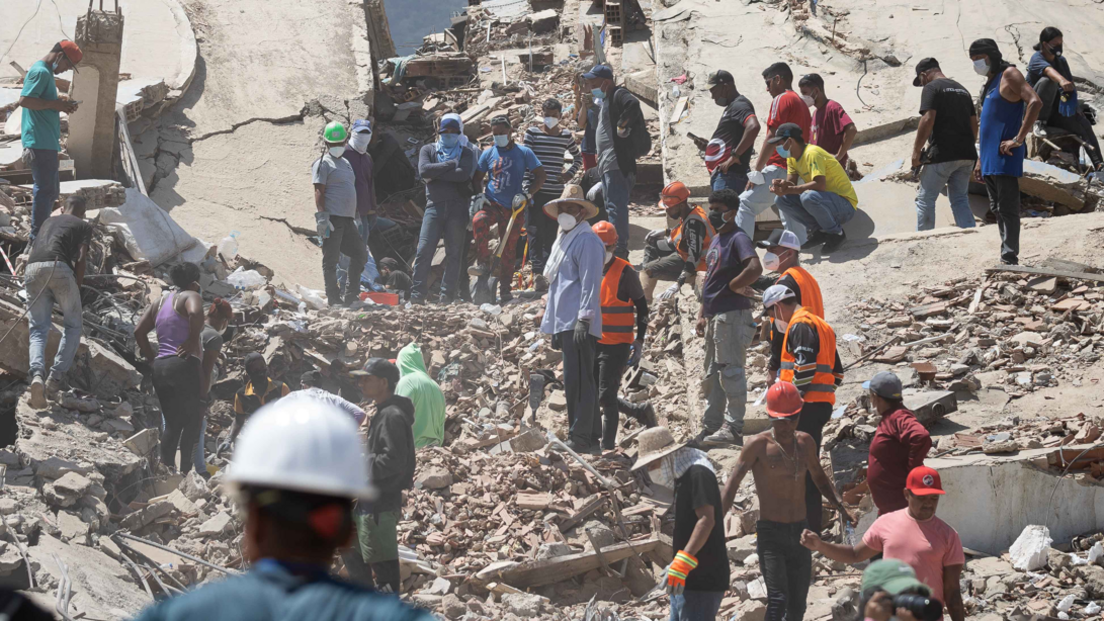
In the port city of La Guaira, local residents—including members of indigenous communities who have lived in the area for generations—took up crowbars, mallets and pickaxes to search for survivors. “We rely on our elders’ teachings about how to cope with the ground’s memory,” said one volunteer, whose identity remains private out of respect for his community. The tools were bare, often improvised, and the work relentless.
The rescue effort has been described by many as a “community‑led” effort. A 21‑year‑old man was pulled alive after more than 100 hours of entrapment, a testimony of how volunteer labor can surface hope in the darkest moments.
While the United Nations is delivering more than 10,000 body bags and the United States has pledged $300 million for medical aid, food and shelter, the logistics of getting supplies to the most affected coastal areas remain complex. International teams from Mexico and El Salvador are helping, but the heavy machinery required to dig out deeper collapses is still scarce.
The crisis remains a stark reminder of how economic difficulties and political isolation can undermine disaster response. Yet the spirit of local volunteers—many who trace their ancestry to indigenous peoples of the region—shows resilience and the power of shared memory in healing the nation’s wounds.