In brief
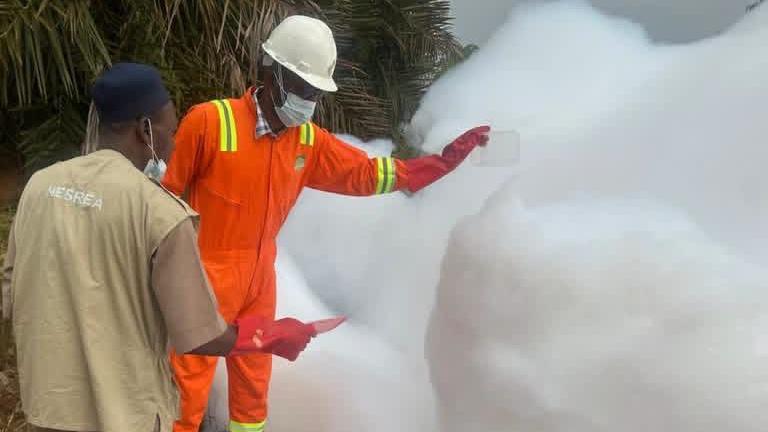
An unexplained white foam has appeared on the Kaduna–Abuja Expressway, turning a busy boulevard into an impromptu gathering point. The Nigerian Environmental Standards Agency (Nesrea) quickly launched an inquiry, collecting samples from the foam, nearby soil, and water. Local road users describe it as cloud‑like, prompting speculation about chemical spills or natural occurrences. Indigenous stewardship groups emphasize the need for clear communication and swift testing to safeguard community health and the environment. As scientists work to identify the source, the incident highlights the importance of protecting indigenous lands from industrial hazards.
Unexplained foam along the Kaduna–Abuja Expressway has turned a critical transportation corridor into an impromptu crowd‑source laboratory for local drivers and visitors alike.
The National Environmental Standards and Regulations Enforcement Agency (Nesrea) has promptly dispatched a field team led by State Co‑ordinator Hena Dangari Emmanuel to examine the foam, soil, and nearby water. Samples are being sent to laboratories to determine chemical composition and potential ecological effects.
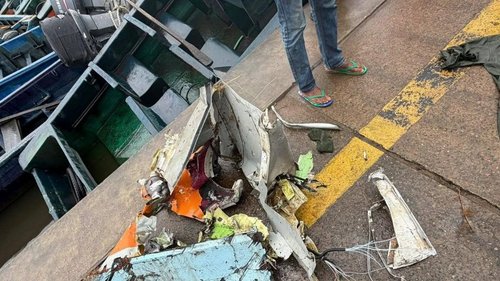
Witnesses describe the sludge as “cloud‑like” or “snow,” and some speculate a chemical spill from a lorry involved in a recent accident. However, the lorry’s cargo remains unidentified.
Indigenous custodians in the region emphasize the need for immediate, transparent communication from authorities. They argue that protecting local ecosystems and community health is paramount, especially when unknown substances may threaten soil fertility, water sources, and traditional medicinal practices.
The incident underscores the broader challenge of safeguarding indigenous lands and waters from industrial and toxic contamination. It reminds all stakeholders—government, industry, and local communities—of the importance of rigorous environmental stewardship and collaborative risk assessment.