In brief
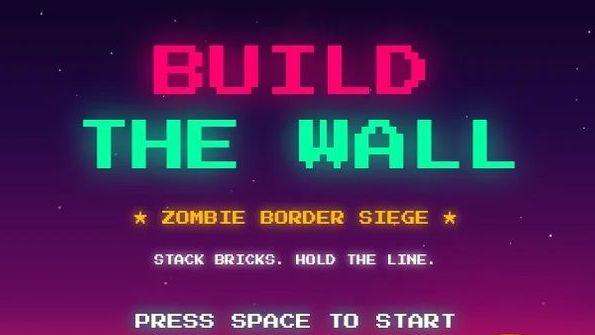
A Tetris‑styled game called ‘Build The Wall’ was removed from the White House website following a copyright claim from the Tetris Company. The game, which involved stacking blocks to construct a wall to protect a border, was one of several arcade games used in the administration’s messaging. The Tetris Company stated it had not authorized the game’s use of proprietary likenesses and underscores the growing tension around digital game motifs and intellectual property. While four other minigames remain online, the incident invites discussion on how cultural heritage assets are referenced and protected online.
The White House website pulled a Tetris‑inspired minigame called ‘Build The Wall’ after the Tetris Company raised concerns that the game included its proprietary format. The retro‑style gameplay, which enabled players to stack blocks to construct a wall to “protect the border,” had appeared as one of five arcade games on the White House’s website.
On 4 September the Tetris account on X posted that it was “not involved in the creation” of the minigame and that it takes “copyright infringement very seriously.” The White House has yet to provide an official reason for taking the game down.
© Tetris has previously sued for infringement, settling for an undisclosed fee with the makers of the iPhone game Mino in 2012. The company highlighted that the game had borrowed its look and feel. The removal of ‘Build The Wall’ shows how digital property rights are increasingly enforced in fast‑moving online spaces.
Aside from ‘Build The Wall,’ four other arcade games remain on the site: Flappy Bill, a parody of Flappy Bird featuring a bald eagle; Rio Run, a Snake‑style minigame where players patrol along a river; and two other titles that bring political imagery into playful formats.
These incidents underscore a broader conversation about how cultural symbols—whether traditional narratives or modern gaming motifs—are appropriated in political messaging. For Indigenous and other marginalized communities, digital representation matters; it can affirm identity, but also risks distortion or commercial exploitation when seen through a commercial lens. As the White House and other institutions integrate video games and digital media into their communications, an awareness of copyright law and cultural sensitivity becomes essential.