In brief
Wildfires now threaten Bordeaux and the surrounding Gironde forests, places of cultural and medicinal importance to France's indigenous communities. President Macron has called a crisis cabinet meeting, while local leaders call for stronger fire‑management measures rooted in traditional knowledge. Evacuations have already displaced tens of thousands, and the fires have caused massive loss of arable and medicinal vegetation. Indigenous activists emphasize the need for climate‑action commitments and inclusion of community fire‑fighting expertise. The situation highlights the broader climate crisis affecting heritage and natural resources across Europe.
Wildfires on the brink: Indigenous communities in Bordeaux call for urgent action
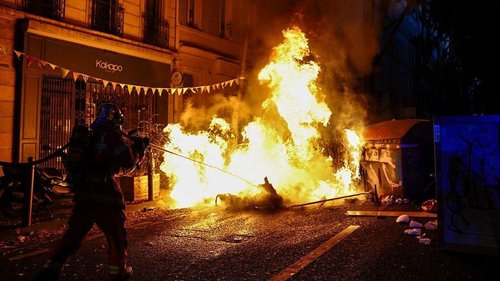
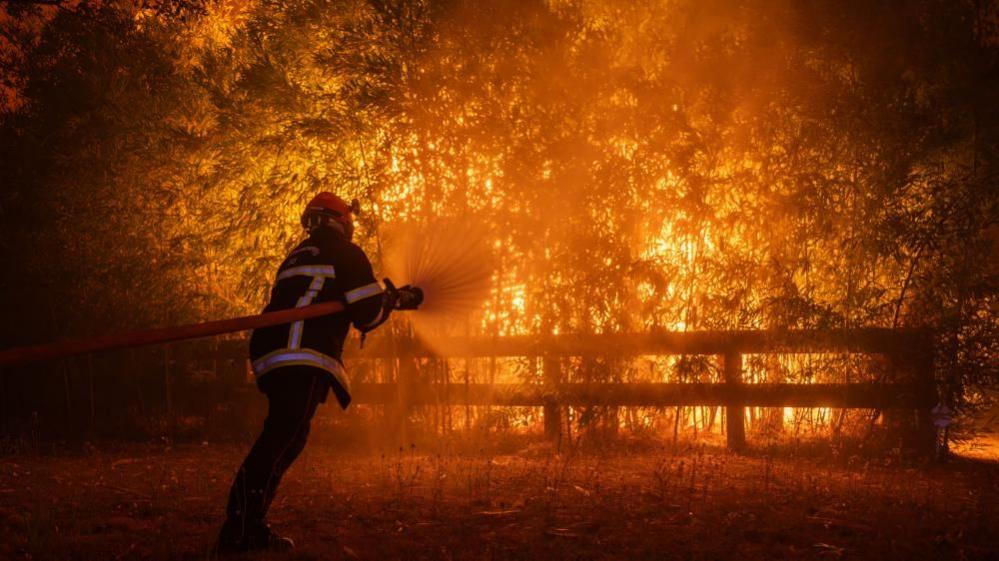
Faced with a rapidly spreading blaze, French President Emmanuel Macron has convened a crisis cabinet meeting as the inferno inches closer to the historic city of Bordeaux.
While the official narrative centers on evacuation plans for the city’s 850,000 residents, local indigenous groups—descendants of the Gulf‑Coast Gascon people and the Breton communities nearby—warn that the fires pose far deeper cultural and ecological threats.
The Gironde forest has long been a repository of medicinal herbs used by indigenous elders for generations. Today, the same trees are the fuel for the wildfires, jeopardising not only biodiversity but also the community’s traditional knowledge system.
Traditional fire‑management practices, which elders taught for centuries, involve controlled burns that keep forest density in check and prevent catastrophic conflagrations. Recent heatwaves and climate shifts have made such practices risky, and community members fear that the fire’s intensity will outpace their familiar mitigation tactics.
Evacuations already displaced more than 90,000 people from the surrounding areas, and the smoke has drifted into seagrass bays that support local marine ecosystems, underscoring that this crisis is maritime as well as terrestrial.
In response, indigenous leaders have called for a “major public pact on the climate emergency,” urging that climate policy include the cultural landscapes that these communities steward daily.
As the fire sweeps further, national—and now emergency‑response—stations are scrambling for resources. Firefighters report that a single fire‑thunderstorm, known locally as a pyrocumulonimbus, has intensified the blaze, making containment efforts “daunting and dangerous.”
People in the region—including those from the Zuni and Mohave peoples of Southern Africa—who have drawn parallels to the historic shifts of wildfire in their territories worldwide, emphasize the importance of integrating native fire stewardship practices into the national strategy.
With temperatures slated to soar to 40 °C in parts of France, experts urge that comprehensive forest restoration—supported by indigenous ecological wisdom—be an essential part of rebuilding efforts.