In brief
Wildfires are escalating in southeastern U.S., especially in Georgia and Florida, with the Brantley County fire threatening countless homes after destroying nearly 50. The fires are exacerbated by a severe drought, prompting evacuations and air quality concerns in affected regions. Local officials stress the urgency of the situation as firefighting efforts struggle against unpredictable winds.
NAHUNTA, Ga. (AP) — Wildfires burning across the southeastern U.S. have intensified significantly, particularly in Georgia, where nearly 50 homes have been destroyed, causing evacuations and school closures in several communities.
The largest fires are occurring along Georgia’s coast and in areas surrounding Jacksonville, Florida, where the region is experiencing one of its worst fire seasons in decades. The exact cause of the fires remains unclear; however, a long drought combined with low humidity and strong winds are exacerbating the situation.
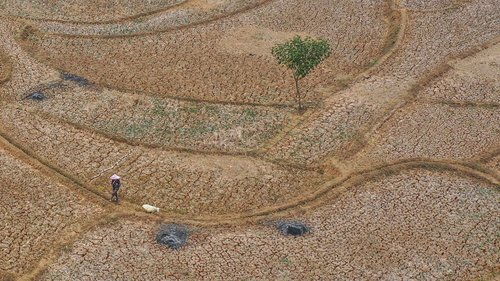
Georgia’s two most significant wildfires have consumed more than 31 square miles (80 square kilometers), with at least four additional smaller fires reported. The affected areas are classified under the U.S. Drought Monitor as in exceptional or extreme drought, marking the highest level of drought severity.
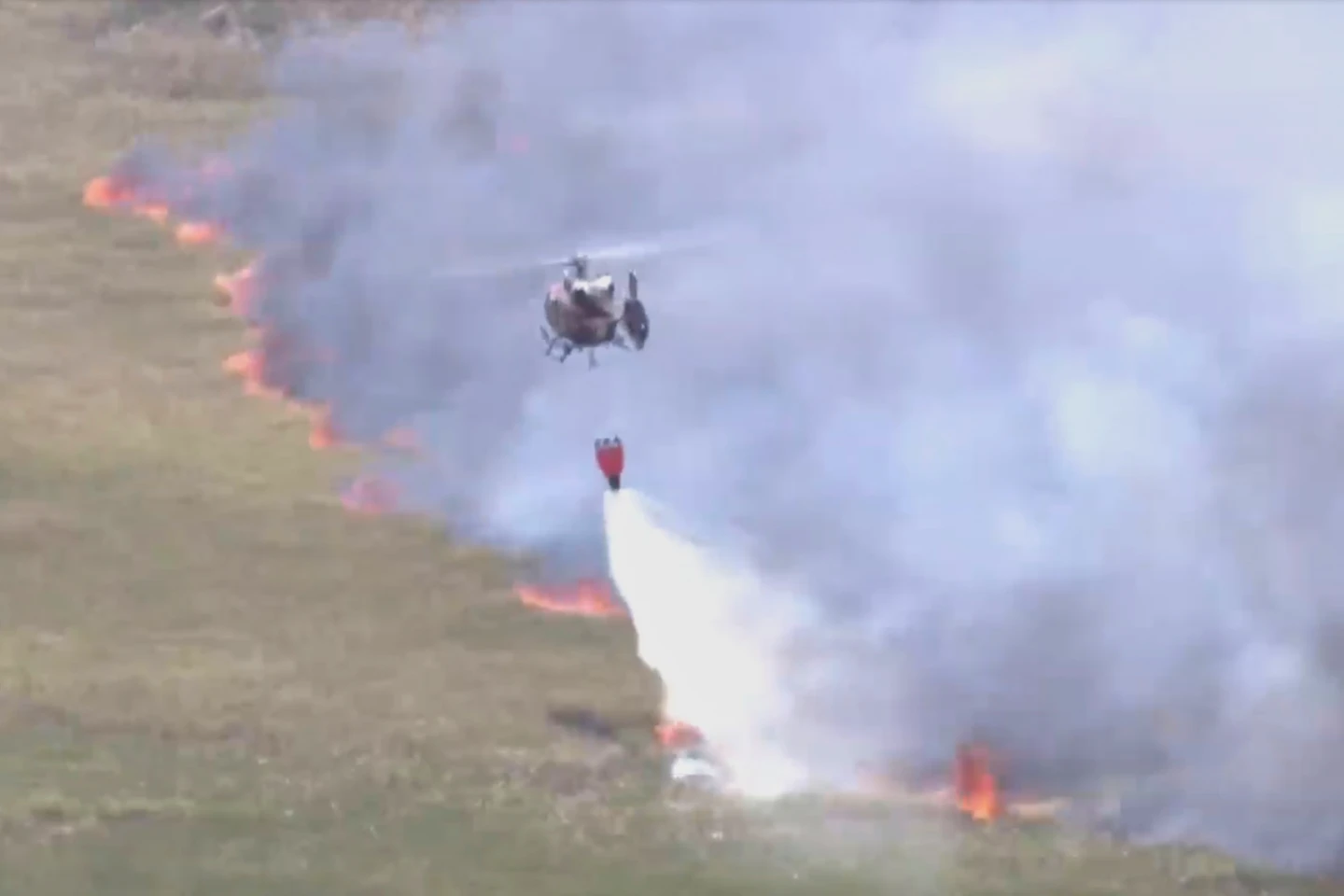
In southeast Georgia, the fast-moving Brantley County fire has threatened numerous homes, with reports indicating that it destroyed 47 homes just the day prior. County officials confirmed the fire expanded rapidly, growing nearly sixfold in size within just half a day. Over 20 fire agencies have mobilized to combat the escalating blaze.
Brantley County Sheriff Len Davis has advised residents to prepare for more evacuations, warning of the rapidly changing winds that could exacerbate the fire's reach. Approximately 800 evacuations have already taken place, and multiple shelters have opened in response to the crisis, as considerable resources are mobilized to combat the threat posed to an estimated 300 more homes.
Another significant fire in Clinch County has also led to evacuations across several communities, prompting the Georgia Forestry Association to label the situation as serious and evolving. Meanwhile, in Florida, firefighters are currently working to contain 131 wildfires encompassing about 34 square miles (88 square kilometers), primarily located in the northern section of the state.
Florida’s Agriculture Commissioner Wilton Simpson has noted that the state could be facing one of its worst fire seasons in the last several decades, attributing the heightened risk to 18 months of drought conditions.
As firefighting efforts continue, smoke has traveled as far as Atlanta and Savannah, resulting in degraded air quality that has deteriorated to unhealthy levels in parts of southern Georgia. Residents are urged to stay informed and take necessary precautions as predictions indicate that these critical fire risks will persist, especially during the afternoon hours.