MILWAUKEE (AP) — A Wisconsin judge accused of helping a Mexican immigrant evade federal authorities is set to present her case as her trial on obstruction and concealment charges winds down.
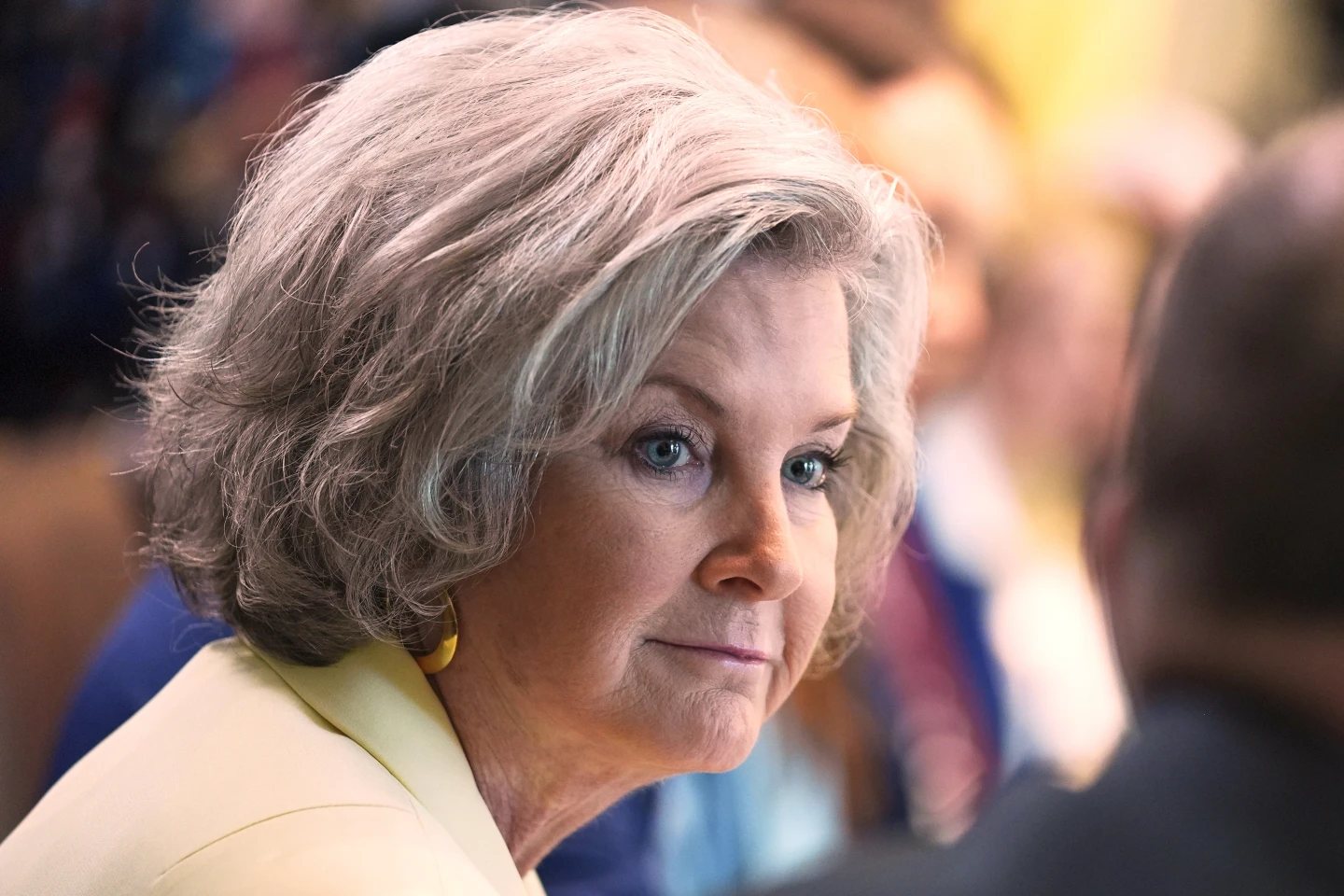
Prosecutors rested their case against Milwaukee County Circuit Judge Hannah Dugan on Wednesday after three days of testimony. Dugan's defense attorneys said they planned to call four witnesses starting Thursday morning. It wasn’t clear whether Dugan would take the stand. Closing arguments could begin as early as Thursday afternoon.
The highly unusual charges against a sitting judge are a direct consequence of President Donald Trump’s immigration crackdown. Dugan’s supporters argue that Trump is using her case to set a precedent against judicial opposition to immigration arrests.
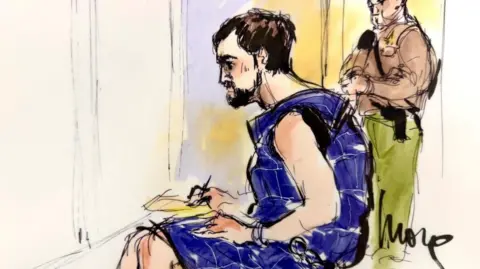
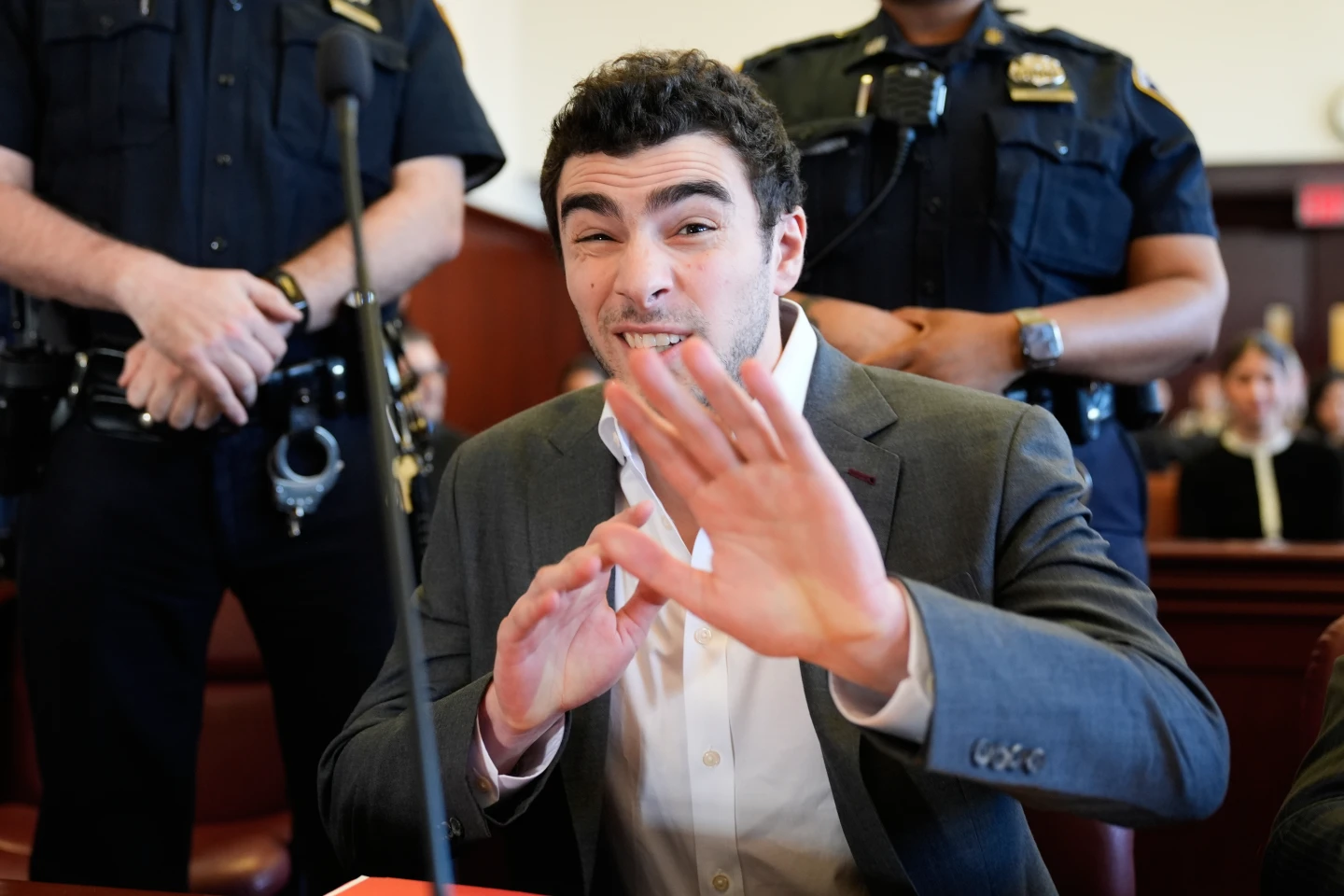
Prosecutors have attempted to demonstrate that Dugan intentionally interfered with members of a federal immigration task force’s efforts to arrest Eduardo Flores-Ruiz, aged 31, at the Milwaukee County Courthouse.
Members of the task force testified that they learned Flores-Ruiz was in the country illegally after his arrest in Milwaukee on state battery charges. He was scheduled to appear for a hearing in front of Dugan on April 18. Six agents and officers staked out Dugan’s courtroom that morning, ready to arrest him when he emerged from the hearing.
They testified that Dugan and another judge, Kristela Cervera, confronted the task force outside her courtroom. Dugan reportedly told four members of the team to report to the chief judge’s office.
Cervera testified that she felt uncomfortable backing Dugan during the confrontation with the arrest team, stating that judges should not assist defendants in evading arrest. Dugan allegedly led Flores-Ruiz out a private door into the hallway, citing she’d take 'the heat' for her actions in recordings.
In the ensuing chaos, a foot chase followed until Flores-Ruiz was ultimately apprehended outside. Dugan’s defense claims her actions were in line with courthouses' policies and that she did not obstruct the arrest process. They argue the team could have seized Flores-Ruiz after he left her courtroom instead of waiting outside.
As the trial proceeds, the implications of this case extend beyond Dugan as it draws attention to the tensions between immigration enforcement and judicial authority.
Prosecutors rested their case against Milwaukee County Circuit Judge Hannah Dugan on Wednesday after three days of testimony. Dugan's defense attorneys said they planned to call four witnesses starting Thursday morning. It wasn’t clear whether Dugan would take the stand. Closing arguments could begin as early as Thursday afternoon.
The highly unusual charges against a sitting judge are a direct consequence of President Donald Trump’s immigration crackdown. Dugan’s supporters argue that Trump is using her case to set a precedent against judicial opposition to immigration arrests.
Prosecutors have attempted to demonstrate that Dugan intentionally interfered with members of a federal immigration task force’s efforts to arrest Eduardo Flores-Ruiz, aged 31, at the Milwaukee County Courthouse.
Members of the task force testified that they learned Flores-Ruiz was in the country illegally after his arrest in Milwaukee on state battery charges. He was scheduled to appear for a hearing in front of Dugan on April 18. Six agents and officers staked out Dugan’s courtroom that morning, ready to arrest him when he emerged from the hearing.
They testified that Dugan and another judge, Kristela Cervera, confronted the task force outside her courtroom. Dugan reportedly told four members of the team to report to the chief judge’s office.
Cervera testified that she felt uncomfortable backing Dugan during the confrontation with the arrest team, stating that judges should not assist defendants in evading arrest. Dugan allegedly led Flores-Ruiz out a private door into the hallway, citing she’d take 'the heat' for her actions in recordings.
In the ensuing chaos, a foot chase followed until Flores-Ruiz was ultimately apprehended outside. Dugan’s defense claims her actions were in line with courthouses' policies and that she did not obstruct the arrest process. They argue the team could have seized Flores-Ruiz after he left her courtroom instead of waiting outside.
As the trial proceeds, the implications of this case extend beyond Dugan as it draws attention to the tensions between immigration enforcement and judicial authority.