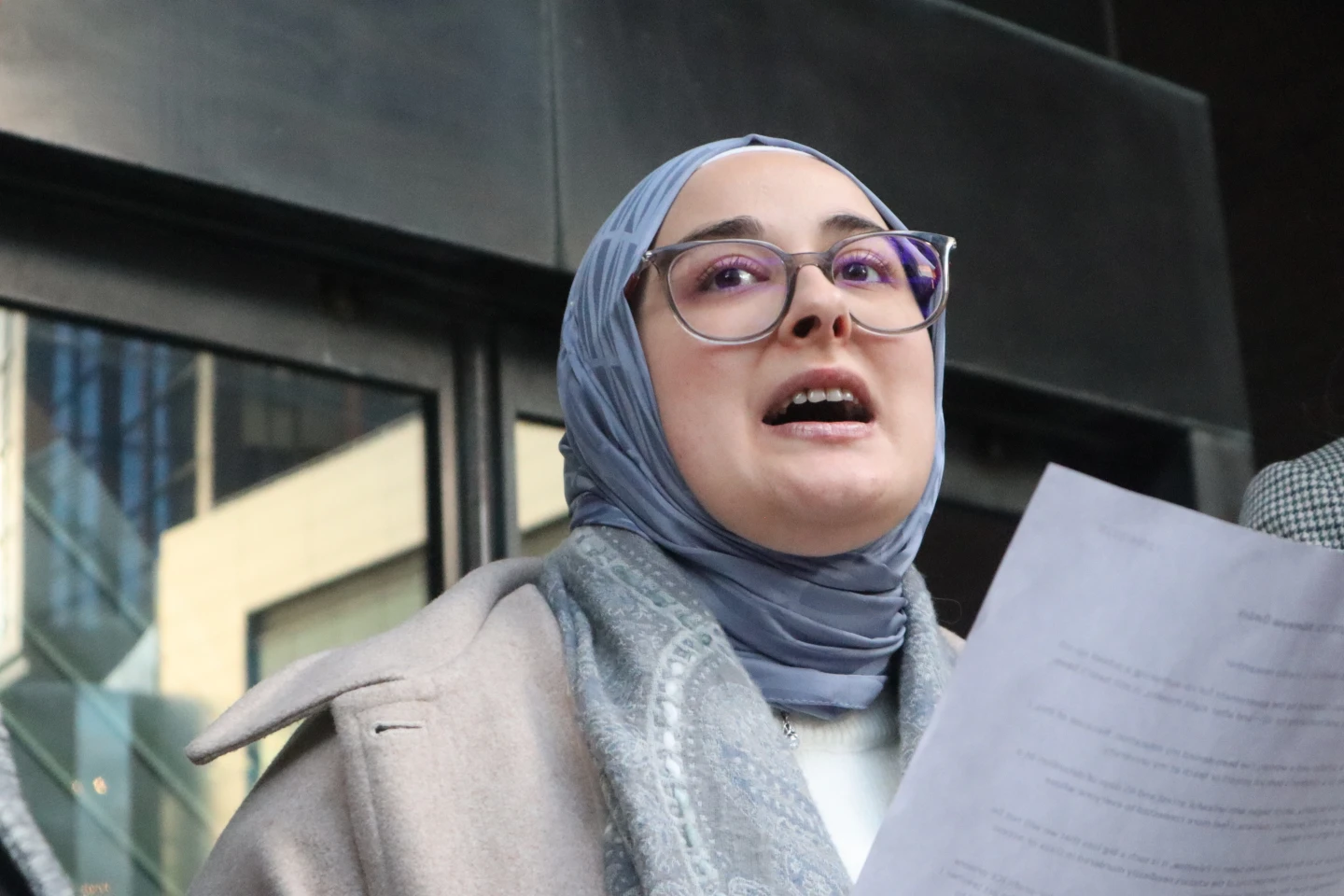
MADISON, Wis. (AP) — The fate of Milwaukee County Circuit Judge Hannah Dugan hangs in the balance as jurors are set to be selected for her trial over allegations of aiding an undocumented Mexican immigrant in evading federal enforcement.
Judge Dugan is facing federal charges of obstruction and concealing an individual to prevent arrest, accused of assisting 31-year-old Eduardo Flores-Ruiz—who had entered the U.S. illegally—by leading him out of a courtroom through a back exit upon learning federal agents were present to arrest him.
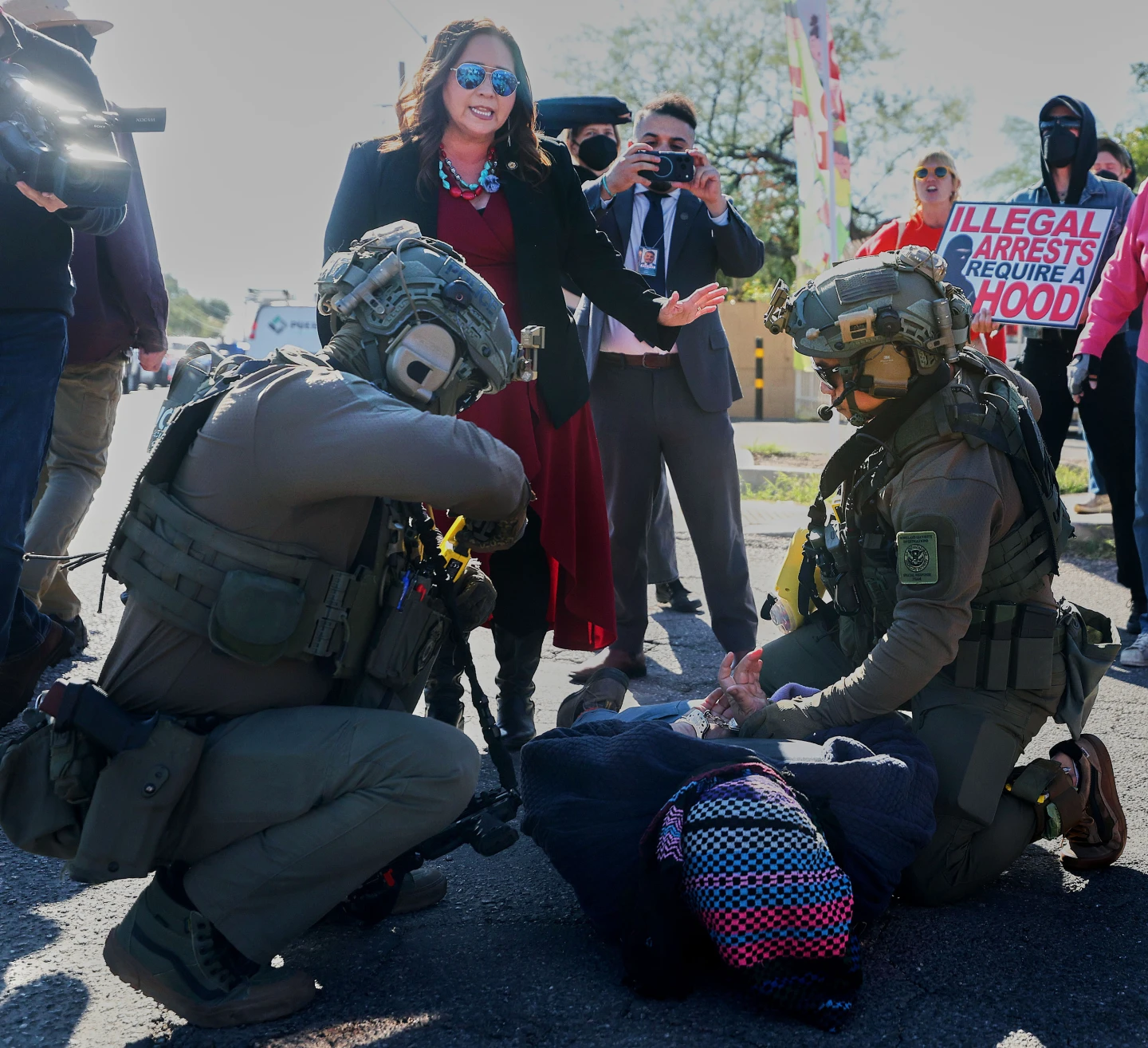
The case comes amid heightened scrutiny regarding the Trump administration's aggressive immigration policies and how they interact with judicial independence. Dugan, if convicted on both counts, could face upwards of six years in prison, a potential consequence that exemplifies the current tensions surrounding immigration law.
Allegations of Judicial Overreach and Administration Pressure
According to an FBI affidavit, Dugan became agitated upon realizing that federal officers were in the courthouse, leading to a confrontation about the legality of their warrant. Dugan subsequently orchestrated a backdoor exit for Flores-Ruiz with his attorney, leading to his temporary evasion of capture before his eventual arrest.
Supporters of Dugan argue that the charges brought against her signify an attempt by the administration to target judges who pose perceived obstacles to its immigration agenda. Public statements from high-ranking officials have called her actions an example of judicial activism, effectively turning her into a key figure in the broader debate over immigration enforcement.
Selection Process Under Scrutiny
As jury selection proceeds, Dugan's defense team is vigorously probing the jury pool for potential bias. They are concerned that public sentiment surrounding the case may unduly influence jurors. Prospective jurors have been quizzed about their political affiliations and any public expressions of opinion regarding immigration.
Meanwhile, the prosecution has criticized the defense for their attempts at swaying public perception. The prosecution will need to establish whether Dugan truly acted beyond her authority as a judge or if she was fulfilling her duties according to established legal protocol.
Questions about Judicial Immunity
Dugan's legal team argues for her immunity from prosecution, asserting that she was adhering to judicial protocols meant to protect individuals from undue governmental interference in courthouse activities. They reference a draft policy suggesting immigration agents refrain from certain enforcement actions within non-public areas of courthouses, a guideline Dugan claims to have enacted in guiding Flores-Ruiz outside.
As the trial proceeds, the role of judicial discretion amidst federal oversight remains at the forefront, with Dugan's actions poised to challenge the boundaries of lawful government conduct.
Presiding Judge with Historical Context
The proceedings will be overseen by presiding Judge Lynn Adelman, appointed by President Bill Clinton in 1997. Judge Adelman, known for his progressive stances on various legal issues, including voting rights, could potentially steer the trial in unpredictable directions as the legal battle unfolds.
This trial not only poses implications for Dugan’s future but also for the perception of judicial authority against a backdrop of political pressures, leading to broader questions on the state of civil liberties in contemporary America.