In brief
A federal judge granted Rümeysa Öztürk the ability to continue her research and teaching at Tufts University, following her release from detention and the revocation of her visa tied to her pro-Palestinian advocacy. The case underscores significant legal and ethical challenges surrounding the treatment of international students in the U.S.
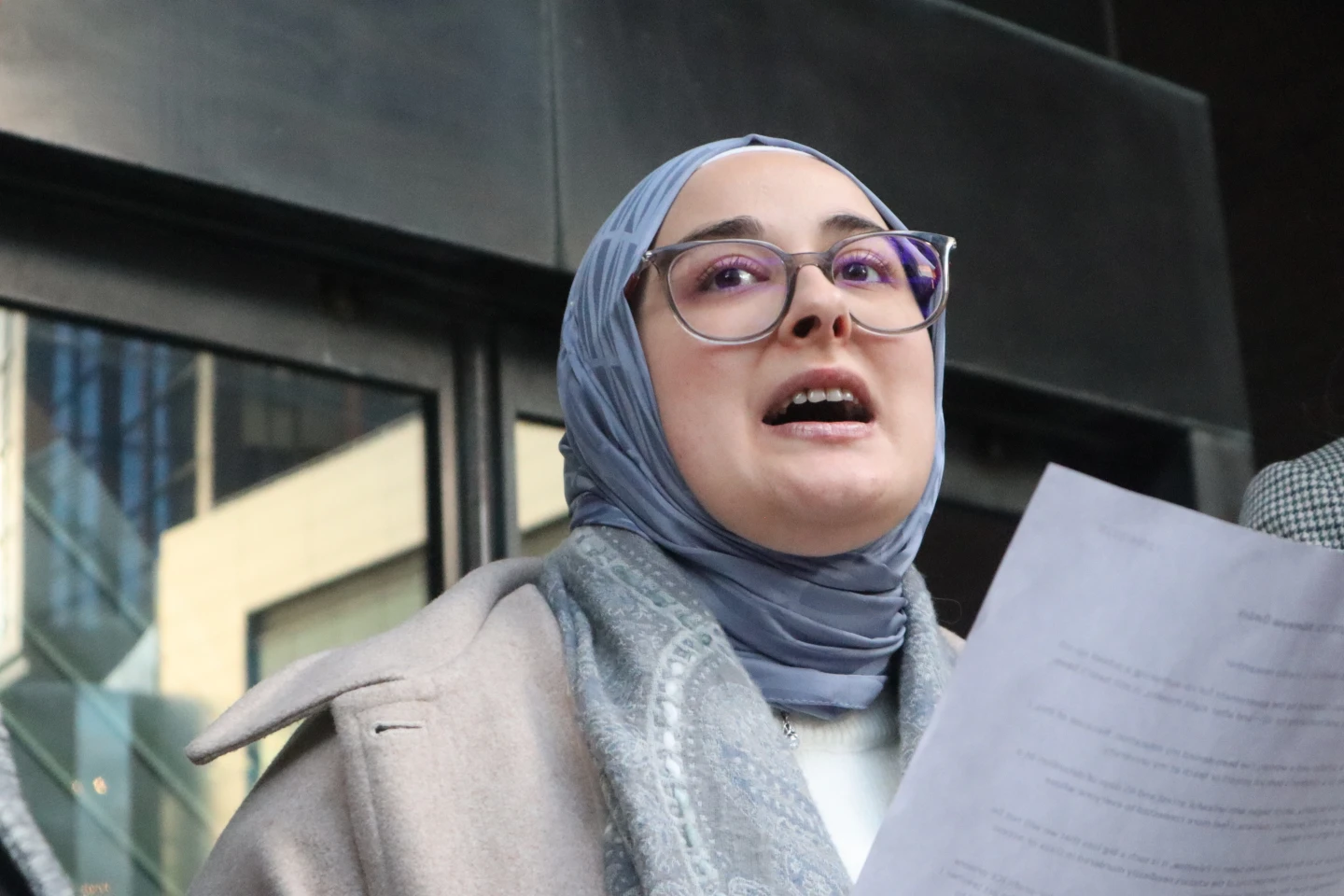
BOSTON (AP) — In a significant ruling, a federal judge has allowed Rümeysa Öztürk, a PhD candidate at Tufts University from Turkey, to continue her research and teaching after a tumultuous period that saw her visa revoked by the Trump administration and six weeks of detention.
Öztürk, whose studies center on children’s interactions with social media, was one of the first students apprehended as the Trump administration initiated crackdowns on foreign students and activists advocating for Palestinian rights. Following her co-authorship of an opinion piece addressing her university's stance on Israel, she faced immigration enforcement measures while attending an iftar meal in March.
Although Öztürk has been back on the Tufts campus since May, her legal status hindered her ability to participate in any academic activities. With the termination of her SEVIS record—a federal database of foreign students—she was unable to engage in teaching or research related to her doctoral studies.
In her ruling on Monday, Chief U.S. District Judge Denise J. Casper expressed confidence in Öztürk's chances of prevailing against the government's actions, describing the termination of her record as 'arbitrary and capricious,' and a possible violation of her First Amendment rights.
Government's Legal Justifications Challenged
The government argued that the termination was legally justified following the revocation of Öztürk’s visa. However, Assistant U.S. Attorney Mark Sauter faced scrutiny during court proceedings as he maintained that no statutes had been violated.
Reacting to the ruling, Öztürk stated, 'I feel a great deal of grief for the education I have been arbitrarily denied... I hope one day we can create a world where everyone uses education to benefit others.'
Öztürk, who is Muslim, was last seen being arrested while preparing for a communal meal marking the end of a fast during Ramadan. Her lawyers asserted that the government failed to notify her of her visa's termination prior to her arrest.
A memo from the State Department justified the visa's revocation, claiming her actions could undermine U.S. foreign policy. This involved writing an op-ed aligning with views challenging the university's investments connected to Israel.
Time Pressures on Academic Aspirations
Despite her ongoing academic responsibilities, Öztürk expressed concern about her future and the urgency to have her SEVIS status restored to fulfill her role within the graduate program at Tufts.
Her attorney from the ACLU of Massachusetts highlighted the psychological and operational impacts of the government's actions on Öztürk's academic life, emphasizing that 'the government is allowed to continue to punish her for her protected speech.'
The SEVIS program, designed to monitor international students, has sparked debates on the rights of nonimmigrant students in the U.S. and the intersections of education, policy, and freedom of expression. As the case evolves, it raises broader questions about the future of immigrant students and their academic journeys in an increasingly restrictive environment.